As the U.S. faces a critical juncture in the implementation of the Foreign Intelligence Surveillance Act (FISA), the intersection of legislative battles and evolving national security demands has become increasingly volatile. FISA, enacted in 1977, remains a cornerstone of U.S. intelligence operations, designed to balance privacy protections with the need for robust surveillance capabilities. However, recent political maneuvers have exposed deep fissures within Congress, particularly among Republicans and Democrats, as the 2026 FISA renewal process unfolds.
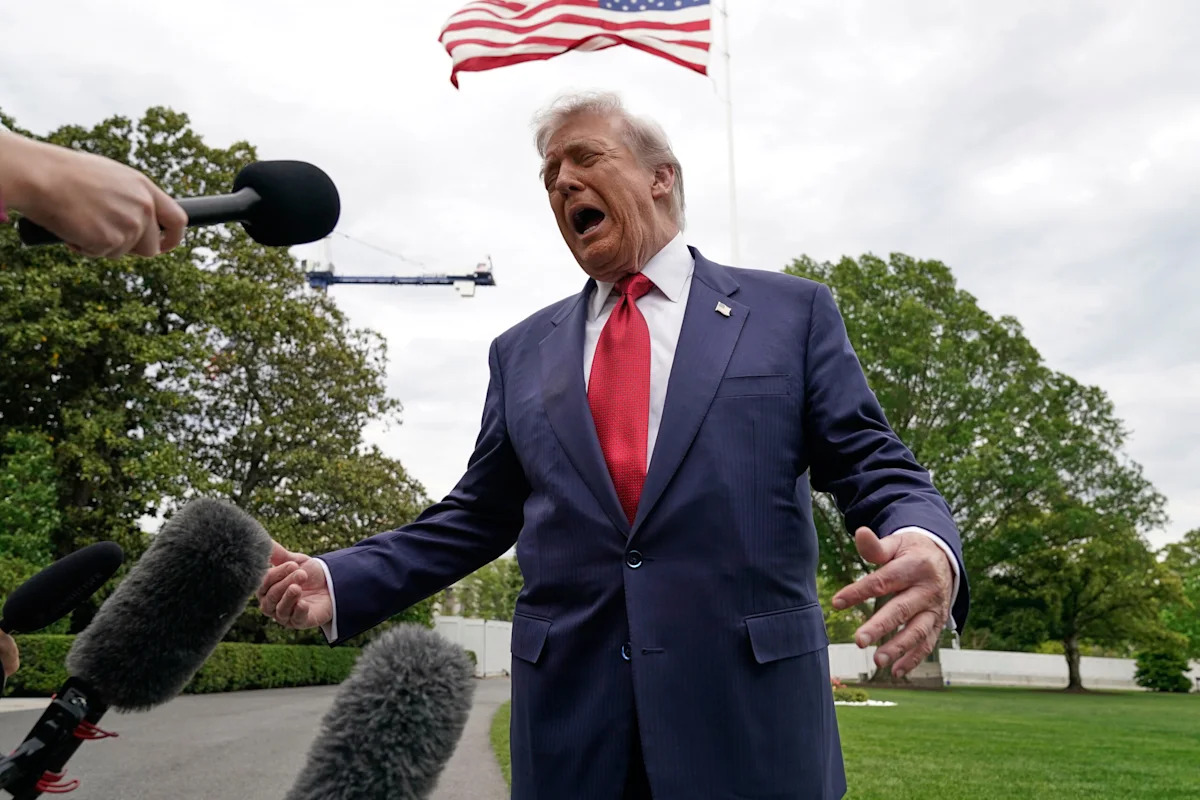
On April 15, 2026, a notable shift in the FISA renewal process occurred when Mike Johnson, the House Republican leader, delayed the vote on the critical legislation following a conservative backlash. This move has sent ripples through the political landscape, signaling growing tensions within the GOP over the scope and implications of FISA. The delay, coupled with Donald Trump’s last-minute plea for unity among Republicans on a key surveillance powers vote, highlights the complex dynamics shaping modern surveillance law.
How has FISA evolved from its original intent to today’s political battleground?
Initially designed to address gaps in intelligence gathering, FISA has undergone multiple amendments to adapt to changing geopolitical contexts. The 1977 act established the Foreign Intelligence Surveillance Court (FISC), which operates independently to review surveillance requests, ensuring compliance with constitutional privacy rights. Over time, the law has been adjusted to accommodate new threats, such as cyber espionage and data localization requirements. However, recent political interference has led to a significant erosion of the original intent, as seen in the 2026 FISA renewal process.
The 2026 FISA renewal process has become a flashpoint for ideological clashes, with conservative members arguing that the law lacks sufficient oversight mechanisms, while progressive factions advocate for stronger protections against government overreach. This divergence has resulted in a fragmented approach to FISA implementation, with the House Republican leadership now facing pressure to reconcile competing priorities.
- Conservative opposition to FISA renewal claims the law enables unchecked surveillance by the government, particularly targeting civil liberties and privacy.
- Pro-surveillance factions argue that FISA is essential for national security and that its renewal is necessary to counter emerging threats.
- International implications of FISA have expanded beyond domestic concerns, as global data flows and cross-border intelligence operations increasingly require updated frameworks.
Amidst these challenges, the role of FISC has become critical. As the court remains independent, it is tasked with reviewing each surveillance request, ensuring compliance with the law. However, political interference in the FISA renewal process has created uncertainty about the future of this vital oversight mechanism.
The 2026 FISA renewal vote, now under review by the House and Senate, represents a pivotal moment for U.S. intelligence law. With the GOP’s internal divisions and the increasing reliance on FISA for national security operations, the outcome of this vote could have far-reaching implications for both domestic and international intelligence operations.
What does the future hold for FISA and U.S. surveillance law?
Looking ahead, the FISA renewal process will likely face further challenges as the political landscape continues to evolve. The growing influence of technology, particularly in the realm of data privacy and digital surveillance, will require continuous adaptation of FISA to address emerging threats. Additionally, the role of international partnerships in intelligence gathering will demand a more flexible framework that balances national security with privacy protections.
As the 2026 FISA renewal vote unfolds, stakeholders across the political spectrum must recognize the critical importance of maintaining a robust and transparent surveillance framework. The outcome of this vote will set the stage for the next decade of U.S. intelligence operations and underscore the ongoing tension between privacy and security.