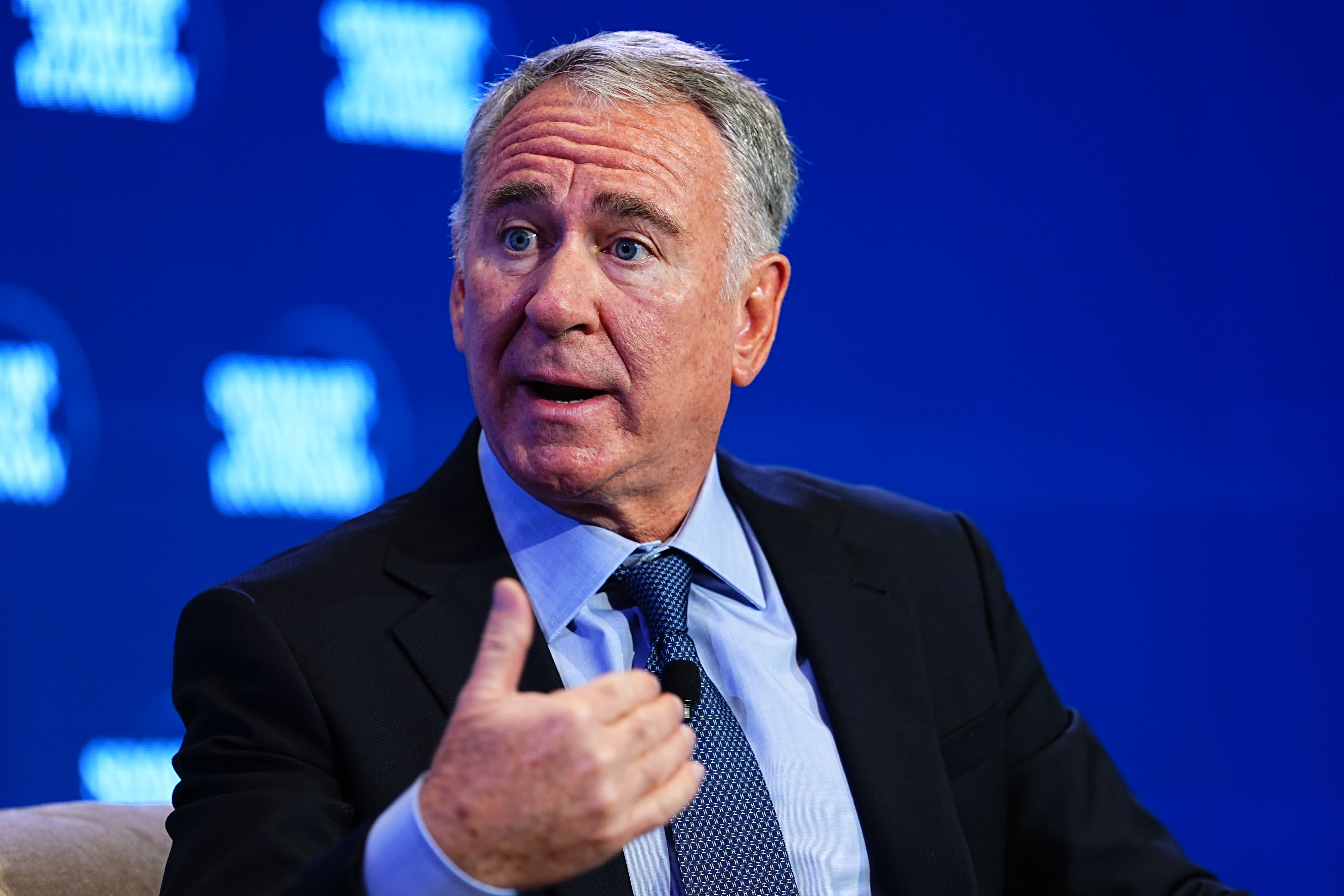
Ken Griffin, head of Citadel Securities and a prominent figure in global finance, has issued a stark warning about the potential economic consequences of a prolonged closure of the Strait of Hormuz. In a recent analysis, Griffin emphasized that a shutdown of this critical oil transit route could lead to an immediate global recession within six to 12 months.
Griffin’s comments come amid heightened geopolitical tensions, particularly the ongoing conflict in the Middle East. The Strait of Hormuz, which accounts for nearly 20% of the world's oil supply, is a vital corridor for oil transportation. Any disruption here would ripple through global markets, affecting everything from energy prices to industrial production.
What Would Happen If the Strait of Hormuz Closes?
Under such a scenario, global oil prices could surge by 50% or more, triggering a chain reaction of economic instability. Financial markets would react unpredictably, with stock indices potentially falling by 10-15% in the short term. This would be compounded by supply chain disruptions and reduced consumer spending.
- Immediate impact on oil prices: A 50% price spike could lead to panic selling in energy stocks
- Global supply chain breakdown: Critical components like semiconductors and metals would face shortages
- Reduced industrial output: Factories would shut down as fuel costs rise
Griffin, known for his innovative approaches to risk management, has highlighted that the world is not prepared for such a scenario. The current economic framework assumes continuous access to energy, but a shutdown of the Strait would force a fundamental shift in how economies operate.
Interestingly, Qatar has recently warned of 'huge' economic fallout from potential regional conflicts. The country, which relies heavily on oil exports, is particularly vulnerable to disruptions in the region. With over 70% of its oil exports passing through the Strait, Qatar’s economic stability is directly tied to this corridor.
Griffin’s analysis aligns with historical precedents. During the 1991 Gulf War, the Strait was temporarily closed, leading to a 20% drop in global oil prices and a subsequent 3-4 month economic slowdown. However, the scale of today’s interconnected markets is far more complex.
Unlike past crises, today’s global economy is more fragile due to increased reliance on digital infrastructure and global supply chains. A single point of failure like the Strait could have far-reaching consequences beyond just oil prices.
Griffin’s warning serves as a reminder that the world’s economic resilience is heavily dependent on the stability of critical infrastructure. As the conflict in the Middle East continues to escalate, the risk of a Strait of Hormuz shutdown increases, making his predictions more urgent.