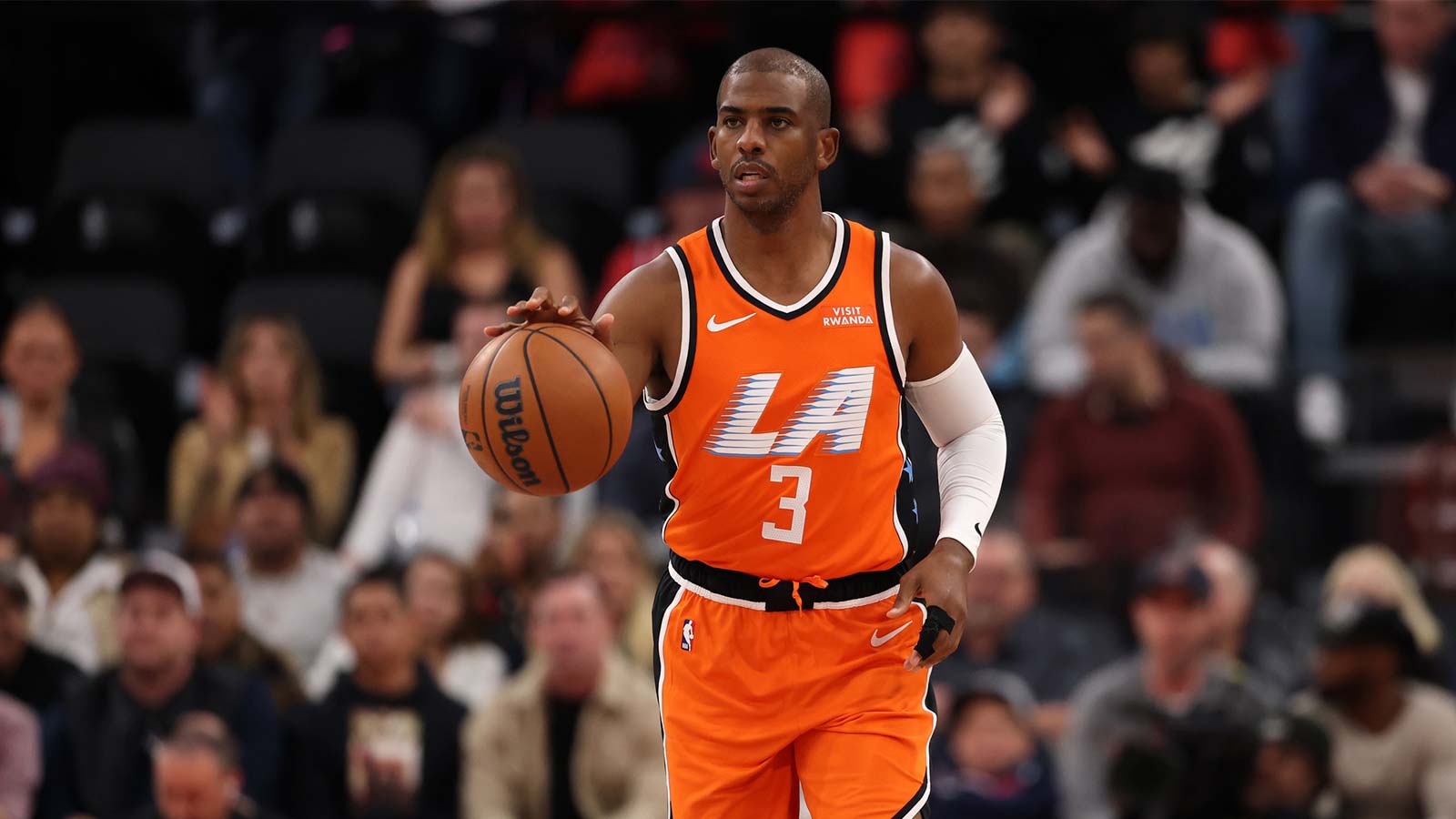
Chris Paul’s recent actions following the Los Angeles Clippers’ Play-In Tournament collapse against the Golden State Warriors have sparked intense discussion about his relationship with the franchise and the broader implications for his legacy. The Clippers’ abrupt exit from the Play-In Tournament—a result of a dramatic loss to the Warriors—has left fans and analysts questioning the future of a player who has long been synonymous with resilience and clutch performance.
Did Chris Paul’s Play-In Collapse Signal an End to His Clippers Era?
The Clippers’ Play-In loss was not just a tactical misstep but a symbolic turning point. With the team having led until the final moments of the game, Chris Paul’s reaction—dancing on what appears to be a ‘Clippers’ grave’—has become a viral meme. This gesture, captured by fans and shared widely, suggests a deep personal connection to the team’s downfall, highlighting a nuanced tension between his on-court dominance and off-court identity.
For years, Chris Paul has been the heartbeat of the Clippers, but this season’s collapse has revealed a more complex narrative. Unlike his previous stints with the Clippers, this time his absence isn’t just a personal choice but a direct consequence of the team’s failure to adapt to the evolving landscape of modern basketball. His mockery of the Clippers’ performance in the Play-In Tournament further underscores a shift in his public persona, moving from a team-centric player to an individual who is no longer bound by the same expectations.
- Play-In Tournament: A critical stage in the NBA’s playoff structure, now used by teams that miss the first round to secure a spot in the main playoffs.
- Clippers’ Collapse: The Clippers’ failure to maintain a consistent lead throughout the Play-In Tournament game against the Warriors, resulting in a dramatic loss.
- Chris Paul’s Meme: His viral dance gesture, interpreted by fans as a symbolic farewell to the Clippers, signaling his emotional detachment from the team.
This moment isn’t just about the Play-In loss—it’s about the broader context of Chris Paul’s career, which has been marked by constant reinvention. From his early days with the Clippers to his current status as a free agent, Chris Paul has always been a player who thrives on adapting to new challenges. His reaction to the Play-In loss shows that he’s not just responding to the outcome but to the larger narrative of his relationship with the Clippers.
Analysts have noted that this incident reflects a growing trend of players using social media to express their personal frustrations with teams. Chris Paul’s actions align with a pattern seen in other athletes who have faced similar situations, such as LeBron James’ public comments on the Miami Heat’s struggles. The difference, however, is that Chris Paul’s actions are more overtly symbolic, turning a simple loss into a cultural moment.
As the NBA continues to evolve, Chris Paul’s response to the Play-In loss highlights the importance of understanding the emotional intelligence of athletes. His ability to turn a personal setback into a moment of public commentary demonstrates a level of self-awareness that is rare in the sport. This moment could redefine how we view the intersection of sports and social media in the 21st century.