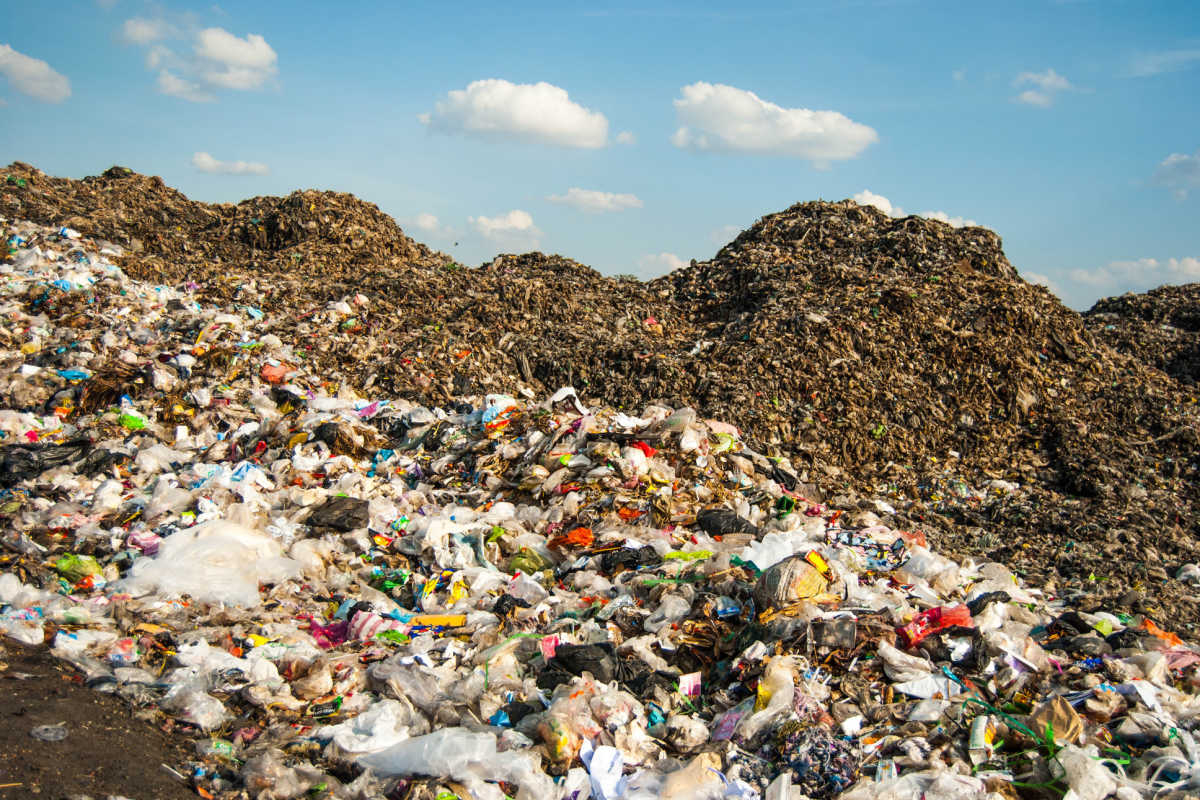
As the sun rises over Bali, a peculiar phenomenon has captured attention across the island: thick, unnatural smoke drifting over the popular tourist destinations of Canggu and Uluwatu. While many assume this smoke stems from volcanic activity—a common misconception given Bali's proximity to active volcanoes—recent investigations reveal a far more mundane, yet urgent, source. This isn't volcanic ash; it's the aftermath of a growing crisis in waste management that's rapidly escalating across the island.
For over a decade, Bali has faced a mounting challenge with its waste crisis, particularly since the government implemented a ban on organic waste in landfills starting April 12. The decision, aimed at reducing pollution and improving landfill efficiency, inadvertently triggered a sharp rise in illegal waste burning. With nearly two-thirds of Bali's waste composed of organic materials like food scraps and garden waste, this ban left many communities, especially in rural areas, without a clear alternative. The result? Open-air burning of trash, including plastics and non-biodegradable materials, now dominating the landscape of Bali’s most visited regions.
Local authorities have confirmed that the smoke observed near Canggu and Uluwatu is directly linked to residents' efforts to manage waste following the landfill ban. This practice, though common in many parts of Southeast Asia, is increasingly dangerous due to the toxic fumes released when plastic and other materials burn. These emissions contain harmful chemicals like dioxins and benzene, which can cause respiratory issues and long-term health problems for both locals and tourists.
Why is this crisis happening now?
The immediate trigger for this crisis is the landfill ban. The government’s decision to stop accepting organic waste at the Suwung landfill—a facility that previously handled about two-thirds of Bali’s total waste—has forced communities to seek alternatives. While the ban was intended to protect the environment, it has created a vacuum in waste management infrastructure, leaving many without a viable solution.
- Residents now burn trash in open-air areas to prevent waste from piling up.
- Local authorities have deployed police to monitor the illegal burning sites, particularly in the largest open landfill.
- Health risks from the smoke include respiratory issues, especially for children and vulnerable groups.
According to the Bloomberg report, this situation has become a critical issue for both locals and tourists. The smoke is visible across the island, affecting even remote areas like Uluwatu, which is known for its stunning cliffs and iconic sunsets.
As the crisis unfolds, the government is working to address the issue by expanding waste collection services and promoting better disposal methods. However, without immediate action, the situation could worsen, particularly as tourism continues to thrive in Bali.