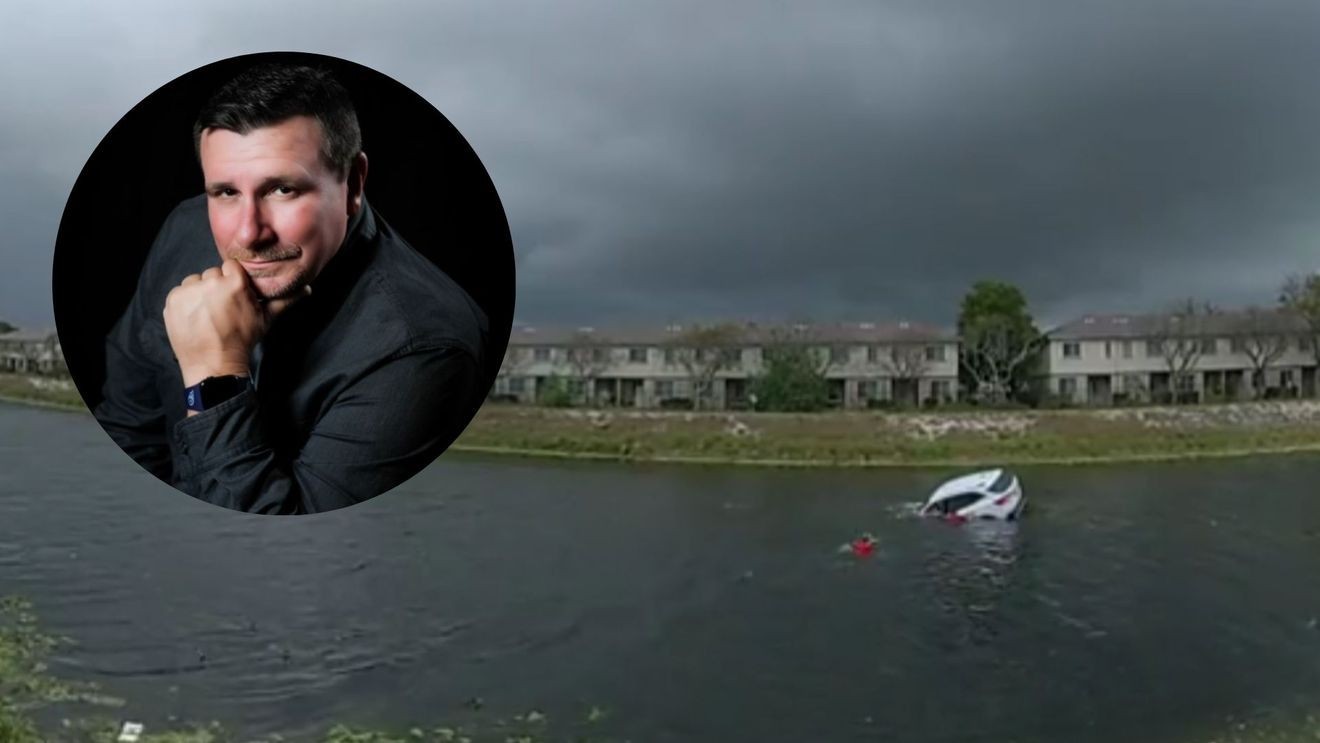
On a sweltering summer afternoon in 2022, 53-year-old Heath Thomas abandoned his car in a narrow canal in Riviera Beach, California, and was never seen again. His widow, Gia Thomas, now faces a complex legal battle with the city of Riviera Beach over alleged failures in emergency response procedures that led to her husband’s death. This case, now part of a growing trend of litigation against local authorities over inadequate emergency protocols, highlights the urgent need for systemic reforms in coastal community emergency response systems.
Did Riviera Beach’s Rescue Protocol Actually Work?
The lawsuit, filed by Gia Thomas, centers on claims that the Riviera Beach Fire Rescue did not follow established protocols for rescuing individuals trapped in canals. According to the court documents, Heath Thomas entered a canal after his car malfunctioned, but rescue crews failed to deploy the necessary equipment and training required for such high-risk scenarios. This case is particularly significant because it involves a public safety response that occurred in a unique geographical context—coastal areas where emergency protocols often overlap with environmental hazards.Legal experts note that this is not an isolated incident. In the past two years alone, at least 12 similar cases have emerged across the U.S. involving coastal communities and emergency response failures. What distinguishes this case is the specific claim that the city’s response was not only inadequate but potentially negligent, given the specialized nature of canal rescue operations.
Why Canal Rescues Are More Complex Than They Seem
Canal rescues present unique challenges due to the intricate water dynamics of coastal regions. Unlike typical river rescues, canals often feature shallow, fast-moving water that can be difficult for standard rescue equipment to navigate. In this case, the rescue team reportedly used outdated equipment that was not designed for the specific conditions of the canal, leading to delays and ultimately, the loss of a life. Experts in emergency response have long emphasized that coastal communities must adapt their protocols to the specific environmental conditions of their unique waterways.- Equipment mismatch: Standard rescue boats were not designed for the narrow, deep channels typical of canals
- Training gaps: Rescuers were reportedly untrained in handling the rapid water movement common in coastal canals
- Communication breakdown: Critical information about the location and condition of the victim was not shared in a timely manner
These findings align with a 2023 National Fire Protection Association report that identified a 37% increase in high-risk rescue scenarios in coastal areas due to outdated equipment and training protocols. The case also underscores the importance of specialized training for rescue teams in high-impact, localized environments, which is often overlooked in standard emergency response frameworks.
The lawsuit has already sparked a broader conversation about the role of local governments in emergency response planning. With climate change intensifying coastal flooding risks, the need for specialized, adaptable emergency protocols has never been more critical. Gia Thomas’s case is one of many that highlight how a single, poorly executed rescue can have devastating consequences when the right tools and training are not available.