

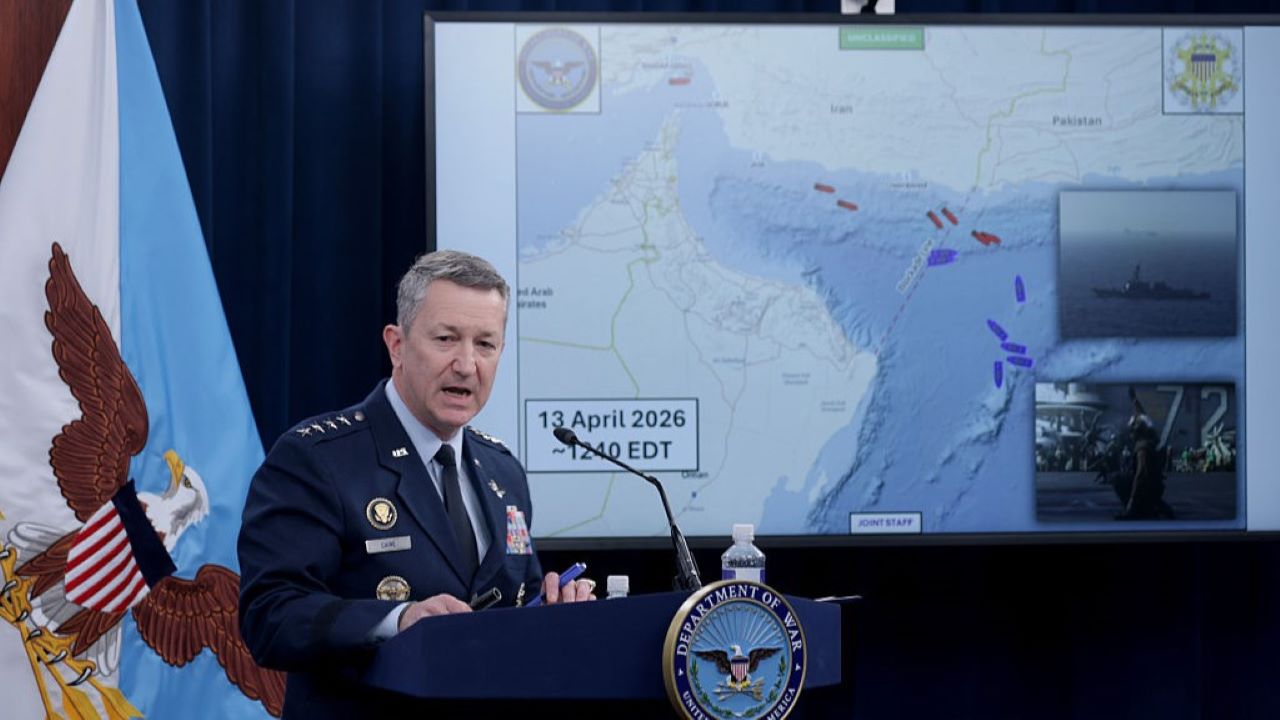
Every day, over 20% of the world's oil passes through the Strait of Hormuz. This narrow waterway, just 30 kilometers long and 120 kilometers wide, connects the Persian Gulf to the world’s energy markets. For decades, the Strait has been the lifeblood of global oil supply, with 15-18 million barrels per day flowing through its waters. Yet, in recent weeks, a dramatic shift has unfolded—a 24-hour whiplash in the Strait’s operational status has sent shockwaves through international trade and energy security.
What Happened? A Rapid Shift in the Strait of Hormuz
On a recent Tuesday, Iran announced it would open the Strait of Hormuz to commercial traffic. Within 24 hours, it reversed course, effectively closing the waterway. This sudden reversal, described by analysts as a ‘political gambit’ by Tehran, has triggered a crisis in global oil markets and regional stability.
Iran’s decision to initially open the strait followed a diplomatic breakthrough between Iran and the United States, which had previously been at odds over the Joint Comprehensive Plan for Nuclear Development (JCPOA). However, as U.S. military presence near the Strait increased, hardline factions within Iran’s government took control. Within hours, the government declared the Strait closed, citing ‘irregularities’ in the U.S. naval blockade of key shipping lanes.
Why This Matters: The Strait’s Economic Impact
The Strait of Hormuz is not just a geographical feature—it’s a strategic corridor. Its closure can lead to a 5-10% spike in global oil prices, with ripple effects across every economy. The U.S. Energy Information Administration estimates that a 10% reduction in oil flow through the strait could cost the global economy up to $30 billion per day.
- Iran’s hardliners, who control the Islamic Revolutionary Guard Corps (IRGC), have been pushing for a more aggressive stance on U.S. influence.
- The U.S. Navy has deployed 10+ ships to monitor Iranian naval activity in the region.
- Global oil prices have already risen 3.5% in the past 24 hours due to market uncertainty.
Experts warn that the Strait’s instability could lead to a broader regional conflict. With the Strait’s volume of oil crossing the threshold of 18 million barrels per day, its disruption could affect economies worldwide. The U.S. Department of Energy has noted that a 1% drop in oil flow through the strait can trigger a 1.5% increase in global fuel prices.
As the world watches, the Strait of Hormuz remains a critical crossroads. Its status is not just a matter of national policy—it’s a global economic indicator. The next move by Iran and the U.S. will determine whether the Strait becomes a flashpoint or a stabilizing force in the region.



