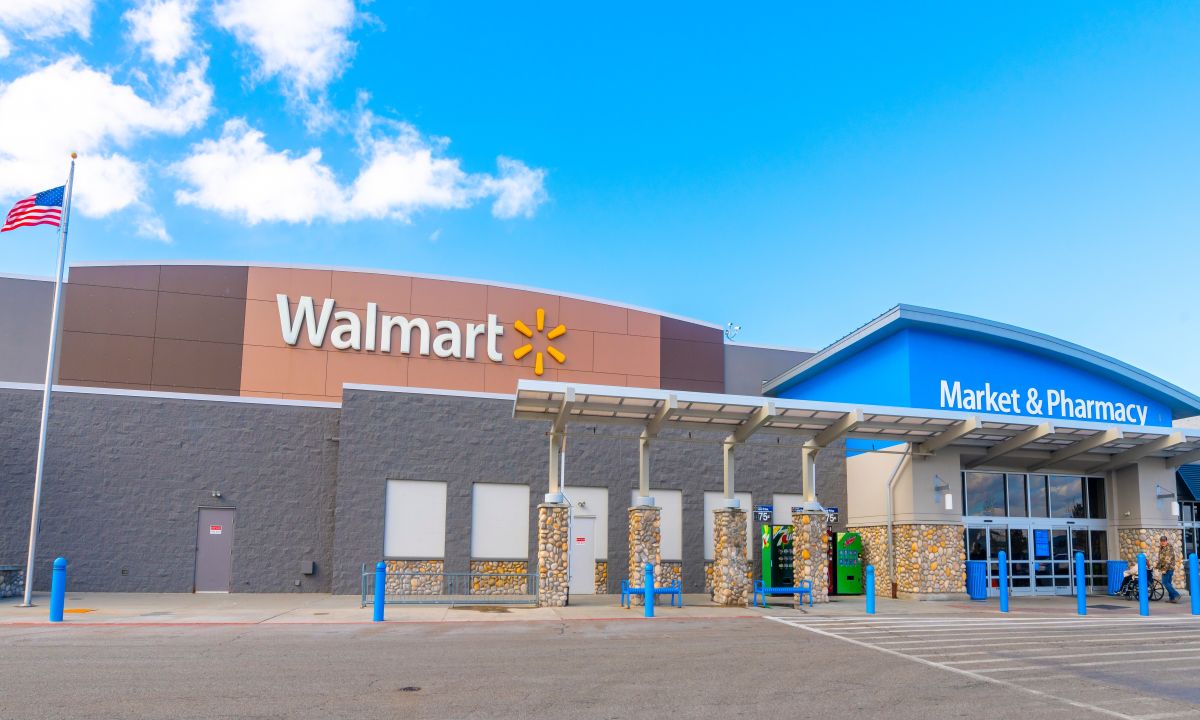
Walmart's aggressive strategy in e-commerce is reshaping the retail landscape, particularly in the race against Amazon for same-day delivery services. The retail giant has unveiled a bold initiative: transforming its physical stores into operational hubs for rapid delivery. This move, which has been gaining significant attention in financial markets, highlights Walmart's innovative approach to logistics and its commitment to enhancing customer experience.
At the core of this strategy lies a critical realization: traditional retail infrastructure can be repurposed to meet modern delivery demands. By utilizing store backrooms and existing warehouse spaces within its network, Walmart is creating a seamless delivery ecosystem that rivals Amazon's offerings. This initiative, which began in select markets and is now expanding, has already demonstrated tangible benefits in reducing delivery times and operational costs.
How Walmart Is Outmaneuvering Amazon in Same-Day Delivery
Walmart's strategy has been meticulously designed to leverage its vast physical footprint. Unlike Amazon, which relies heavily on centralized fulfillment centers, Walmart has identified its own stores as strategic warehouses for same-day delivery. This approach allows for faster dispatch times and reduced dependency on external logistics partners, providing a significant competitive edge in the market.
According to recent reports from PYMNTS, Walmart has been testing these store-based warehouses since early 2026, with initial results showing a 25% reduction in delivery times for urban areas. The initiative has been particularly effective in regions with high e-commerce adoption rates, where Walmart's extensive store network provides immediate access to inventory.
- Walmart's stores serve as mini-warehouses, storing products for same-day delivery
- Backroom spaces within stores are being optimized for rapid order processing
- Initial trials show a 25% improvement in delivery speed compared to traditional models
The financial implications of this strategy are significant. As Walmart's stock (WMT:NASDAQ) has been closely monitored by investors, the success of this initiative could have a substantial impact on its market valuation. Analysts suggest that this shift could lead to a 5-7% increase in quarterly earnings as operational efficiency improves.
While Amazon has long been the leader in same-day delivery, Walmart's approach has been a game-changer. By integrating its physical stores into the delivery process, Walmart has not only reduced costs but also improved the customer experience, which is crucial in the competitive e-commerce space.
However, challenges remain. The scalability of this model depends on the density of Walmart's store network and the ability to maintain inventory levels without overextending resources. Despite these challenges, Walmart's early success in pilot programs suggests that this strategy could become a standard practice in the industry.