

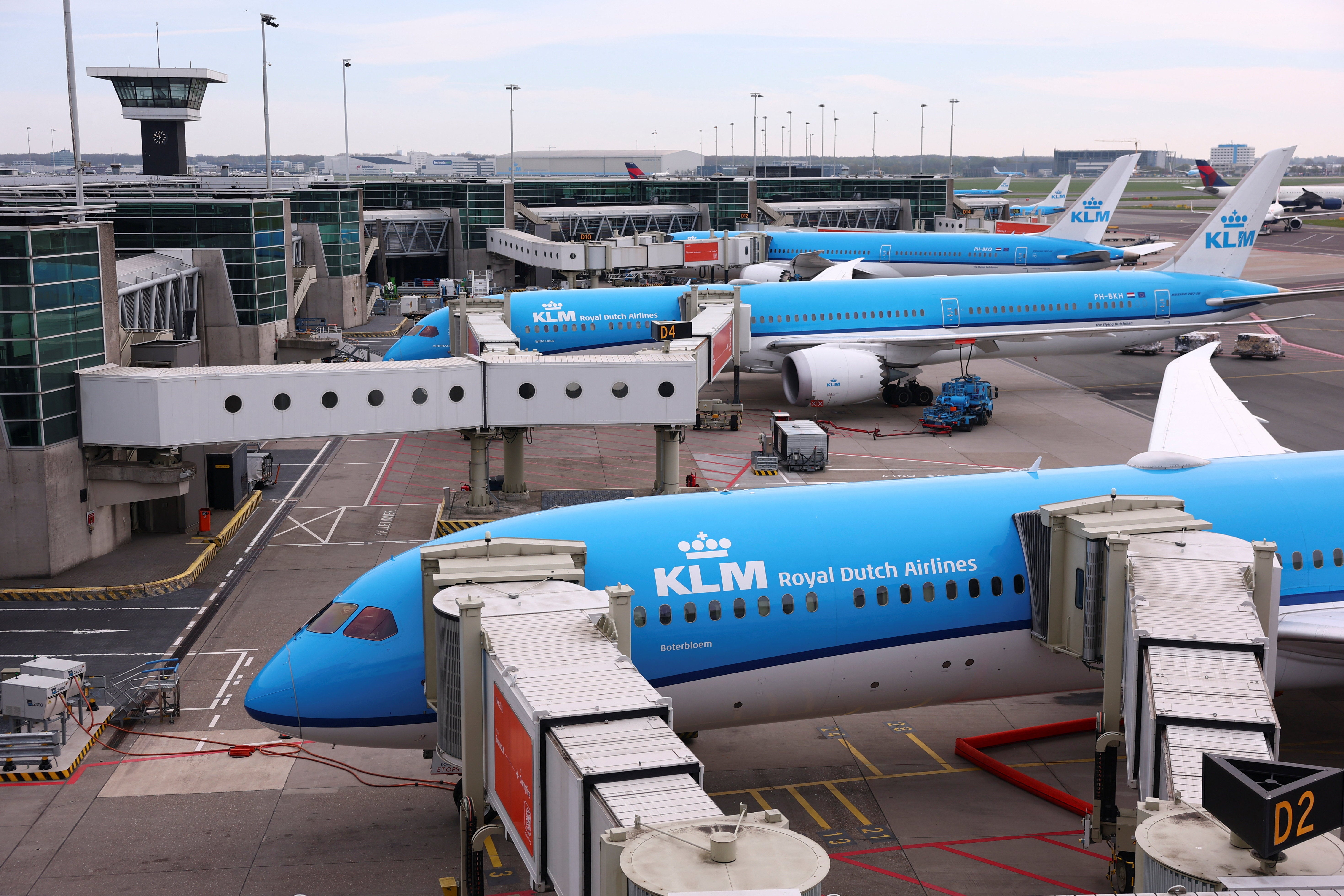
As the aviation sector grapples with unprecedented jet fuel price surges, the world is witnessing a perfect storm of economic and geopolitical instability. Recent developments, particularly the sharp escalation in jet fuel costs linked to the US-Israeli conflict with Iran, have sent shockwaves through global air travel networks. What was once a stable supply chain is now under severe strain.
The immediate impact is staggering: jet fuel prices have surged from around $85 to $90 per barrel to as high as $150 to $200 per barrel within weeks. This dramatic spike has triggered immediate consequences across the industry, from route cancellations to operational disruptions. Airlines are now scrambling to secure alternative fuel sources while passengers face higher travel costs and potential disruptions to their itineraries.
Can the EU's Jet Fuel Diversification Strategy Save the Industry?
Amid this crisis, the European Union has launched an ambitious initiative to diversify its jet fuel supply chain away from overreliance on Middle Eastern sources. This strategic move reflects growing concerns about supply chain vulnerabilities and the potential for further disruption due to geopolitical tensions. The EU's push for alternative suppliers and storage facilities is a critical response to the current instability.
- Enhanced collaboration with non-OPEC nations to secure stable fuel supply
- Investment in alternative fuel technologies like sustainable aviation fuel (SAF)
- Implementation of real-time monitoring systems for fuel quality and volume
These measures aim to mitigate the immediate risks while building a more resilient and diversified supply chain.
However, the effectiveness of these strategies is still under scrutiny. The aviation industry has historically relied on a relatively stable global market for jet fuel, and the sudden shift in geopolitical dynamics has exposed critical vulnerabilities. With the conflict between Iran and Israel causing significant disruptions to traditional supply routes, the industry must act quickly to prevent a full-blown crisis.
Passengers and businesses alike are feeling the impact of these changes. Flight cancellations and additional fees have become common, particularly for international travelers. Many European vacation plans are now under threat due to the sudden volatility in fuel costs, with some airlines adding extra charges to compensate for the increased expenses.
The situation highlights the intricate relationship between global politics, energy markets, and the daily operations of the aviation sector. As the crisis deepens, the industry must balance immediate operational needs with long-term strategic planning to ensure continued service and affordability.



