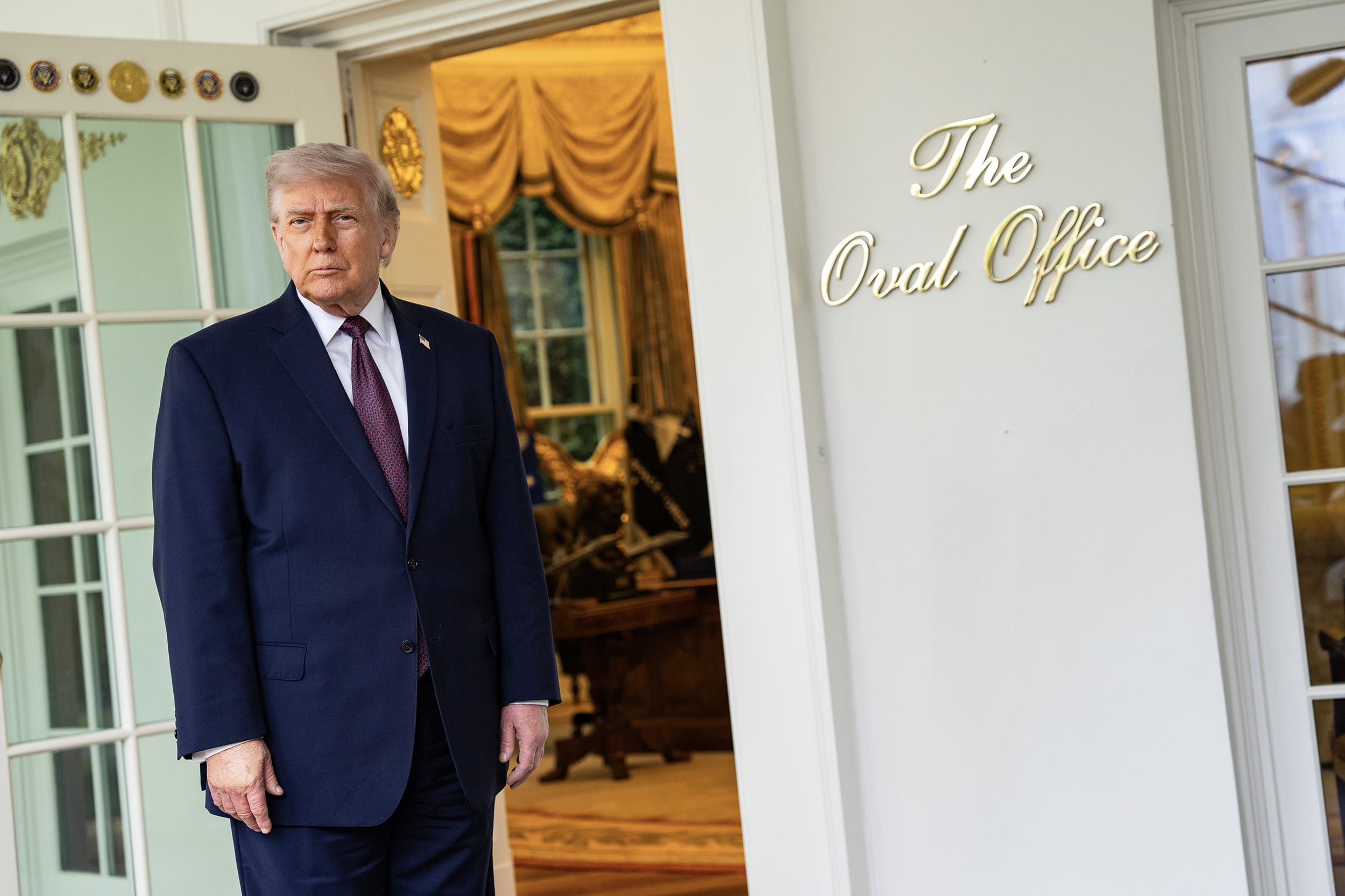
President Donald Trump's job approval rating has reached a historic low, according to a recent poll that highlights mounting public dissatisfaction with his leadership. The data, drawn from a widely respected national survey, reveals a sharp decline in support, with the majority of Americans expressing concerns over economic challenges and the ongoing conflict in Iran. This trend marks a significant departure from previous polling cycles and underscores the complex interplay between domestic and international issues in shaping voter sentiment.
The recent decline in Trump's approval rating comes amid a backdrop of economic uncertainty and heightened geopolitical tensions. As the economy struggles with inflation and job losses, many Americans are turning their attention to the Iran conflict, which has drawn sharp criticism from both political factions. Polls indicate that a substantial portion of the electorate views the administration's handling of the conflict as poorly managed, further eroding trust in Trump's ability to navigate these critical issues effectively.
How does the economy impact Trump's approval rating?
Analysis of the data shows a clear correlation between economic performance and voter approval. When economic indicators such as unemployment and inflation rise, public confidence in the president's ability to address these issues drops significantly. In this case, the latest poll shows that 62% of respondents believe the economy is in poor condition, directly contributing to the drop in Trump's approval rating.
- Over 60% of Americans report feeling that the economy is not improving
- 55% of respondents cite the Iran conflict as a primary concern
- 48% feel the administration is not adequately addressing economic challenges
These findings highlight a critical juncture in the political landscape. The economy remains a central issue for voters, but the Iran conflict has emerged as a significant additional factor that is influencing voter sentiment.
Historically, economic performance has been a major driver of approval ratings, with previous presidents experiencing similar declines during periods of economic instability. However, the current situation is unique due to the intersection of domestic and international challenges. The recent poll shows that a growing number of Americans are connecting these two issues, suggesting a more complex narrative around voter dissatisfaction.
Experts note that while the economy has long been a key factor in determining political support, the current context has introduced a new layer of complexity. The Iran conflict has become a focal point for criticism, with many respondents linking it to a sense of national security and foreign policy missteps. This dual focus has created a unique challenge for the administration, as it must balance domestic concerns with international pressures.
The data also reveals that younger voters, particularly those under 30, are expressing stronger concerns about the economy and the Iran conflict. This demographic shift is a critical indicator of the evolving political landscape and could have significant implications for future policy decisions and voter behavior.
As the polls continue to show a steady decline in approval ratings, the administration faces a difficult choice: address the economic challenges head-on or focus on international diplomacy. Without a clear strategy to address these concerns, the trend of declining approval is likely to persist.