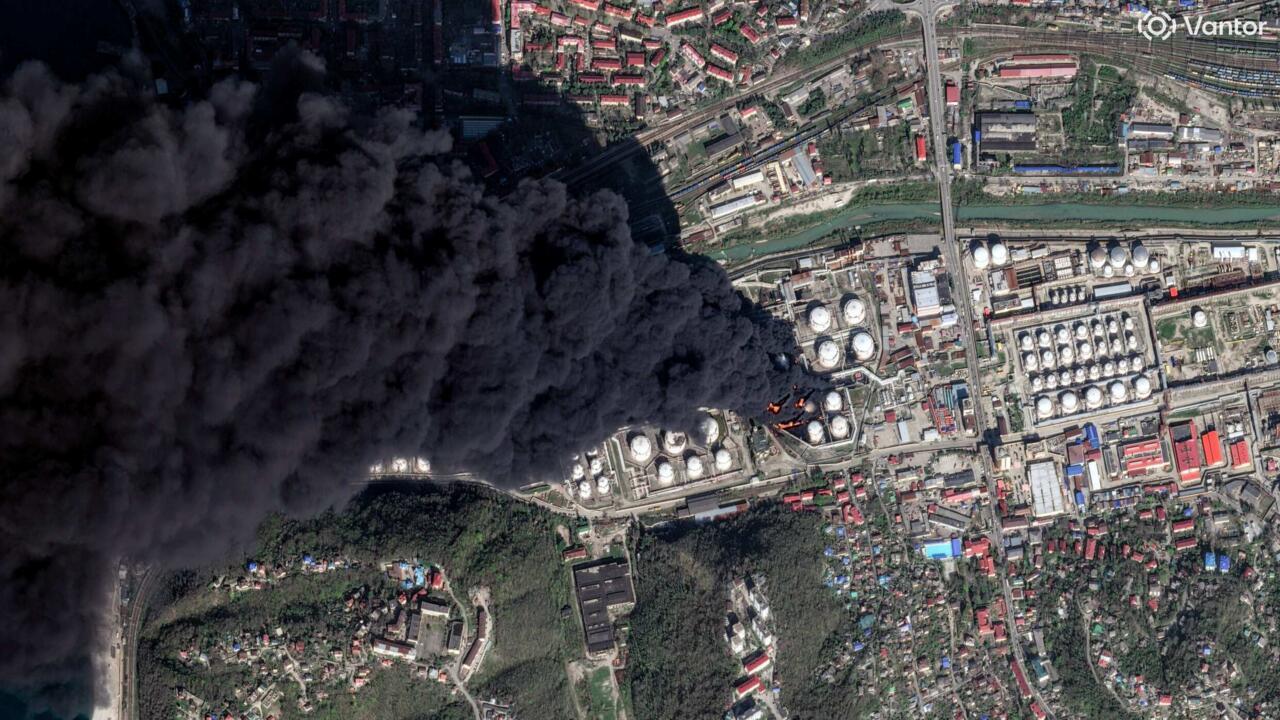
As the conflict in eastern Europe escalates, Ukraine has shifted its military strategy to target critical infrastructure in Russia, particularly oil refineries. This move follows the U.S. lifting of sanctions on Russian oil exports, a decision that has sent shockwaves through global energy markets. The timing of these strikes highlights the evolving nature of modern warfare, where energy resources have become strategic battlegrounds.
On April 20, 2026, Ukrainian forces launched coordinated attacks on several Russian oil refineries near the border, exploiting the recent U.S. sanctions relaxation as a tactical advantage. These actions were not isolated incidents but part of a broader strategy to disrupt Russia's ability to supply crude oil to international markets. Analysts suggest that the strikes aim to force Moscow to reconsider its energy policies and reduce its reliance on Western markets, which have been critical for funding its war effort.
The decision to target oil infrastructure marks a significant shift in the conflict's dynamics. Historically, energy attacks have been used sparingly, often as collateral damage in larger operations. However, this time, Ukraine is focusing specifically on energy assets, indicating a more calculated approach. The U.S. sanctions on Russian oil, which were imposed in 2022, had previously limited Moscow's access to international markets, but the recent relaxation has created a window of opportunity for targeted strikes.
Could Ukraine's Strikes on Russian Oil Refineries Alter Global Energy Markets?
Experts warn that the impact of these strikes could be profound. With over 40% of global oil production tied to Russian exports, even a temporary disruption could trigger significant price volatility. The U.S. policy shift has already caused uncertainty, and Ukraine’s actions add another layer of complexity to an already volatile market. Energy analysts predict that the immediate effect might be a short-term spike in oil prices, as traders react to fears of reduced supply from key producers.
- Immediate impact: Short-term spikes in oil prices due to reduced supply from Russian refineries.
- Strategic advantage: Ukraine aims to pressure Moscow by disrupting its ability to export crude oil, reducing its economic leverage.
- Long-term implications: Potential for more targeted strikes on critical infrastructure as the conflict evolves.
The U.S. sanctions on Russian oil, initially designed to limit Moscow’s access to global markets, have now become a tool for Ukraine to exert pressure. This is a strategic shift that reflects the growing importance of energy infrastructure in modern conflict. As the war drags on, both sides will continue to adapt their tactics, with energy assets becoming increasingly vulnerable to targeted strikes.