The White House Correspondents' Dinner, an annual event that has evolved from a simple press gathering to a high-stakes political theater, continues to serve as a critical nexus where journalism and executive power intersect. This year’s gathering, scheduled for Saturday, marks a pivotal moment as President Donald Trump steps into the spotlight for the first time as the nation’s leader. With over 250 journalists, including veteran figures like Ann Curry, Sam Donaldson, and Dan Rather, mobilizing behind a unified call to 'forcefully demonstrate opposition' to Trump’s administration, the dinner has transformed into a battleground for journalistic integrity and political accountability.
Is the Dinner a Strategic Move by Trump to Test Journalists?
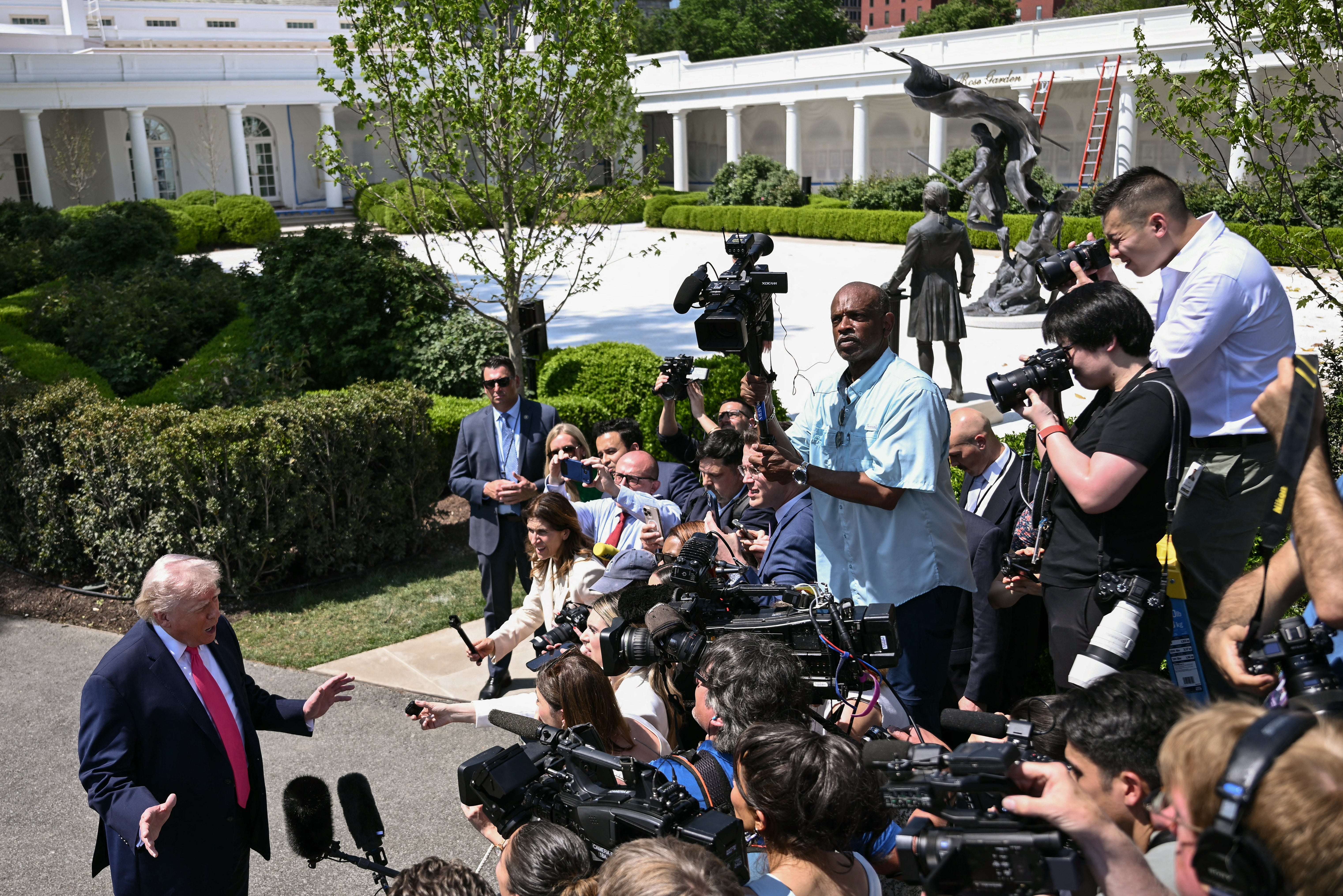
Historically, the dinner has been a tradition of informal yet influential dialogue between the administration and press corps. However, this year’s event is expected to be more contentious. As Trump’s presidency has been marked by a polarized media landscape and a growing number of allegations against his rhetoric, the dinner has become a focal point for journalists seeking to address the president’s increasingly aggressive comments about the media. The White House Correspondents Association (WHCA) has been urged to 'speak forcefully' about the administration’s alleged attacks on press freedom, a demand that echoes the 1970s when the press was pivotal in shaping public perception of the Watergate scandal.
Analysts suggest that Trump’s attendance at the dinner—a move critics argue is an attempt to 'test' the press—has heightened tensions. The event, hosted by the WHCA, has long been a platform for accountability, but this year’s context adds a layer of urgency. With Trump’s tendency to dismiss critics and his recent history of attacking the press, the dinner has become a symbolic stage for the media’s response to his actions.
- Historical precedent: In the 1970s, the press played a key role in exposing Watergate, a precedent that underscores the importance of holding leaders accountable.
- Current stakes: The dinner is a chance for journalists to address Trump’s recent attacks on the press, including his controversial remarks about the media being 'enemies of the American people.'
- Strategic implications: If the WHCA fails to 'speak forcefully,' it risks reinforcing a narrative that the press is a tool for political manipulation rather than a check on power.
The dinner’s role as a space for accountability is crucial. It has historically been a venue where the press can influence policy decisions and shape public opinion. However, with the current political climate, the event has evolved into a critical moment for journalists to assert their role as watchdogs. The WHCA’s ability to 'speak forcefully' will determine whether the dinner becomes a platform for constructive dialogue or a mere formality.
As the event approaches, the media’s response to Trump’s actions—and the pressure to 'speak forcefully'—will set a precedent for future interactions between the press and the executive branch. The stakes are high, and the outcome could have lasting implications for the health of American journalism and democratic accountability.