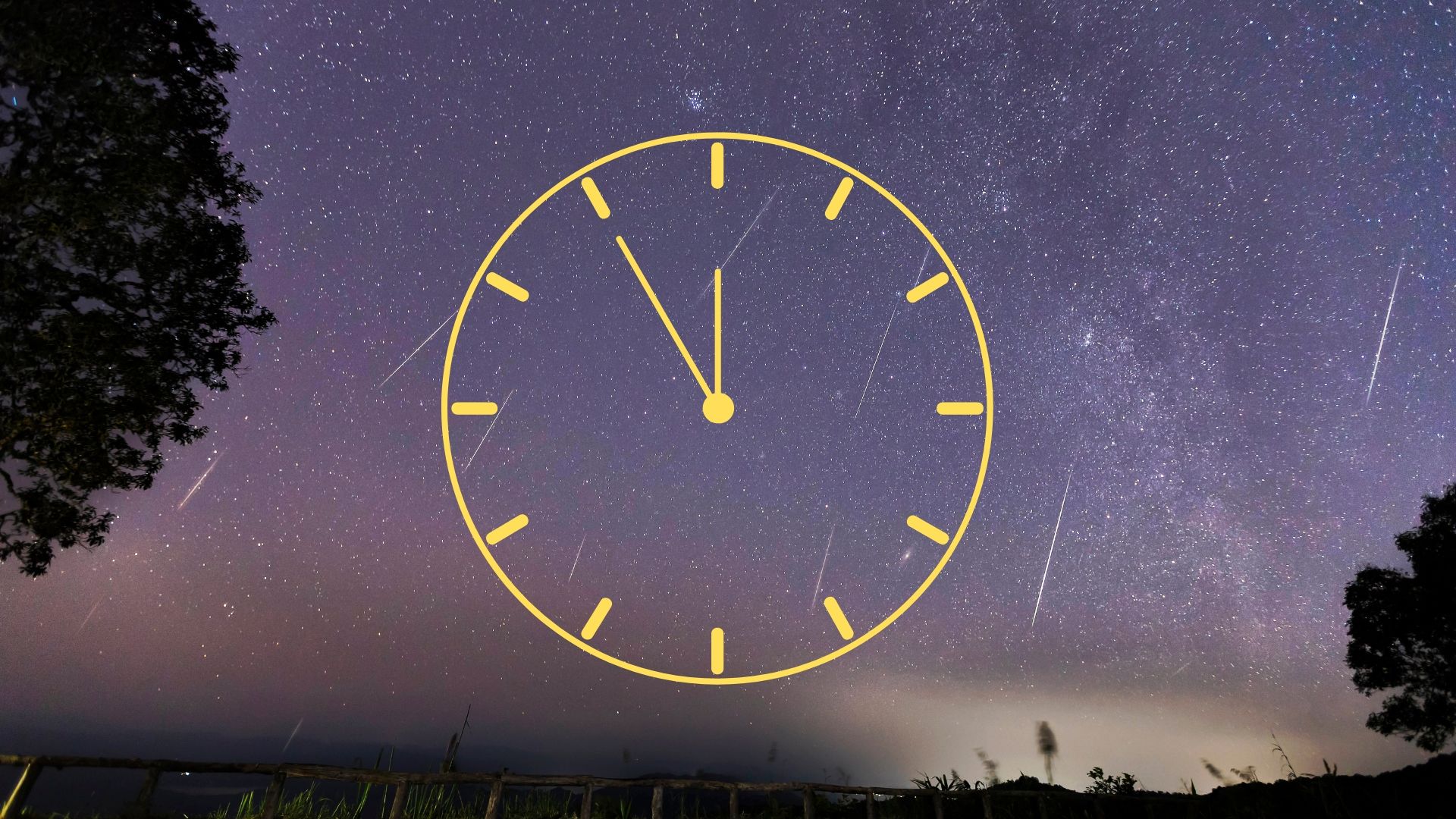
Every year, the Lyrid meteor shower, one of the most ancient and well-documented celestial events, reaches its peak around April 22–24. This annual meteor shower, originating from the comet C/1861 O.1 (which astronomers now believe to be a fragment of a larger comet), has captivated stargazers for over two millennia. Unlike the more dramatic and visible Perseid or Orionid showers, the Lyrids are known for their fainter, slower-moving meteors, often described as 'dust' rather than 'shockwaves.'
Why does the Lyrid shower matter?
For astronomers, the Lyrid meteor shower is a window into the past. Its historical documentation dates back to the 3rd century BCE, where ancient Chinese astronomers recorded the event as a 'starfall'—a phenomenon they believed was divine. By the 1st century CE, the Lyrids had become a standard reference point for predicting meteor showers, allowing early astronomers to track the movement of celestial bodies across the sky.
Modern astronomers have discovered that the Lyrids are linked to a rare, non-periodic comet. Unlike most meteor showers, which originate from periodic comets that return every few decades, the Lyrids come from a comet that has been observed only once in the last 2,700 years. This makes the Lyrid shower a unique and unpredictable phenomenon, with the potential to produce spectacular displays of meteors up to 100 per minute during its peak.
Can you see the Lyrids tonight?
While the Lyrids are often overshadowed by the more intense Perseids in August, they are visible year-round. However, their peak in April is particularly significant for stargazers in regions with minimal light pollution. In Arizona, where the Grand Canyon National Park offers dark skies, the Lyrids are especially prominent due to the state's low levels of urban light pollution and the presence of the Grand Canyon National Park, which has a clear sky observation program.
For those planning to observe the Lyrids in 2026, timing is crucial. The best viewing window will be between April 22 and 24, when the Earth's orbit passes through the debris trail of the comet. This is the optimal time to spot the Lyrids, as the meteors will be most concentrated in the sky. The peak of the Lyrid shower occurs at around 2 a.m. local time, so finding a dark, open area is key.
- Best time for Arizona stargazers: April 22–24, 2026, between 1–3 a.m.
- Recommended location: Open fields near the Grand Canyon National Park, where light pollution is minimal and the sky is clear.
- Key tip: Bring a red-light flashlight to preserve your night vision and avoid disrupting your view of the meteors.
Despite being one of the least visible meteor showers, the Lyrids offer a unique opportunity to observe a rare, ancient event that has been documented for over two thousand years. For those who can find a dark sky, the Lyrids can be a breathtaking sight, with meteors that appear as faint, slow-moving streaks across the sky.