Florida’s ongoing wildfire crisis has reached a critical threshold, with the state’s fire weather threat remaining elevated across multiple regions. As of late May, over 600,000 acres have burned statewide, a stark increase from the same period in 2023. The National Weather Service has issued six fire weather advisories, covering six distinct regions, highlighting the severity of the situation. This escalation is not isolated—it’s part of a larger pattern of prolonged drought, fierce winds, and record-low precipitation that have turned Florida’s typically wet climate into a tinderbox.
How is Florida’s Fire Weather Threat evolving?
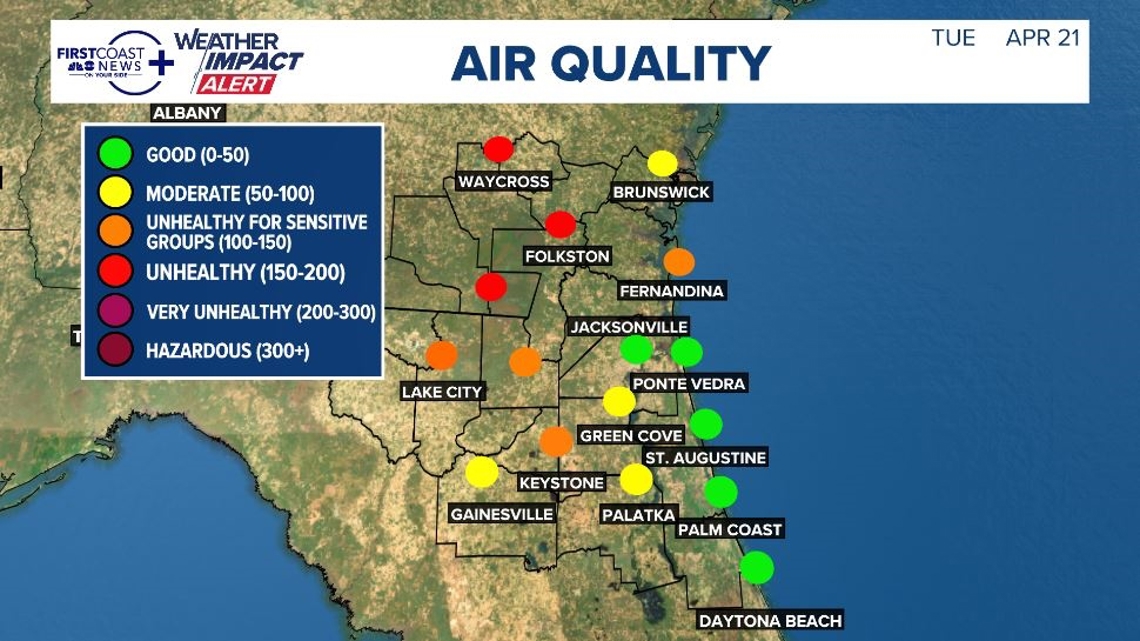
Florida’s fire weather threat has been steadily worsening for months. The state’s Department of Environmental Protection reports that the combination of persistent dry conditions and strong winds has created a perfect storm for wildfire ignition. In particular, the First Coast region, spanning from Waycross to Palatka, has seen air quality drop to 'unhealthy' levels for sensitive populations, with the National Weather Service issuing red flag warnings.
What’s particularly alarming is the scale of the fire response. Florida has already committed hundreds of millions of dollars in recent years to modernize its firefighting infrastructure, including upgrading helicopters and deploying advanced drone technology. Yet, despite these investments, the state is still struggling to keep up with the pace of fire outbreaks, which have grown significantly larger this year compared to historical averages.
- Over 600,000 acres burned statewide in the first half of 2024
- 6 fire weather advisories active across 6 regions
- First Coast air quality at 'unhealthy' levels for sensitive groups
The state’s emergency management agencies are now prioritizing targeted interventions to prevent further escalation, focusing on early detection and rapid response to mitigate the impact of these fires on communities and ecosystems.