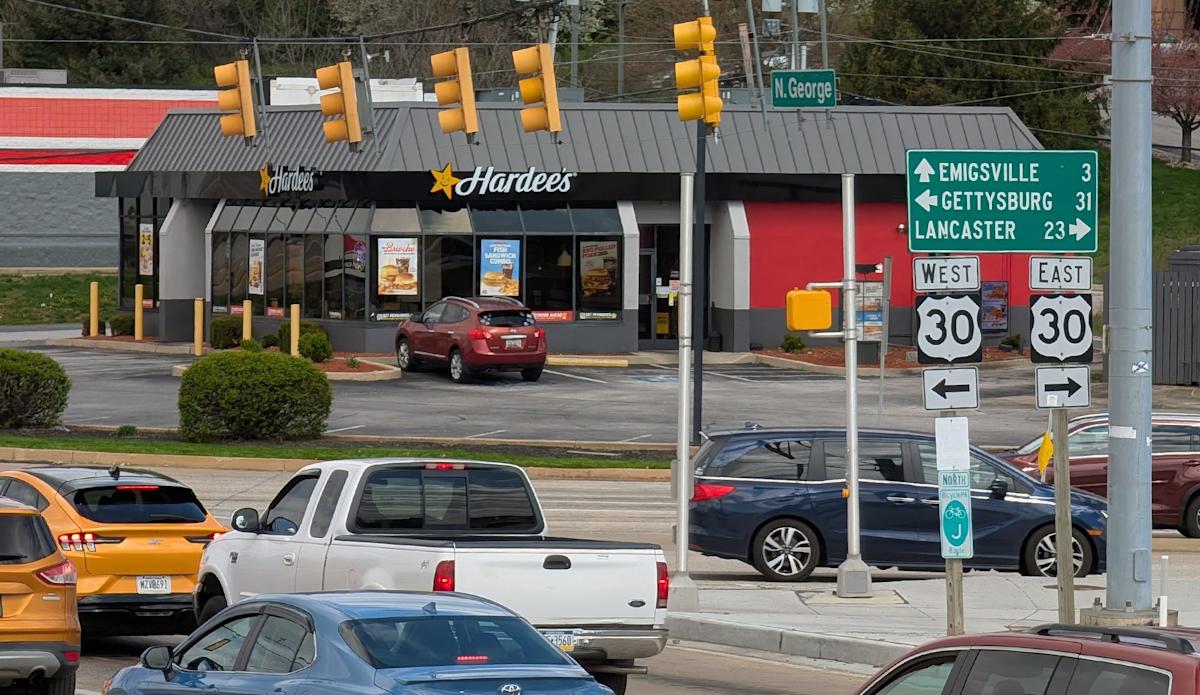
Hardee's, the fast-food chain known for its family-friendly menu and strategic expansion, has confirmed that one of its restaurants in York County will remain open beyond the initial closure deadline. According to a company statement released on April 17, 2026, the location at the intersection of Route 30 and North George Street in Manchester Township will stay operational throughout the summer, defying earlier predictions of a late-April shutdown. This decision marks a significant adjustment to the chain's localized operational approach, highlighting the nuanced challenges faced by regional outlets in adapting to shifting consumer demands and economic conditions.
Why is Hardee's extending this single location's closure?
The company initially anticipated the York County location would close by the end of April, but this change in plan signals a broader recalibration of its regional strategy. Industry analysts suggest this shift reflects a growing emphasis on localized customer retention, particularly in areas with strong community ties and consistent foot traffic. Unlike typical seasonal closures, this extension demonstrates a targeted response to sustained demand, rather than a widespread operational setback.
Hardee's has faced increasing pressure to maintain stability in rural and suburban markets, where competition from local eateries and changing consumer preferences have intensified. By extending the opening hours and adjusting menu offerings, the chain aims to retain its core customer base while testing new market dynamics in the region.
- Extended hours and seasonal menu adjustments
- Integration of community-focused initiatives
- Strategic alignment with local economic trends
The decision underscores Hardee's ability to pivot quickly in response to real-time data and community feedback. As the company continues to refine its regional operations, this move provides valuable insights into how fast-food chains navigate localized challenges while maintaining national consistency.
What does this mean for the future of fast-food in rural areas?
Looking ahead, this case highlights a critical shift in how fast-food chains operate in less-urbanized regions. With rural populations increasingly seeking personalized, community-oriented services, chains like Hardee's are adapting their models to emphasize local relevance without compromising scalability. This trend is part of a larger industry movement toward hyper-localized strategies that balance national standards with community-specific needs.
For consumers, this means more tailored experiences and a reduced risk of closures disrupting routine meals. For the industry, it represents a proactive step toward sustainable, community-integrated operations that prioritize long-term customer loyalty over short-term cost-cutting measures.