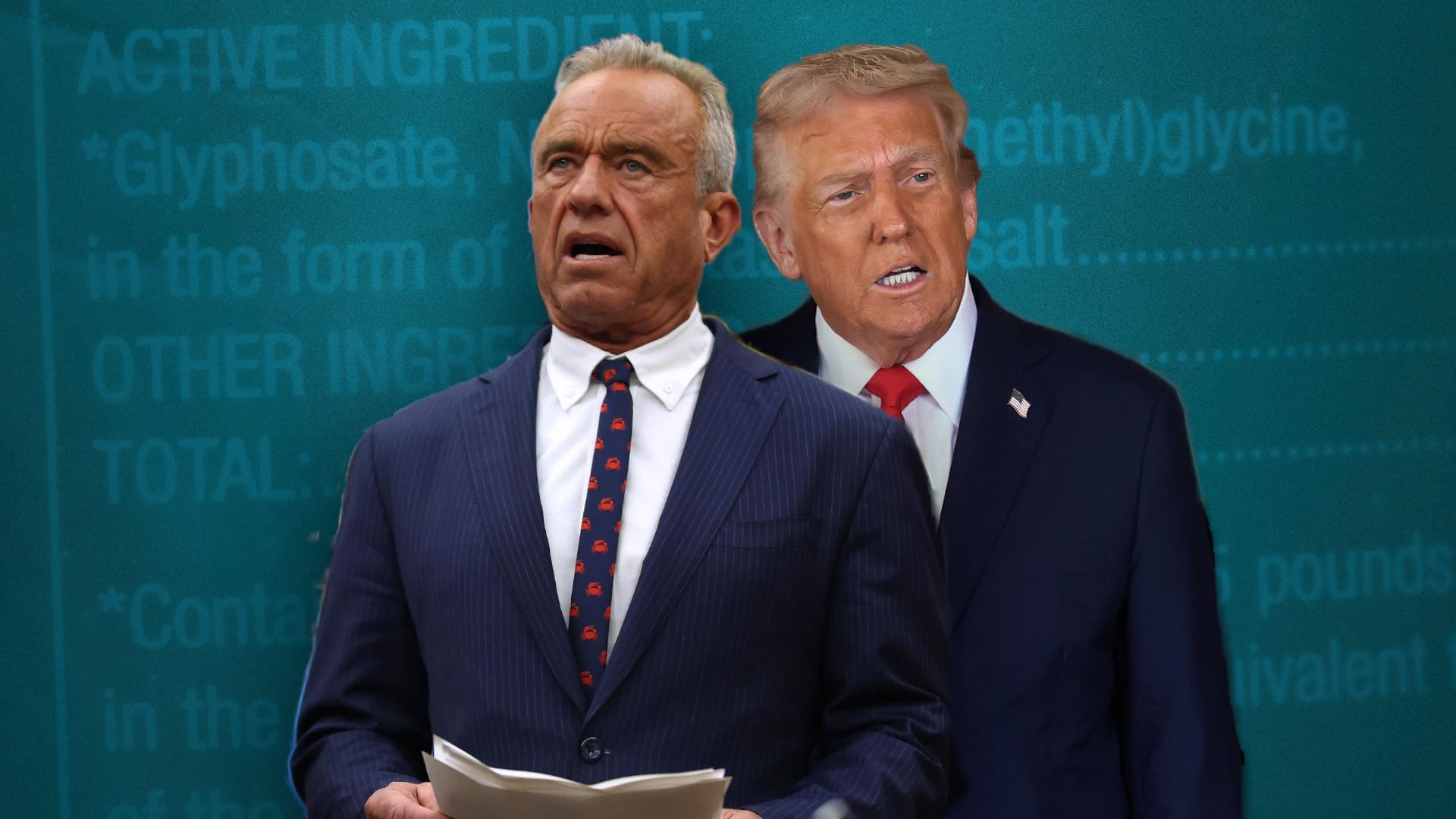
The U.S. House of Representatives has passed a revised version of the farm bill, marking a significant shift in agricultural policy after months of intense debate. This move comes amid growing concerns about pesticide regulations and the economic impacts on rural communities. The key development? The House removed controversial provisions that had been criticized by environmental advocates and farmers' groups for favoring pesticide manufacturers.
Under the original proposal, certain pesticide manufacturers would have been shielded from liability for environmental damage caused by their products. Critics, including the Environmental Protection Agency (EPA) and groups like the National Farmers Union, argued that these provisions could undermine efforts to protect public health and ecosystems. The decision to strip these provisions reflects a growing consensus among lawmakers that transparency and accountability in agricultural practices must take precedence over corporate protection.
Why did the House remove pesticide protections?
The removal of these provisions was driven by pressure from multiple stakeholders. Environmental groups and agricultural experts highlighted the risks of allowing pesticide manufacturers to avoid accountability for environmental harm. Meanwhile, some Republican lawmakers, who had previously supported the measure, shifted their stance due to concerns about public backlash and the potential for lawsuits against agribusinesses.
Notably, this decision does not negate the broader challenges facing the agricultural sector. The farm bill remains a critical tool for supporting farmers through crop insurance, disaster relief, and subsidies. However, the removal of pesticide protections signals a potential pivot toward more stringent oversight of agricultural chemicals—a shift that could have far-reaching implications for the future of farming.
What does this mean for Iowa farmers?
- Iowa’s agricultural sector has long relied on crop insurance and subsidies, which were included in the passed bill. These provisions are expected to provide financial stability amid volatile market conditions.
- Environmental impacts of pesticide use remain a key concern. The removal of protections could lead to more rigorous testing and reporting requirements for pesticide manufacturers, potentially reducing their influence over regulatory outcomes.
- The farm bill’s success hinges on balancing economic support with environmental safeguards—a delicate equilibrium that the House has now addressed partially.
For now, Iowa farmers are cautiously optimistic. With the bill cleared by the House, the next step is a vote in the Senate, which is expected to take weeks. While the full bill’s final form remains uncertain, the removal of controversial pesticide provisions represents a step toward more transparent and accountable agricultural policy.