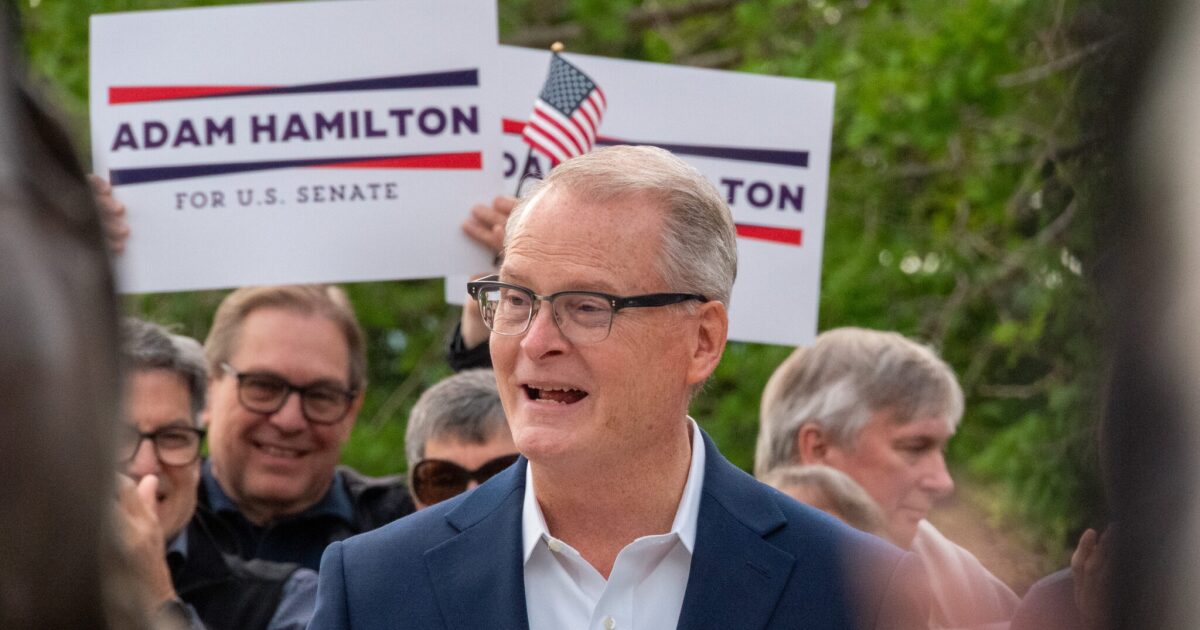
Adam Hamilton, the head pastor of the nation’s largest United Methodist church in the United States, has made a significant political move by launching a campaign for the U.S. Senate in Kansas. Known for his leadership within the Methodist community and his influence across the state, Hamilton’s decision to enter the race has sparked widespread attention and analysis. This shift from religious leadership to political office highlights a growing trend of faith-based individuals leveraging their community networks to impact national politics.
Can a Church Pastor Become a National Political Figure?
Hamilton’s campaign marks a pivotal moment in the intersection of religious influence and American politics. As the pastor of a church with a following that spans across multiple states, his candidacy reflects a broader narrative of how grassroots movements can translate into mainstream political engagement. His announcement, made in Johnson County, Kansas, comes amid a period of heightened political activity in the state, where religious leaders have increasingly become key players in shaping policy discussions.
Historically, religious figures have played significant roles in American politics, from the early days of the Republic to the present day. However, Hamilton’s case is unique due to his position as the head of the largest Methodist church in the country. This move demonstrates a strategic alignment between his religious duties and political aspirations, which could influence voter behavior and policy outcomes across the nation.
- Hamilton’s church, which serves over 15,000 members across 25 states, has a strong base in rural and suburban communities.
- His campaign focuses on issues such as economic justice, education reform, and healthcare accessibility, aligning with his church’s values.
- Hamilton’s candidacy is part of a growing trend of religious leaders stepping into political roles, particularly in the Midwest and South.
One notable aspect of Hamilton’s campaign is his emphasis on community-driven solutions. Unlike traditional political campaigns that often rely on top-down approaches, Hamilton’s strategy is rooted in listening to local communities and translating their needs into actionable policies. This approach has already begun to attract support from both within and outside his church community.
Critics argue that religious leaders entering politics could lead to a dilution of policy focus, as their primary role is to guide spiritual and moral issues rather than political ones. However, Hamilton’s team has emphasized their commitment to maintaining a balance between religious values and secular governance, ensuring that their policies remain grounded in practical, community-based solutions.
Looking ahead, Hamilton’s campaign could set a precedent for future religious figures in politics, particularly in regions where faith and community service are deeply intertwined. His candidacy also raises questions about the evolving role of religious institutions in shaping national policy agendas.