

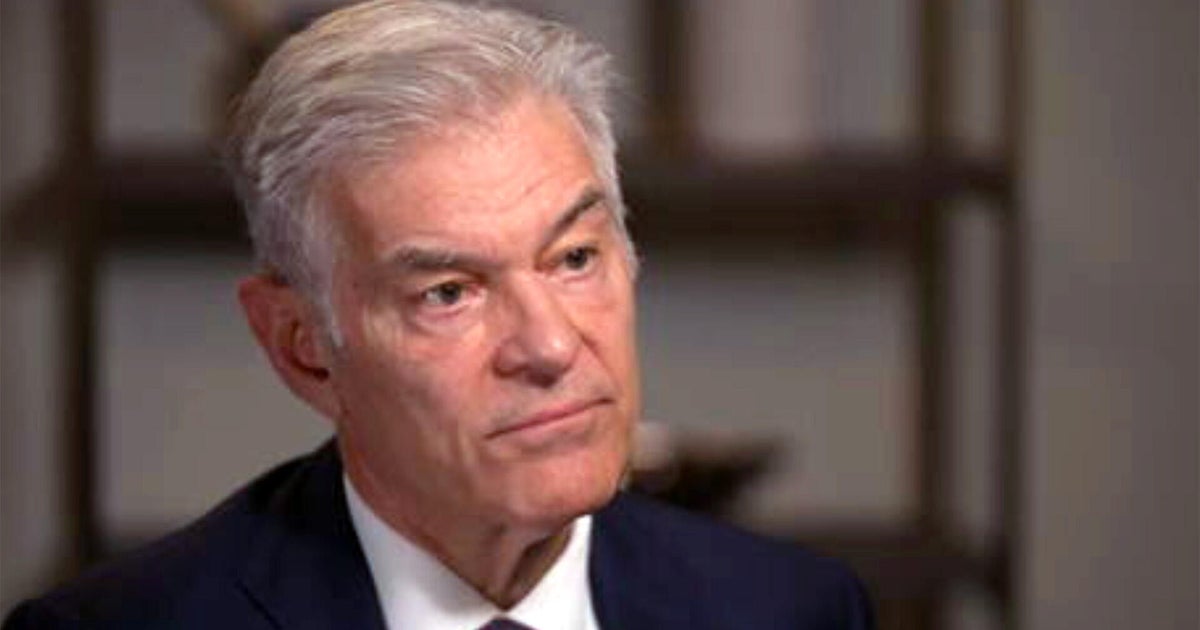
Minnesota’s Medicaid program has been at the center of a high-stakes federal dispute since the U.S. Department of Health and Human Services (HHS) deferred $91 million in state funding. This decision, tied to claims of fraud vulnerabilities, has drawn sharp criticism from Governor Tim Walz, who labeled it a 'campaign of retribution' against Minnesota’s healthcare system. At the heart of this conflict lies Dr. Mehmet Oz, the administrator of the Centers for Medicare & Medicaid Services (CMS), whose actions and decisions have become pivotal in shaping the national conversation around Medicaid oversight.
Dr. Oz’s role as CMS administrator has been marked by a focus on combating fraud and ensuring program integrity. His leadership has been both praised and scrutinized, particularly in light of the recent deferral of funds to Minnesota. While the Trump administration has cited fraud vulnerabilities as the rationale for the funding pause, critics argue that the move disproportionately impacts vulnerable populations already struggling with healthcare access. Minnesota’s Medicaid enrollment has been growing steadily, with over 2.1 million residents covered under the state’s program—a figure that underscores the complexity of balancing federal oversight with equitable service delivery.
Is the Deferral a Strategic Move or a Political Hammer?
Analysts are divided on whether the $91 million deferral is a genuine effort to safeguard the Medicaid program or a politically motivated action targeting Minnesota’s progressive healthcare policies. Proponents of the deferral argue that proactive fraud prevention is critical, given the rising number of fraudulent claims in Medicaid systems nationwide. However, opponents highlight that the timing coincides with a surge in federal investigations into state-level healthcare programs, raising questions about the scope and legitimacy of the allegations.
- The deferral has been criticized for its impact on low-income families who rely on Medicaid for essential care
- Minnesota’s Medicaid enrollment growth has been a key factor in the dispute
- Dr. Oz’s background in public health has been a focal point for debates on transparency and accountability
One key insight from this case is the tension between federal oversight and state autonomy in healthcare policy. Minnesota’s experience highlights the challenges of implementing broad fraud detection measures without disrupting critical healthcare access. The state’s push for expanded Medicaid coverage has been a model for other states, making this issue particularly sensitive.
Looking ahead, the outcome of this dispute could set a precedent for how federal agencies interact with state-level healthcare programs. If the deferral is indeed a response to legitimate fraud risks, it could lead to more targeted interventions. If it’s a politically driven move, it might intensify state-federal tensions over healthcare policy.
As the situation evolves, stakeholders must weigh the trade-offs between fraud prevention and accessibility. The next steps will determine whether this incident becomes a case study in effective oversight or a catalyst for broader systemic reforms.



