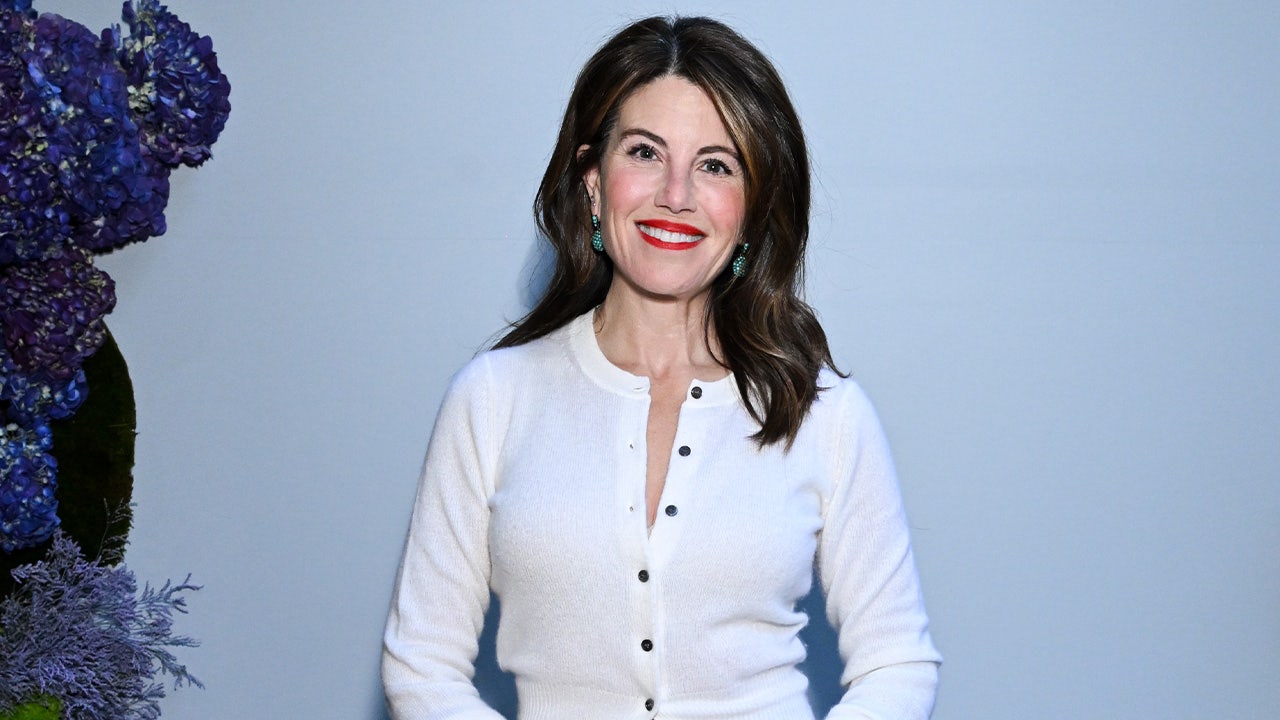
Monica Lewinsky's relationship with President Bill Clinton during the 1990s remains one of the most debated episodes in modern American history. Decades after the scandal broke, Lewinsky has reflected deeply on the role of validation in her decisions. In a recent interview, she revealed that her youthful struggle for acceptance and emotional security was the primary catalyst behind choices that would later define her public persona.
At the time of her affair with Clinton, Lewinsky was a 24-year-old intern at the White House, working under the Clinton administration. She described this period as a time of intense emotional vulnerability. Her desire for validation from powerful figures, including Clinton, drove her to make impulsive decisions that would later become national headlines. This was not a case of deliberate misconduct but a complex interplay of adolescent development, societal expectations, and the high-stakes environment of the White House.
Why Did Monica Lewinsky Seek Validation?
Lewinsky has been open about her experience as a young woman navigating a world that often equated her worth with her ability to gain approval. In her own words, she felt that her value as a person was tied to her relationship with influential individuals. This was particularly acute during her time at the White House, where she was constantly exposed to high-level political dynamics and the pressure to conform to a certain image.
The scandal, which led to Clinton's impeachment, was not just a personal failure but a symptom of the broader cultural landscape of the 1990s. Society then placed a high premium on the approval of those in power, and Lewinsky found herself caught in this cycle. Her story highlights the intersection of personal identity, professional ambition, and the emotional needs of someone trying to find their place in a complex social system.
What Was the Real Reason Behind the Scandal?
- Lewinsky's need to be seen and approved by powerful people, including Clinton
- Her desire to prove herself in a high-stakes environment
- Her struggle with self-worth and identity during a time of rapid social change
These factors, combined with the intense scrutiny of the media and political machinery, created a perfect storm for a crisis that would shake the nation. The scandal revealed how deeply personal issues can become public, and how the pursuit of validation can lead to serious consequences.
Today, Lewinsky's perspective has evolved. She has become a voice for understanding the complexities of adolescence and the emotional needs of young adults. Her story is not just about the scandal itself but about the human need for connection and acceptance. In her own words, 'I was trying to find my place in a world that often did not acknowledge my value.'
As we reflect on this chapter of American history, it's important to recognize that behind every major scandal lies a human story of struggle, growth, and the search for meaning. Lewinsky's journey reminds us that understanding the roots of our actions can lead to greater empathy and a more nuanced understanding of the world we live in.