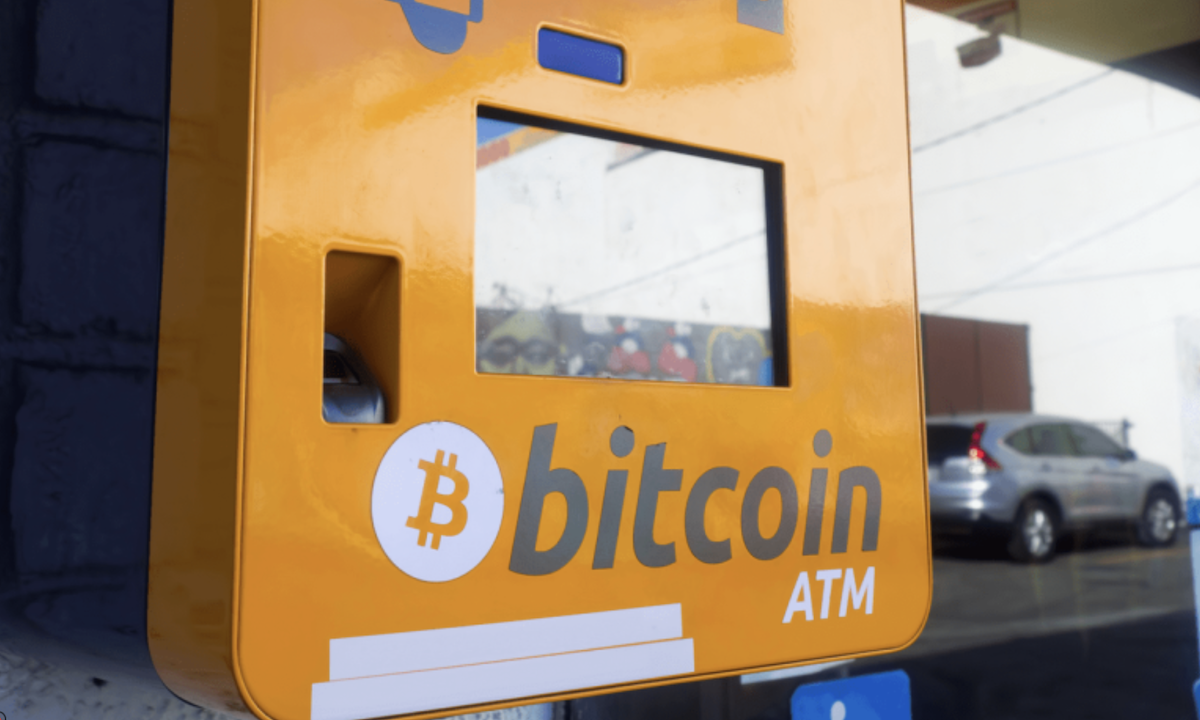
Canada’s decision to outlaw cryptocurrency ATMs marks a pivotal shift in national financial security strategy. As digital transactions become increasingly sophisticated, traditional financial oversight mechanisms are struggling to keep pace with the rapid evolution of financial technology. This move reflects a growing recognition that the proliferation of unregulated payment channels poses significant risks to economic stability and consumer protection.
The proposal stems from alarming reports of rising fraud rates linked to cryptocurrency ATMs. These devices, which allow users to withdraw cash from digital wallets, have become hotspots for malicious activity. In 2026, Canadian authorities documented over 12,000 cases of fraud involving crypto ATMs, with 73% of incidents involving stolen credentials or unauthorized transactions. The scale of this problem has prompted urgent action from regulators and law enforcement agencies.
Can Crypto ATMs Really Be Safe?
One critical question driving this policy shift is whether crypto ATMs can ever be fully secure. Unlike traditional ATMs, which operate through centralized banking systems, crypto ATMs rely on decentralized networks that are inherently vulnerable to hacking and manipulation. In a recent incident in Toronto, a single hack on a crypto ATM network compromised over 50,000 user accounts, highlighting the systemic risks of this technology.
Experts argue that the core issue lies in the lack of regulatory oversight. Crypto ATMs often operate outside the jurisdiction of national financial authorities, creating a vacuum where fraud can thrive. The Canadian government’s proposed ban aims to close this regulatory gap by eliminating the most visible and high-risk entry points for financial crime.
- High fraud rates (12,000+ cases reported in 2026)
- Decentralized security risks (hacked networks affecting 50,000+ users)
- Regulatory gaps (unregulated platforms enabling fraud)
The policy is part of a broader trend where governments worldwide are redefining their approach to financial crime. Canada’s move aligns with similar actions by other nations, such as the United States, which has recently weakened its financial oversight framework. This creates a stark contrast between Canada’s proactive stance and the U.S.’s more fragmented approach.
While the ban may seem extreme, it is grounded in concrete evidence. The Canadian government’s proposal has already garnered support from anti-corruption groups and financial crime experts who stress the importance of proactive measures in combating evolving threats. The policy also addresses a critical gap in the current system: the absence of accountability for crypto ATM operators who often operate in a gray area between legitimate commerce and illicit activity.
Looking ahead, the implications of this ban could set a global precedent for how countries address the intersection of digital finance and financial crime. By taking decisive action now, Canada aims to establish a clearer framework for safe, transparent, and accountable financial systems.