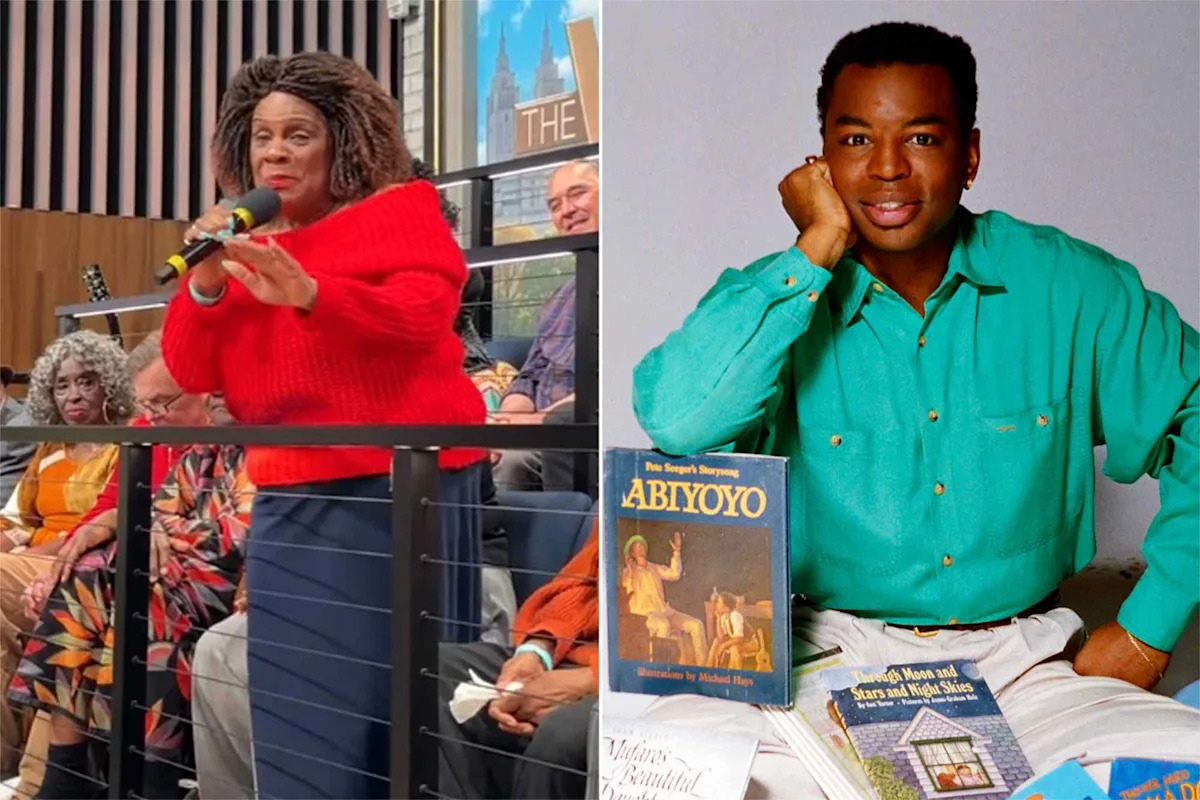
LeVar Burton, the iconic actor, producer, and author, has recently made headlines with his return to the beloved educational series Reading Rainbow. This milestone moment, captured during a special appearance on The View, highlights his enduring impact on children's education and media. Burton, best known for his role as the host of Reading Rainbow from 1983 to 1994, has long championed literacy and educational programming. His recent engagement with the show’s legacy underscores a growing concern about the future of public broadcasting and educational content.
During a recent episode of The View, Burton surprised the audience by sharing a poignant reflection on the cultural significance of Reading Rainbow. The segment, which featured the show’s original theme song performed by Tina Fabrique, showcased how this program revolutionized children’s access to literature and science. Burton emphasized the role of educational shows in fostering critical thinking and lifelong learning—a theme that remains relevant today as schools face increasing challenges with standardized testing and declining student engagement.
While celebrating the legacy of Reading Rainbow, Burton also addressed the critical issue of educational funding. In a separate statement, he criticized recent federal cuts to PBS and the rising trend of school book bans. These cuts, he argued, directly impact the accessibility of programs like Reading Rainbow that have historically provided free, high-quality educational content to millions of students. 'Without robust public funding, we lose not only the shows we love but also the opportunities for young people to explore knowledge,' Burton stated, highlighting the urgent need for sustainable models of education and media support.
How can educational programming combat the decline in public education funding?
As public funding for educational media declines, the role of shows like Reading Rainbow becomes even more vital. These programs have historically served as a bridge between academic learning and entertainment, offering engaging content that aligns with curricula. However, with the growing trend of book bans and shrinking budgets, the sustainability of such initiatives is at risk. This is where the legacy of Reading Rainbow offers valuable lessons: its success was built on collaboration between educators, producers, and communities to create content that resonates with diverse learners.
- Collaborative storytelling: Reading Rainbow featured interviews with authors, scientists, and artists, fostering a sense of community and interdisciplinary learning.
- Adaptive content: The show’s ability to evolve with changing educational standards ensured that it remained relevant for generations of students.
- Community engagement: By involving schools and families in its production, Reading Rainbow created a model for inclusive, student-centered education.
These strategies can inform modern efforts to revitalize educational programming. For instance, leveraging digital platforms to expand reach while maintaining the human element of storytelling can help sustain engagement. Additionally, advocating for policy changes that support public broadcasting is crucial for preserving the impact of programs like Reading Rainbow.
As Burton reflects on his career—from Roots to Star Trek—he underscores the importance of storytelling that empowers young people. His return to Reading Rainbow is not just a nostalgic trip down memory lane but a call to action for educators, policymakers, and communities to prioritize the future of educational media.