

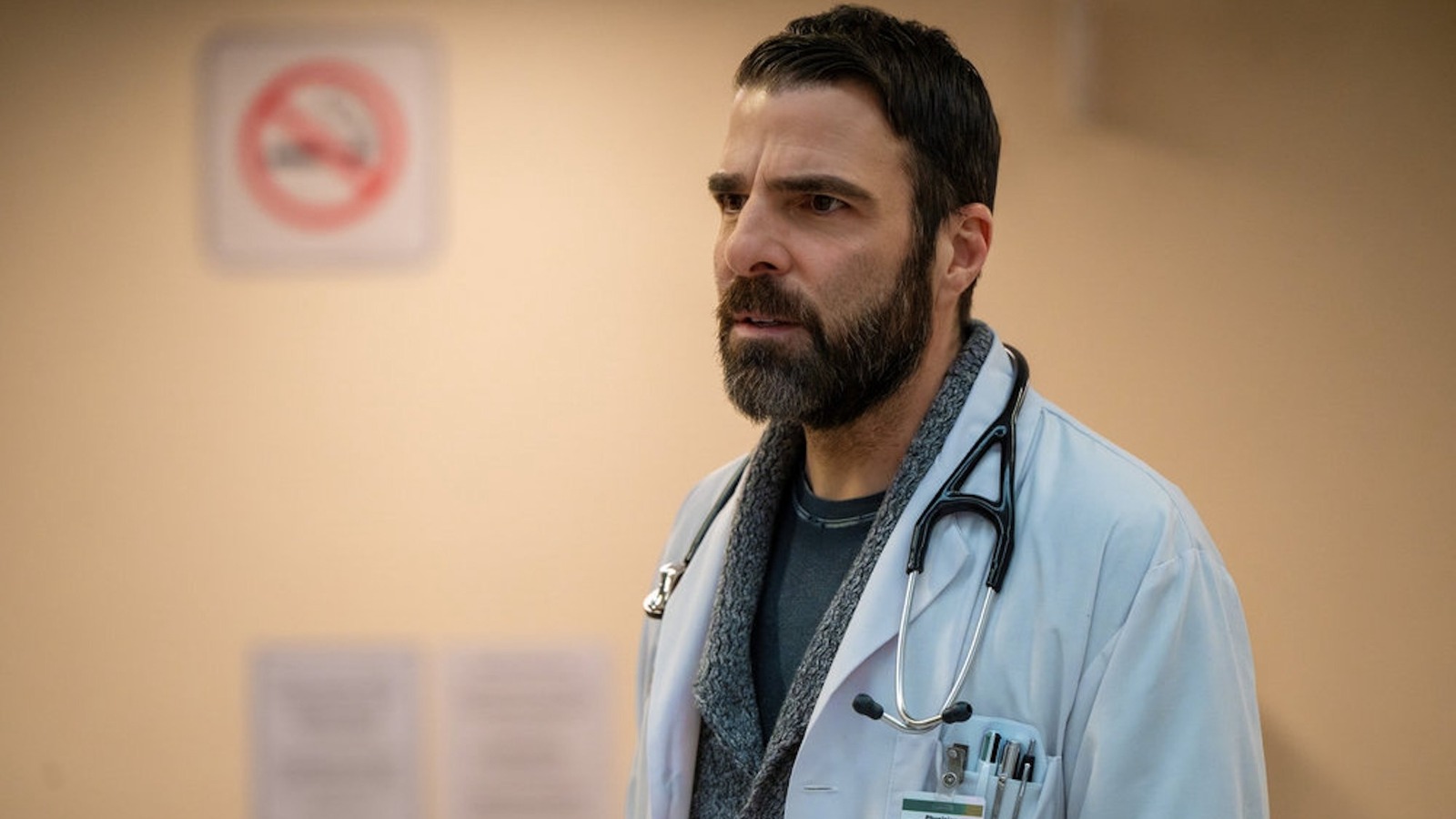
Breaking news from NBC’s 2026-27 season lineup reveals two significant cancellations: the medical drama 'Brilliant Minds,' starring Zachary Quinto, and the comedy 'Stumble,' led by Jenn Lyon. Both shows were canceled after just one or two seasons, marking a pivotal shift in the network’s programming strategy. This decision has sparked discussions about the evolving dynamics of TV storytelling and the challenges faced by niche genres.
Why Do These Shows Get Cancelled?
Unlike traditional network trends, NBC’s cancellation decisions are not solely based on ratings. Instead, they reflect a complex interplay of creative vision, audience expectations, and financial viability. 'Brilliant Minds' focused on a neurodivergent neurologist, a bold narrative choice that aimed to address critical gaps in medical representation. However, its second-season finale highlighted a stark contrast between the show’s ambitious storytelling and the broader audience’s evolving preferences.
Similarly, 'Stumble,' a comedy about high school cheerleaders, struggled to balance its humorous tone with the growing demand for authentic, relatable content. The show’s cancellation after one season underscores a broader industry shift toward more diverse and nuanced storytelling.
How Does This Fit the Current Media Climate?
- NBC’s strategic pivot toward more mature, character-driven narratives is evident in the shows that remain on the bubble, such as 'Law & Order' and 'Hunting Party.'
- Financial pressures and the need to maintain audience engagement have led networks to prioritize established formats over experimental concepts.
- The audience feedback loop between creators and viewers has become increasingly critical in deciding which shows thrive.
The cancellations of 'Brilliant Minds' and 'Stumble' highlight a critical juncture in television. While 'Brilliant Minds' aimed to challenge norms in medical storytelling, it faced challenges in scaling its narrative depth without alienating mainstream audiences. 'Stumble,' on the other hand, struggled with the delicate balance of humor and authenticity in a genre that’s increasingly demanding more sophisticated comedic timing.
The decision to cancel these shows also reflects a broader industry trend: networks are now prioritizing shows that can sustain long-term engagement, rather than those that push boundaries but lack mass appeal. As the TV landscape evolves, this shift could have lasting implications for creators who aim to innovate within the constraints of commercial viability.



