As immigration policies across the United States undergo rapid transformation, communities nationwide are adapting to a complex new reality. Recent changes in visa processing protocols and enforcement mechanisms have created ripple effects throughout local populations, particularly in regions with significant immigrant populations. This evolving landscape demands careful attention from both individuals and policymakers alike.
How Visa Reforms Impact Everyday Lives
The most immediate impact has been felt by applicants who now face stricter verification requirements during visa interviews. A recent federal directive requires applicants to answer two critical questions about their intended return to their home country. This shift has created confusion among many who previously assumed their status was straightforward.
Under this new policy, individuals expressing 'fear of returning to their country' will no longer be granted temporary visas. This change has significant implications for students, workers, and families who rely on these visa types for temporary stays. The policy aims to reduce unauthorized presence but has sparked debates about its practical implementation.
Who's Affected by the New Rules?
- International students and exchange visitors who plan to return to their home countries after studies
- Temporary workers with employment-based visas
- Individuals with family ties who may not have clear return intentions
These groups often find themselves at the crossroads of policy change and personal circumstances. Many are unsure how to navigate the new requirements without jeopardizing their status or future opportunities.
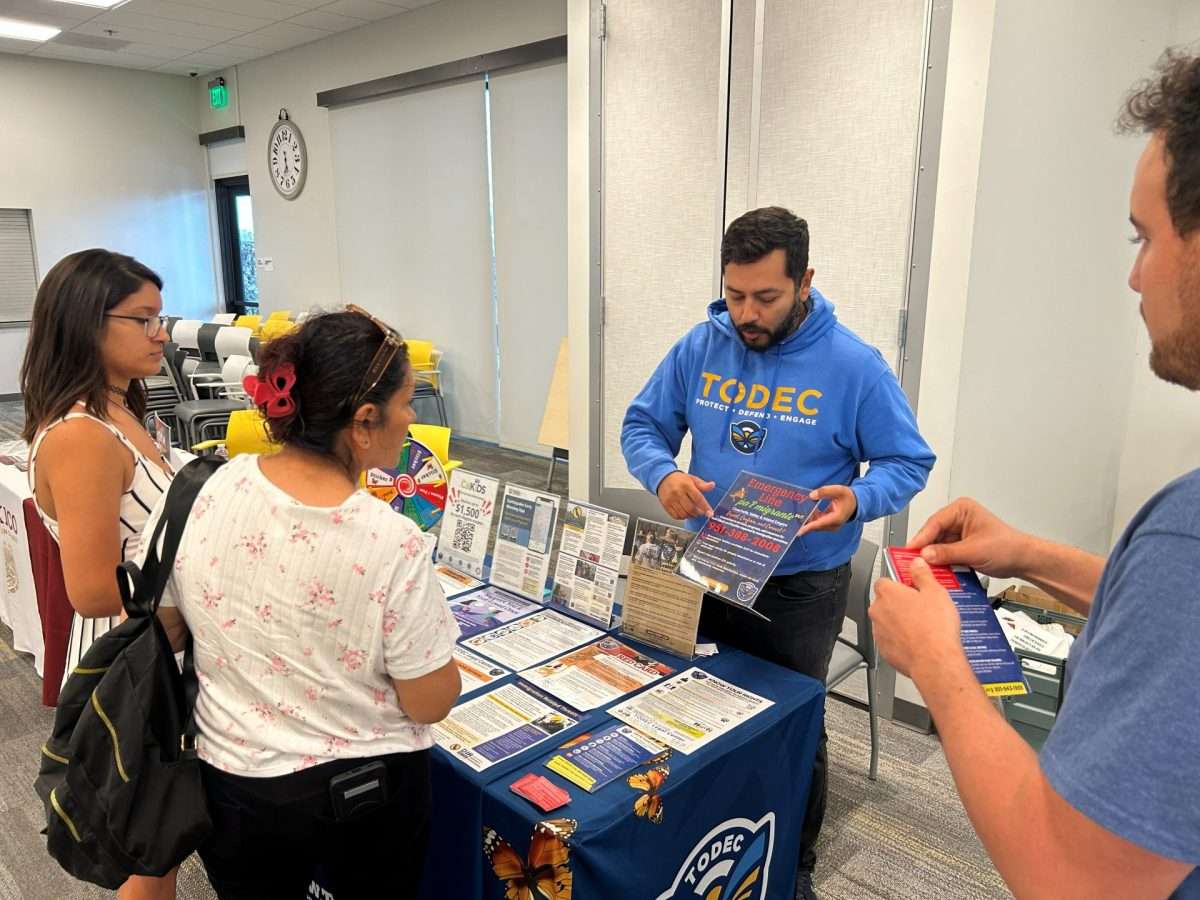
For communities like Imperial County, where immigrant populations form a significant portion of the local economy, these changes have particularly resonant effects. Local organizations such as Los Amigos De La Comunidad are stepping up to educate residents about their rights and the implications of these policy shifts.
Organizations like Los Amigos De La Comunidad are crucial in providing accurate information during times of policy uncertainty. They help individuals understand complex procedures and advocate for their rights within the changing system.
While the policy changes aim to strengthen border security and address longstanding concerns about unauthorized presence, they also highlight the need for clear communication channels between government agencies and affected communities. The success of these policies will depend on how well they balance security needs with the practical realities of immigrant communities.