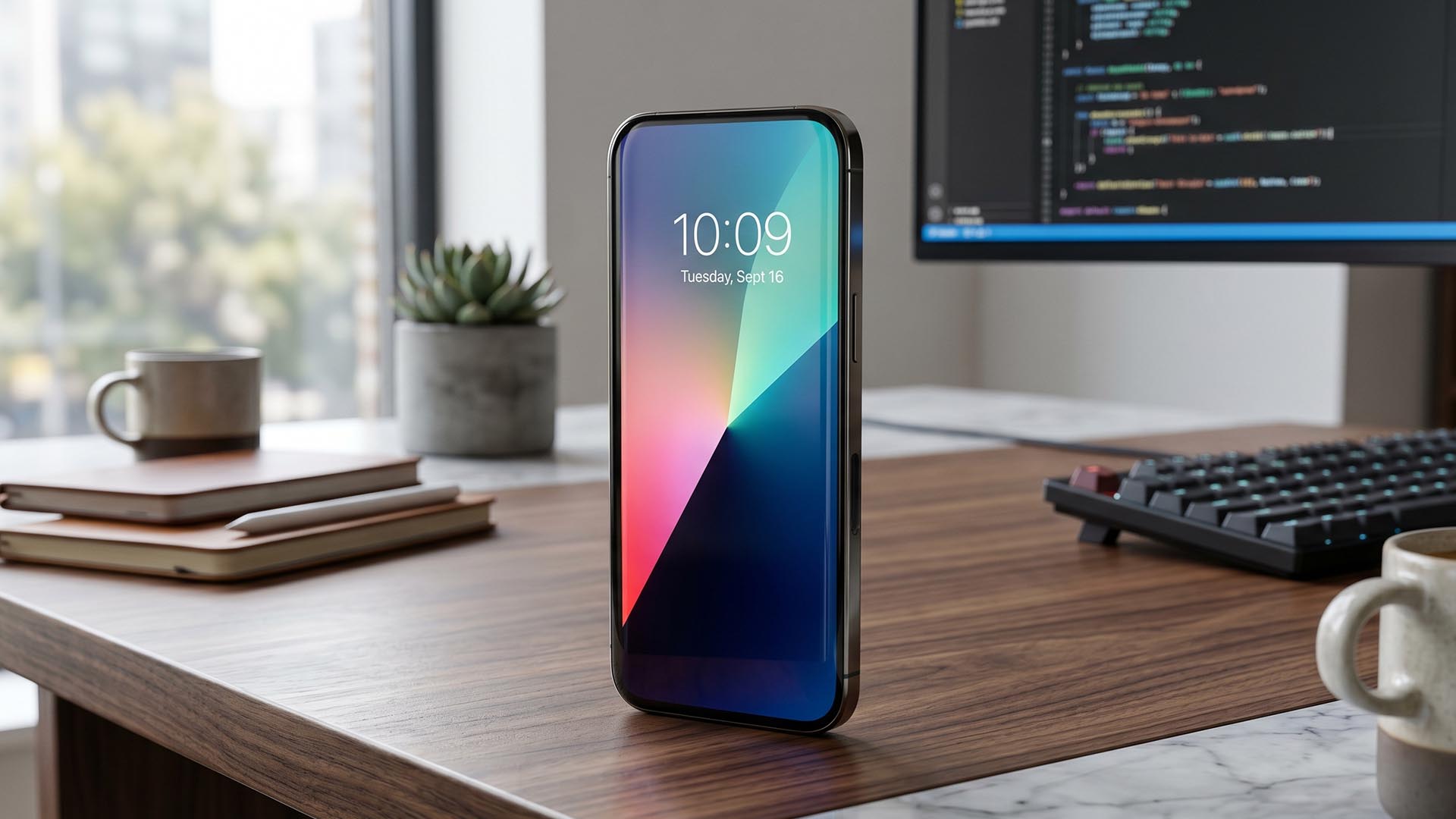
As the iPhone turns 20 this year, tech enthusiasts and analysts are buzzing about what the next generation might look like. The upcoming iPhone 20 is expected to follow a pattern of innovation, but supply chain issues and strategic decisions could redefine its accessibility.
The most immediate concern is the potential impact of an exclusive OLED deal with Samsung Display. Recent reports suggest Samsung Display is poised to secure a major exclusive deal for the iPhone 20’s display, which could significantly influence pricing. This exclusive partnership, while critical for the quality of the display, may also amplify costs due to limited production capacity.
How Will the OLED Deal Affect Pricing?
Apple has historically maintained a diversified supply chain to mitigate risks. However, with the iPhone 20 potentially relying on a single OLED supplier, the financial implications could be severe. The 20th anniversary model is expected to feature a larger, higher-resolution display, which is a key selling point for premium users.
Analysts note that the cost of OLED displays has been rising steadily, and an exclusive deal with Samsung Display could push the price of the iPhone 20 to a new high. This could mean that the device might become out of reach for many consumers, particularly those in lower-income markets.
- Exclusive OLED deals often lead to higher production costs for the manufacturer.
- High demand for premium displays drives up the cost per unit.
- Supply chain disruptions can result in delayed product launches, affecting market readiness.
With the iPhone 20 expected to have a more premium design, the balance between innovation and affordability could be a focal point for Apple’s strategy.
Why Is the Design a Critical Factor?
Another key development is the rumored design change for the iPhone 20. Sources indicate that the 20th anniversary model will likely adopt the design seen in the iPhone 19 Pro models. This design shift could be a strategic move to maintain consistency across the Pro line, ensuring a cohesive visual experience for users who prioritize premium features.
This change is not just aesthetic—it’s a critical step in Apple’s strategy to differentiate the Pro models from the standard models. The Pro series has been a key revenue driver for Apple, and the 20th anniversary model might further cement this strategy.
However, the design change could also mean higher production costs, which might translate into higher prices for consumers. The challenge for Apple is to balance the premium design with the affordability that has historically made the iPhone accessible to a global audience.
Looking ahead, the iPhone 20’s launch is a pivotal moment for Apple. The company has been focusing on sustainability and innovation, but the 20th anniversary model could face pressure to address affordability concerns. With the iPhone 20 expected to feature a larger display, the impact of the OLED deal on pricing could be a significant factor.