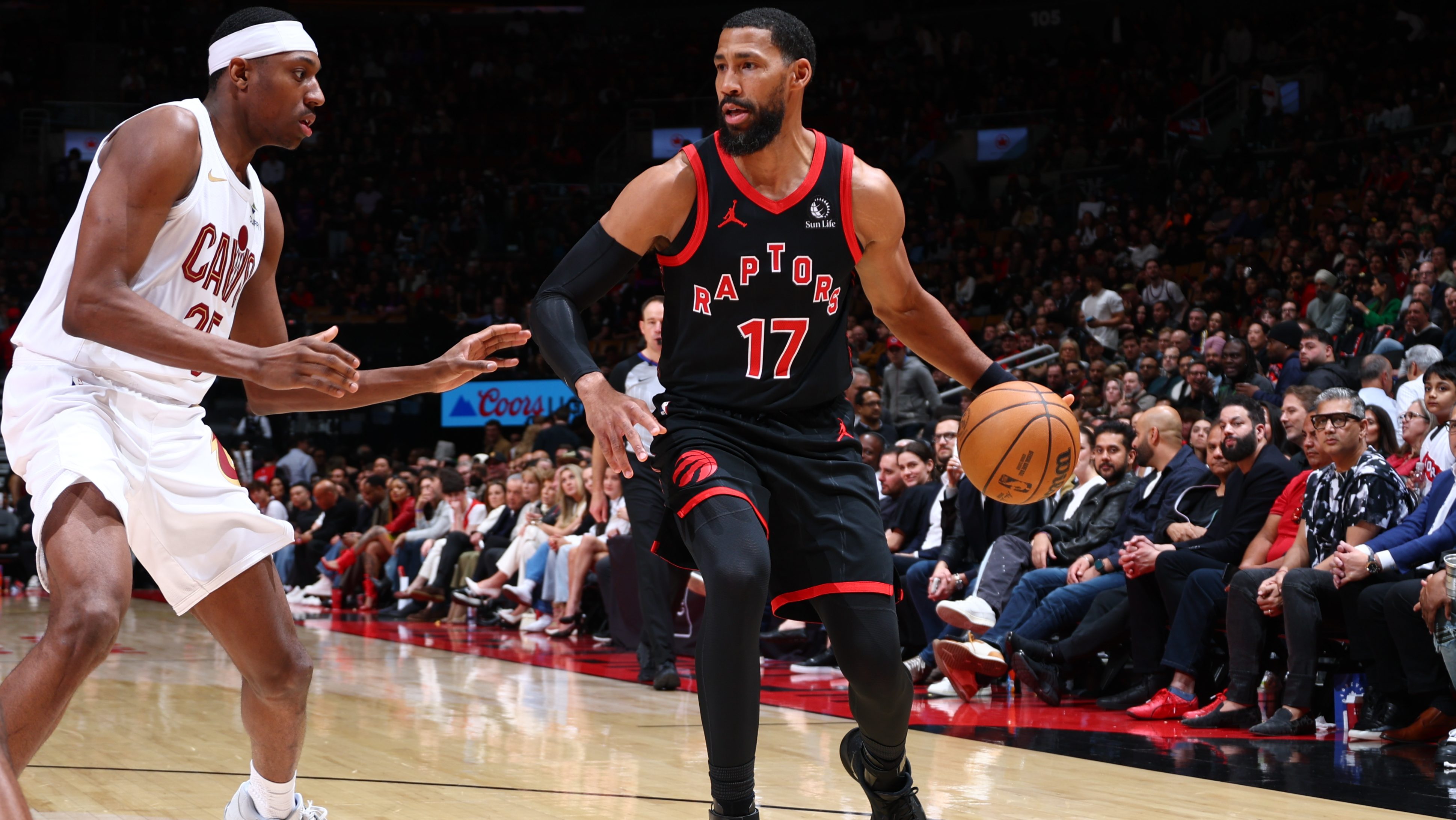
Garrett Temple’s journey from an undrafted rookie to a pivotal figure in the Toronto Raptors' success reveals a story of resilience and mentorship that transcends traditional basketball analytics. At 39, Temple has become the fourth-oldest player in the NBA, yet his impact on the team’s culture and performance remains understated. This narrative isn’t just about statistics—it’s about the human element that shapes a championship-caliber organization.
How Does a Veteran Player Become the Secret Weapon?
When the Raptors’ general manager, Bobby Webster, described Temple as ‘invaluable,’ he wasn’t referring solely to on-court contributions. Temple’s role as a mentor has evolved into a strategic asset for the team’s developmental pipeline. Three years ago, Webster admitted they lacked a strong personal connection with Temple, but today, his influence is critical to the team’s growth trajectory. This evolution highlights how leadership beyond scoring can redefine a franchise’s identity.
Temple’s value stems from his unique position as a veteran who understands the pressures of professional basketball at a time when the league is increasingly prioritizing player development over pure athleticism. His experience with the 2016 NBA Draft—the year he went undrafted—has shaped his approach to coaching younger players. Unlike many veterans who focus on their own careers, Temple channels his expertise into creating a sustainable culture for emerging talent.
What Makes Temple’s Mentorship So Effective?
- Emotional intelligence: Temple’s ability to connect with players on a personal level, especially in high-stress situations like Game 7s, has been pivotal to the Raptors’ playoff resilience.
- Strategic patience: His understanding of the game’s nuances allows him to guide players through critical decision-making without overwhelming them.
- Adaptability: Having navigated the challenges of an undrafted career, Temple emphasizes flexibility in both training and competition.
Temple’s mentorship isn’t just tactical—it’s cultural. In a league where team chemistry often determines playoff success, his role as a stabilizing force has become a model for modern franchises. The Raptors’ ability to integrate veterans like Temple into their long-term development strategy demonstrates a shift in how teams think about player value.
As the NBA moves toward more data-driven approaches, Temple’s approach to mentorship offers a counterpoint: the importance of human connection in a sport that often prioritizes metrics. His story shows that true leadership isn’t measured in points or rebounds but in the lasting impact on those around you.