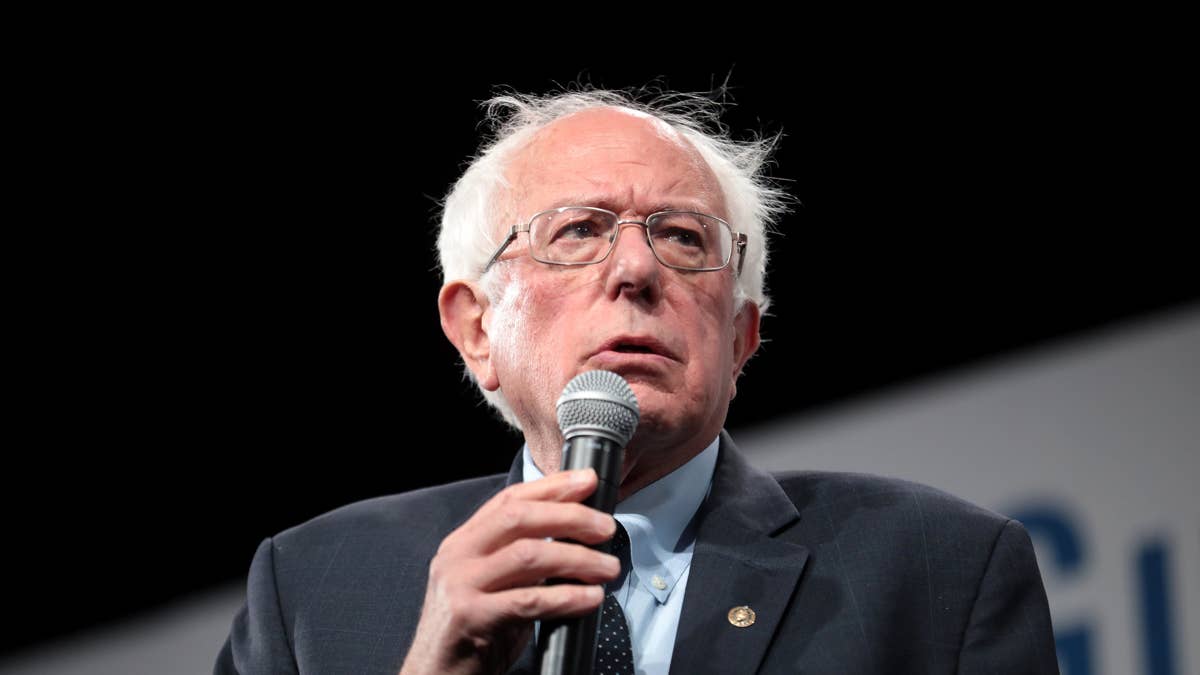
Bernie Sanders, the U.S. Senator and self-described 'congressional progressive,' has mobilized a coalition of progressive activists and leaders in Rochester, New York, to address the growing crisis of inequality in America. The 'Fighting Oligarchy' tour, which he launched in response to the deepening economic disparities and systemic barriers faced by low- and middle-income families, has gained significant traction across the country. This weekend's rally in Rochester marks a pivotal moment in Sanders' efforts to push for systemic change through policy reform and grassroots mobilization.
At the event hosted at John Marshall High School on Saturday, May 1, 2026, Sanders emphasized that fighting inequality requires more than just opposition to Donald Trump. He argued that the Democratic Party must undergo structural reforms to address the root causes of economic disparity. 'It is not enough to be anti-Trump,' Sanders stated, 'we must transform the party from within to ensure that policies reflect the needs of working-class families and marginalized communities.' This message resonates deeply with progressive advocates who have long advocated for bold action on issues like the cost of living crisis, healthcare access, and racial justice.
The rally also featured prominent figures like New York's Lieutenant Governor Peggy Flanagan, a leader known for her work on economic equity and affordable housing initiatives. Flanagan has been a vocal advocate for policies that address the intersection of poverty and systemic discrimination, and her participation signals a growing alignment between progressive leaders and grassroots movements. Together, they aim to build a coalition that can drive meaningful policy changes at the state and federal levels.
Why is this rally so significant for the progressive movement?
Sanders' focus on inequality has become a defining feature of his political strategy. Unlike previous presidential campaigns that centered on economic policies alone, this initiative has shifted the conversation toward a broader, more comprehensive approach to addressing the root causes of inequality. The 'Fighting Oligarchy' tour has been instrumental in highlighting the urgent need for systemic change, particularly in the context of rising inflation and stagnant wages.
- Cost of Living Crisis: Millions of Americans are struggling with basic necessities like food, housing, and healthcare due to rising prices and stagnant wages.
- Healthcare Access: Over 27 million Americans lack adequate healthcare coverage, highlighting the need for universal healthcare reforms.
- Income Disparity: The top 1% now owns more than 45% of the nation's wealth, a stark contrast to the 1970s when this group held just 10%.
By framing the fight against inequality as a critical component of progressive policy, Sanders has positioned himself as a leader who understands the complexities of modern economic challenges. His collaboration with figures like Flanagan demonstrates a growing consensus among progressive leaders that economic inequality is not just a policy issue but a moral imperative.
However, critics argue that the 'Fighting Oligarchy' initiative risks becoming a tactical distraction from more pressing issues like national security and economic stability. They suggest that focusing too much on inequality could divert attention from the immediate challenges facing the country, such as job losses and inflation.
Despite these concerns, the rally in Rochester has drawn strong support from grassroots organizations, student groups, and community leaders who see it as a critical step toward addressing the deepening crisis of inequality. The event has also sparked a broader conversation about the role of political movements in driving systemic change and the importance of policy reform in addressing the root causes of economic disparity.