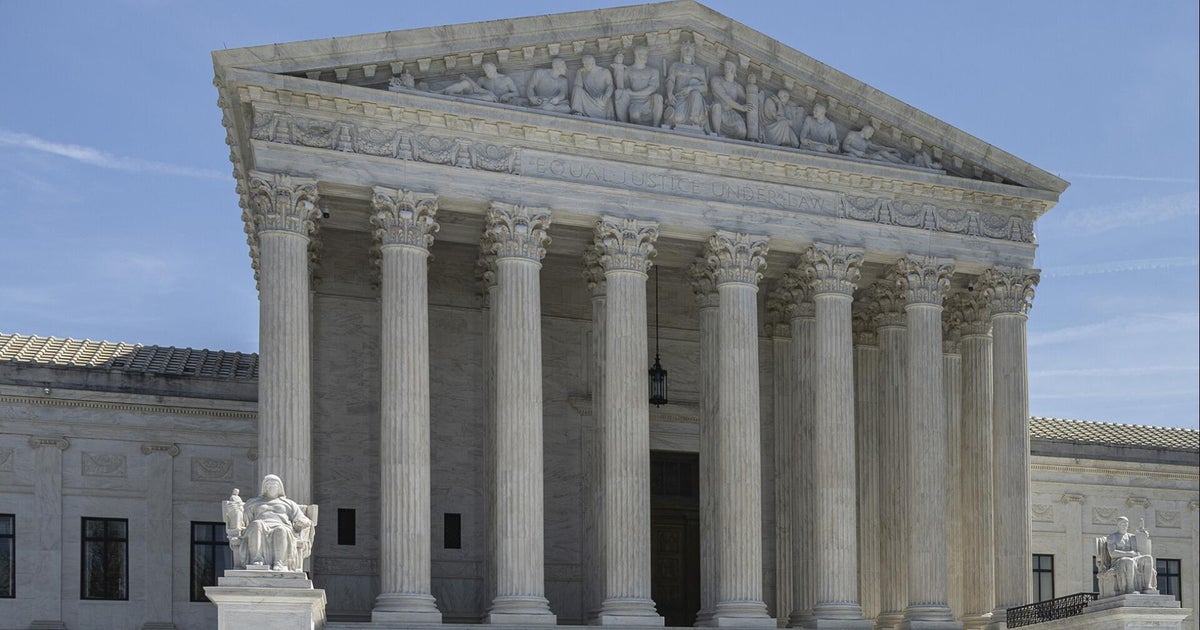
Following the Supreme Court's recent decision to narrow the Voting Rights Act, states across the South, particularly Tennessee and Alabama, have initiated urgent efforts to revise their congressional district maps. These actions, driven by concerns over electoral fairness and strategic political advantages, mark a pivotal moment in the evolving landscape of redistricting. The move reflects broader tensions between federal oversight and state autonomy in shaping electoral boundaries.
How Tennessee and Alabama Are Responding to the Supreme Court Ruling?
The immediate response from both states has been swift. In Tennessee, Governor Bill Lee has convened a special session of the state legislature to redraw the state’s U.S. House map, aiming to create a configuration that favors Republican candidates. This decision, made public on Friday, is part of a larger pattern of state-level actions following the Supreme Court’s ruling, which has removed federal oversight of voting practices in certain regions.
Alabama, similarly, has activated its own special session to address congressional district boundaries. The state’s Republican leadership argues that the Supreme Court decision allows them to reshape electoral districts without federal interference, ensuring that their state’s electoral outcomes align with their political goals. This coordinated effort highlights the growing influence of state-level maneuvering in shaping national electoral outcomes.
What Does This Mean for Future Elections?
Analysts suggest that this shift could lead to more significant political realignments. With the Supreme Court’s ruling, states that previously relied on federal standards for redistricting now have greater flexibility to adjust their district lines. This flexibility, while beneficial for states that seek to optimize their electoral outcomes, raises concerns about potential gerrymandering and the long-term impact on voter representation.
- Increased political polarization: States with strong partisan leanings may use this opportunity to create districts that benefit their party’s candidates, potentially deepening divisions.
- Longer-term electoral stability: A more stable, less contested political environment could emerge as states refine their maps to reflect demographic shifts.
- Legal challenges: The Supreme Court’s decision has opened the door for further litigation, as states and federal entities contest the implications of the ruling on future redistricting.
The implications of these actions extend beyond immediate political gains. For instance, in Tennessee, the Republican-controlled legislature has already begun discussions about reconfiguring districts to ensure that the state’s U.S. House delegation remains fully aligned with their party’s platform. This is particularly significant given that Tennessee currently has one of the few congressional districts that is currently held by a Democratic representative.
As the redistricting process unfolds, it will be critical to monitor how these changes affect voter turnout and representation. The Supreme Court’s decision has created a window for states to act decisively, but it also introduces risks of unintended consequences, such as reduced voter participation in certain regions.