Decolonizing Knowledge: How the World Decolonization Forum is Redefining Global Scholarship

Editor 04 May, 2026 ... min lectura

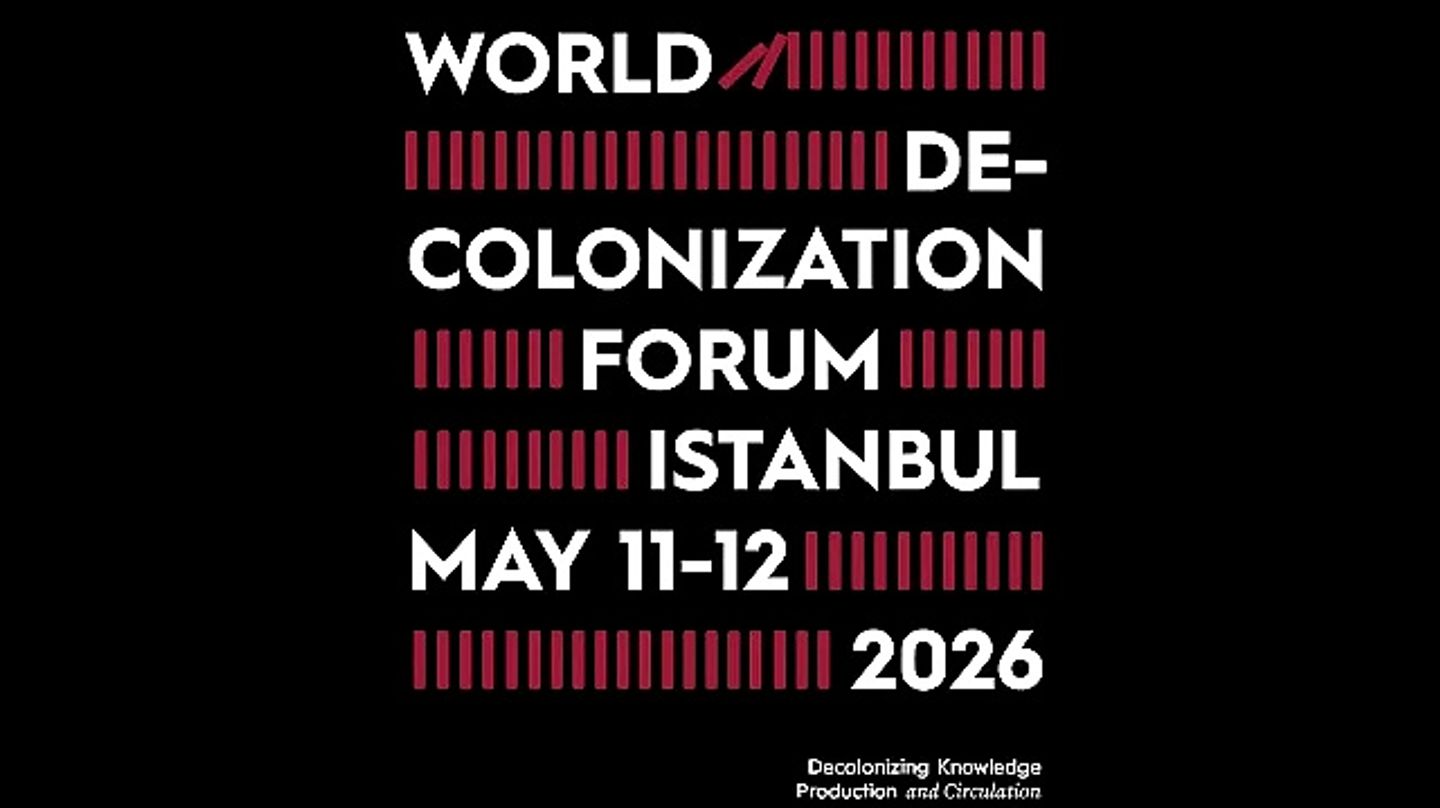
The World Decolonization Forum, set to convene in Istanbul on May 11-12, 2026, represents a pivotal moment in the global academic landscape. This initiative, spearheaded by the Institute Social, aims to dismantle colonial frameworks that have long shaped knowledge production and distribution. As the Decolonizing Knowledge Production and Circulation Forum is now a key platform for critical dialogue, its implications extend far beyond academic circles to reshape how we understand global knowledge systems today.

At the heart of this movement lies a growing recognition that colonialism's legacy continues to influence academic hierarchies and institutional power. Historically, knowledge systems from the Global South have been marginalized in favor of Eurocentric models, leading to a siloed academic ecosystem where innovation often reflects Western perspectives. The World Decolonization Forum addresses this imbalance head-on by spotlighting indigenous epistemologies and alternative methodologies. For example, participants will explore how African oral traditions, Indigenous knowledge systems, and non-Western frameworks can inform sustainable development and equitable policy-making.

Can the World Decolonization Forum truly break free from Western academic dominance?

Participants from over 30 countries will engage in sessions that challenge the very foundations of how knowledge is generated, validated, and disseminated. By focusing on the colonial legacies embedded in modern academic practices, the forum provides a space for critical reflection on who controls the narrative. This is not merely a theoretical exercise but a practical response to real-world challenges, such as climate change and resource allocation.

  • Indigenous knowledge systems will be highlighted as vital resources for addressing environmental crises
  • Non-Western epistemologies will be integrated into global policy frameworks
  • Collaborative research models will prioritize community-led solutions over top-down approaches

The Al Jazeera Centre for Studies (AJCS) is a key participant in this initiative, bringing its expertise in critical media studies and decolonial theory to the forefront. Their involvement underscores the growing recognition that knowledge production must be inclusive and responsive to diverse cultural contexts.

One of the forum's most significant contributions is its focus on knowledge circulation—how information moves across borders and who benefits from that flow. For instance, the forum will examine case studies where local knowledge systems have successfully integrated with global platforms to create more equitable outcomes. This shift is critical for addressing issues like data colonialism, where marginalized communities lose control over their own data.

As the world grapples with increasing geopolitical tensions and uneven access to knowledge, the World Decolonization Forum offers a practical roadmap for reform. By centering voices from the Global South, it challenges the notion that academic excellence is synonymous with Western-centric models. Instead, it promotes a more holistic understanding of knowledge that respects historical and cultural contexts.