The Myth of Kamikaze Dolphins: What the US Navy Really Uses in Military Operations

Editor 10 May, 2026 ... min lectura

For decades, the idea of 'kamikaze dolphins' has circulated as a sensationalized myth, often conflating historical Japanese naval tactics with modern military applications. This misconception has led to confusion about whether marine mammals are truly used in combat zones by forces like the US Navy. Understanding the truth requires a clear distinction between historical context and contemporary practices.

Originating from the Japanese term 'kamikaze'—meaning 'divine wind'—this phrase historically described the sudden, catastrophic winds that spared the Japanese fleet from destruction during World War II. The term was later adopted by the Japanese navy to describe the suicide attacks by pilots. In modern usage, 'kamikaze dolphins' refers to a fictional concept where dolphins are trained to dive into enemy ships, a notion that has no basis in reality.

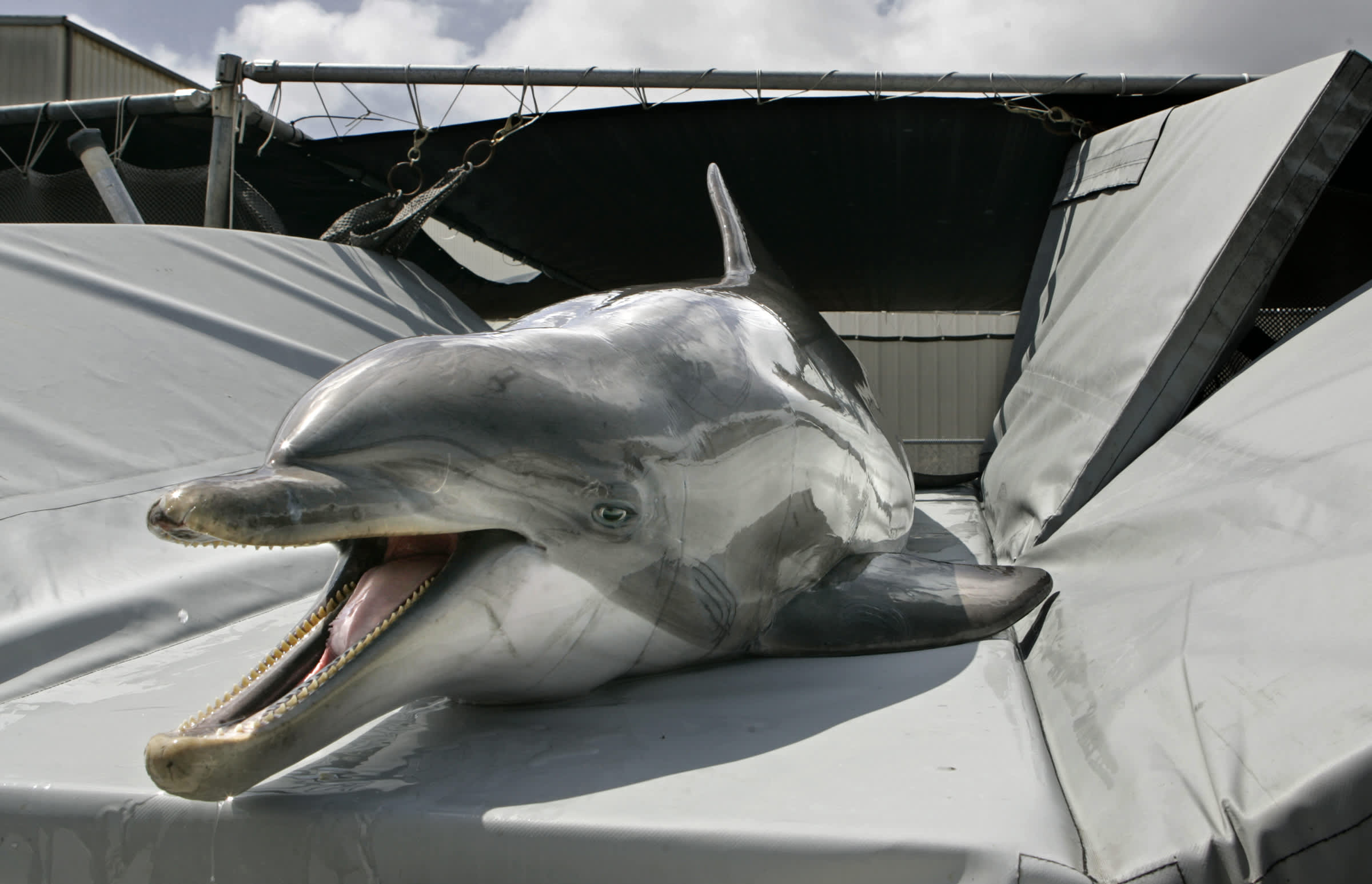
The US Navy has never trained dolphins to perform kamikaze-style attacks. Instead, dolphins have been used for non-lethal, non-combat roles such as detecting underwater mines and mapping the seafloor. These operations occur in controlled environments like training facilities, not in active conflict zones like the Strait of Hormuz. The confusion stems from a mix-up between the historical term 'kamikaze' and the actual use of dolphins in naval operations.

Why the Misconceptions Persist

One key reason for the myth's longevity is the overlap in terminology. The term 'kamikaze' has been misapplied to marine mammals, leading to a false narrative that the military uses dolphins in high-risk scenarios. For instance, the US Navy has deployed dolphins in the past to detect underwater obstacles, but this is distinct from 'kamikaze' tactics, which involve deliberate, suicidal attacks.

  • The US Navy has used dolphins for tasks such as identifying shipwrecks, mapping underwater terrain, and detecting submerged objects.
  • Dolphins are trained to respond to specific signals, like hand gestures or sounds, which helps in navigating hazardous areas.
  • These operations are conducted in safe, non-combat zones, such as naval bases, not in active war zones like the Strait of Hormuz.

Secretary of Defense Pete Hegseth has addressed this confusion directly, stating, 'I cannot confirm or deny whether we have kamikaze dolphins, but I can confirm they don't.' This clarifies that the term 'kamikaze dolphins' is a myth, not a real military practice.

Another common misconception is that Iran has 'kamikaze dolphins.' This idea has been debunked by military experts, who emphasize that Iran has no such program. The term 'kamikaze' is not associated with any country’s naval forces, including Iran’s.

It’s important to recognize that while dolphins have been part of military operations historically, they are never deployed in active combat zones. The use of dolphins in naval operations is limited to non-lethal, supportive roles, and they are never trained to carry out kamikaze-style attacks.