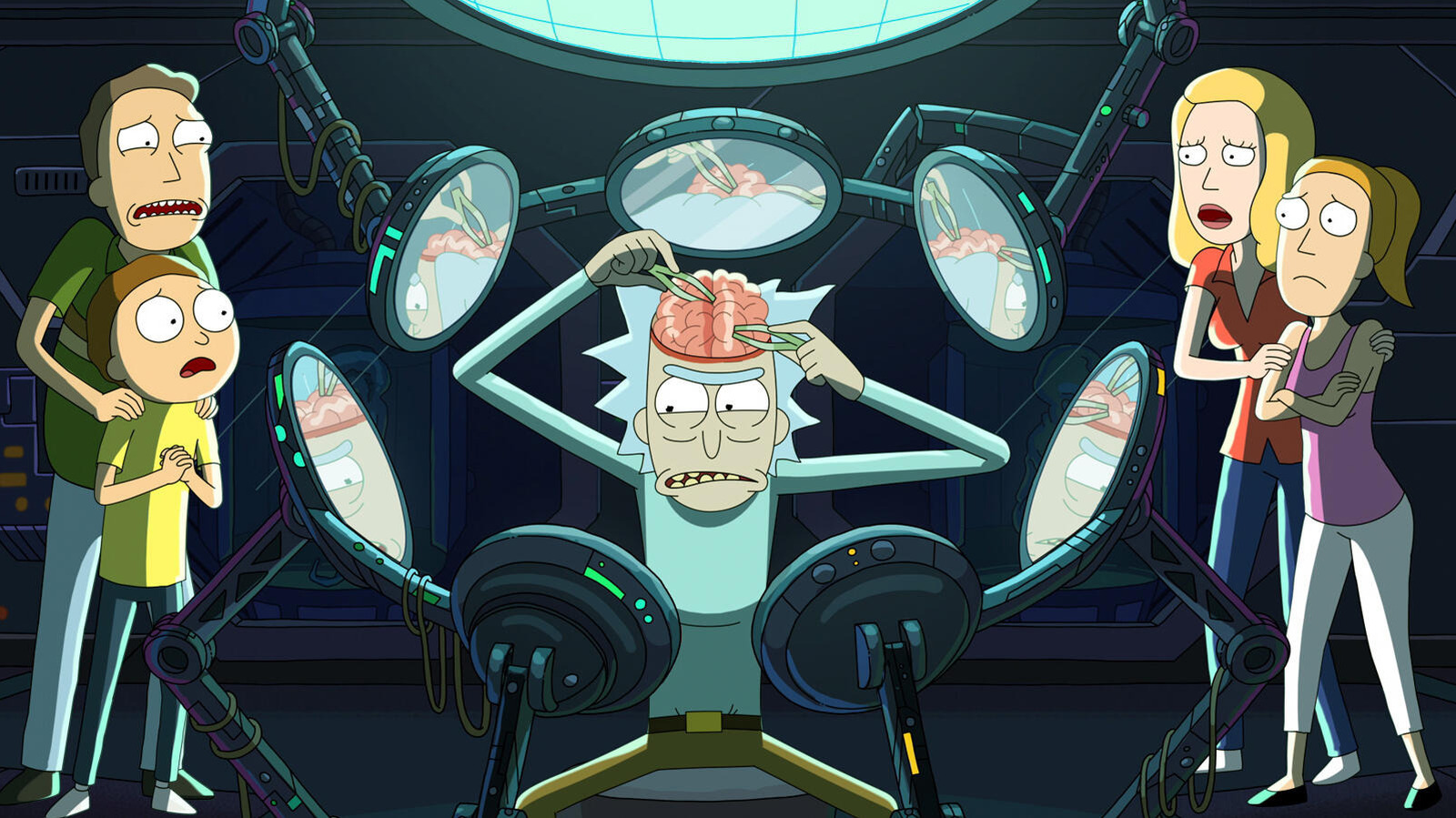
When Dan Harmon, the visionary behind Rick and Morty, discussed the concept of 'canon' during Adult Swim’s recent creators roundtable, he didn’t just critique television storytelling—he redefined it. The animated series, which has captivated millions with its absurdist humor and sci-fi chaos, has always operated outside traditional narrative constraints. Harmon’s take on canon isn’t just a stylistic choice; it’s a philosophical stance that challenges how we understand continuity in serialized content.
The ‘Rick and Morty’ universe thrives on intentional contradictions. From the show’s early seasons, Harmon has woven in meta-commentary and narrative subversion to mirror real-world anxieties about technology and identity. This approach, which critics once dismissed as 'unruly,' has become a cornerstone of modern animation. Harmon’s insistence on 'not having a canon' is more than a joke—it’s a deliberate strategy to keep the show fresh and relevant.
Can ‘Rick and Morty’ Have Canon? The Question That Reshapes Storytelling
At the Adult Swim L.A. Roundtable, Harmon emphasized that the show’s lack of a rigid canon is a feature, not a bug. He argued that rigid continuity often stifles creativity, especially in shows that rely on rapid, unpredictable shifts in tone and plot. This perspective aligns with his broader philosophy: ‘The best shows don’t follow rules—they evolve with them.’
- Early season experiments with non-linear storytelling and character backstories that contradict later events
- Meta-narrative layers where characters interact with their own fictional universe
- Character-driven chaos that prioritizes emotional truth over traditional plot coherence
Harmon’s approach has sparked debates about the role of 'canon' in television. Unlike traditional TV, where continuity is often seen as a tool for engagement, Rick and Morty uses it as a vehicle for deeper commentary on societal issues. For instance, the show’s recurring theme of 'safety' through absurdity—like Rick’s reckless experiments or Morty’s mundane existence—mirrors real-world struggles with control and unpredictability.
The implications of this philosophy extend beyond Rick and Morty. Harmon’s work with Community and other projects shows that a 'non-canonical' approach can foster innovation without sacrificing audience connection. By embracing contradictions, the show avoids the pitfalls of 'over-polished' storytelling, which often leads to stagnation.
As the industry shifts toward more experimental forms of storytelling, Harmon’s stance on canon offers a blueprint for creators who want to prioritize authenticity over rigid structures. His argument isn’t just about Rick and Morty—it’s about how television can evolve to reflect the chaotic, ever-changing nature of human experience.