As the Giro d'Italia 2026 unfolds, the race has become a spectacle of dramatic contrasts—where high-stakes crashes, historic breakthroughs, and the relentless pursuit of excellence collide on the mountainous roads of Italy. With the opening stages already delivering shockwaves across the cycling world, the 2026 edition promises to be one of the most pivotal and unpredictable chapters in the Tour's storied history.
The race kicked off with a stunning display of speed and strategy, particularly in the second stage, where Uruguayan cyclist Guillermo Thomas Silva made history. His dramatic sprint finish in a tight finish in Veliko Tarnovo not only marked the first time an athlete from Uruguay has claimed victory in the Giro but also highlighted the growing global competitiveness of the event. Silva’s win, achieved under intense pressure and tactical precision, has electrified fans worldwide and set a new benchmark for emerging talent in professional cycling.
How Much Can a Crash Cost?
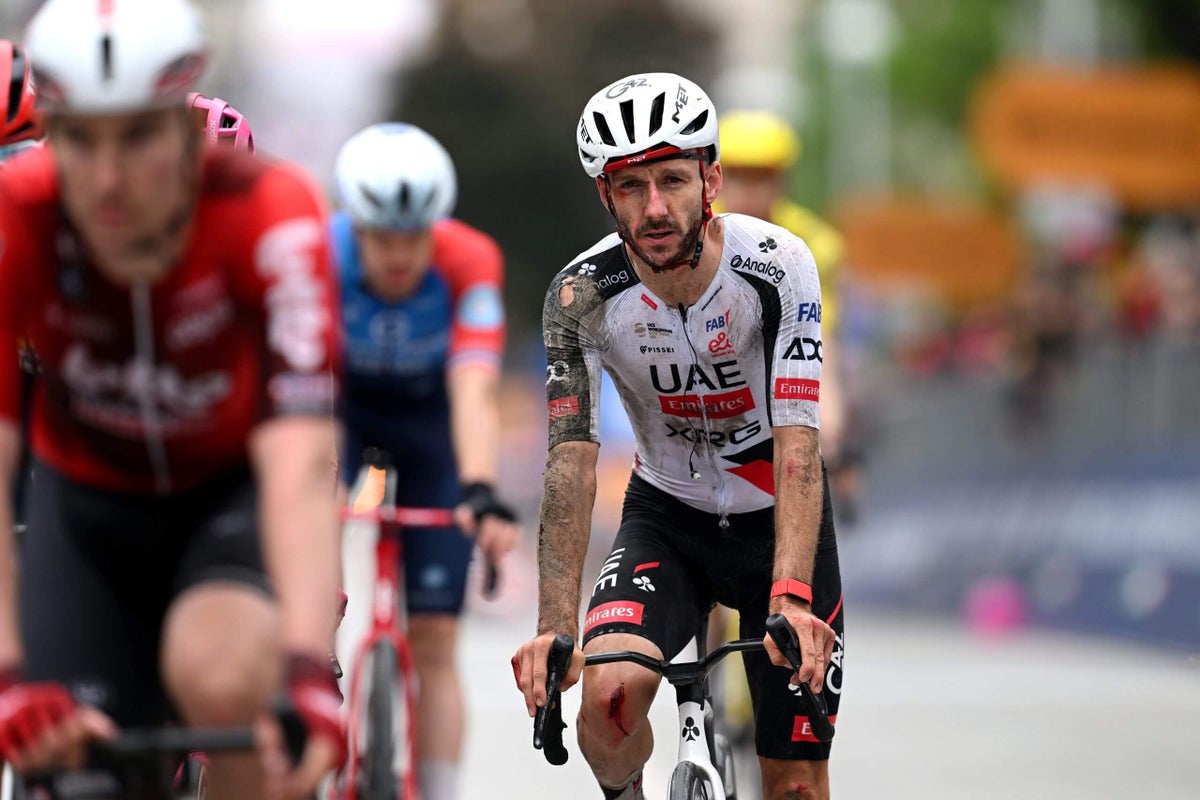
However, the race’s narrative has been deeply disrupted by a near-disastrous incident involving British cyclist Adam Yates. After a major crash during stage 2, Yates was forced to withdraw from the competition due to suspected concussion symptoms. This incident, which saw him lose over 13 minutes in the mass incident at Veliko Tarnovo, has raised critical questions about safety protocols and the physical toll of high-speed racing.
- Yates’ crash has sparked discussions about the need for improved safety measures on the race route, especially in areas prone to high-impact collisions.
- The incident has also highlighted the risks faced by elite athletes when dealing with sudden, unforeseen trauma.
- Yates’ withdrawal underscores the importance of post-accident medical protocols and the challenges of balancing race participation with athlete safety.
The situation has not only affected Yates personally but has also reshaped the dynamics of the race, with other competitors adapting to the sudden absence of a key contender. This incident has prompted calls for better preparation and more robust emergency response systems, especially in high-risk areas like the Alpine regions where the race often takes place.
As the Giro d'Italia 2026 progresses, the race continues to showcase the human element of cycling—a blend of calculated risk, raw talent, and the unpredictability of the sport. The second stage has already set the tone for a race that will test not only the riders' physical limits but also their mental resilience.