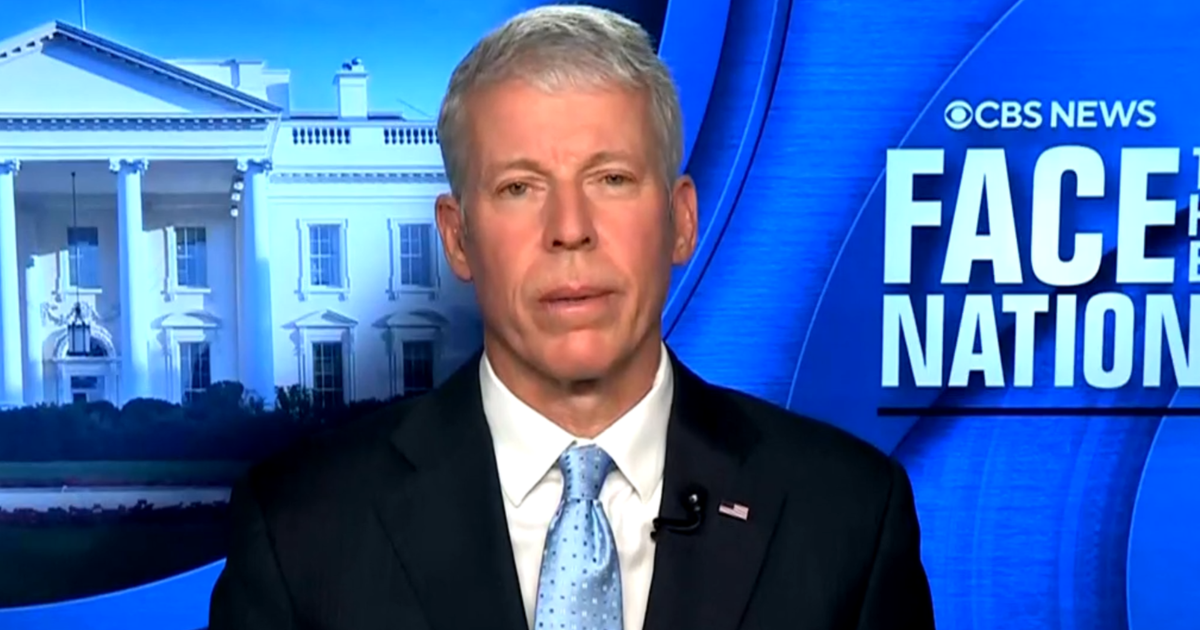
As the U.S. energy sector faces unprecedented volatility, Energy Secretary Chris Wright has emerged as a pivotal figure in steering the nation's approach to global oil markets and geopolitical tensions. His recent interview on Face the Nation with Margaret Brennan on May 10, 2026, revealed a strategic pivot in U.S. energy policy that has immediate implications for market stability and international relations.
Is the U.S. Ready to Reconcile with Iran? A Critical Question for Energy Policy
In a candid discussion, Wright emphasized that the U.S. is actively pursuing diplomatic channels to address the ongoing conflict between Washington and Tehran. He highlighted that recent talks between the U.S. and Iran have reached a critical juncture, with oil prices dropping below $100 per barrel—a significant shift from the previous $120 peak in early 2026. This development, as reported by AP, signals a potential easing of tensions in the Persian Gulf, which could reshape global energy dynamics.
- Market Impact: Brent crude prices fell to $98.50 per barrel, reflecting optimism about an imminent U.S.-Iran deal that would stabilize regional supply chains.
- Diplomatic Progress: Wright noted that diplomatic efforts are moving beyond the initial setbacks, with both sides showing increased willingness to compromise on key issues like sanctions relief and joint oil production.
- Geopolitical Strategy: The U.S. is now prioritizing energy security through diversified supply chains, reducing reliance on single-source oil imports from the Middle East.
The decline in oil prices has created a unique opportunity for the U.S. to enhance its energy independence while addressing the fallout from the recent Iranian crisis. Wright stressed that this pivot is not just about economic stability but also about long-term energy security and reducing the risk of regional conflicts.
Historically, the U.S. has often relied on oil imports from the Middle East, but recent shifts in policy have begun to focus on domestic production and alternative energy sources. This transition is critical as the nation faces pressure to balance economic growth with environmental sustainability. Wright’s leadership in this context is vital for navigating the complex interplay between energy markets, international diplomacy, and national security.
One of the most significant challenges ahead is ensuring that the U.S. can maintain its global leadership in energy while adapting to a rapidly changing geopolitical landscape. Wright’s focus on transparency and collaboration with international partners is a key factor in this effort. The upcoming negotiations with Iran could set a precedent for resolving similar conflicts in the future, particularly in a world where energy security is increasingly intertwined with diplomatic stability.
As the U.S. continues to navigate these challenges, the role of the Energy Secretary is becoming more prominent. With oil markets fluctuating and geopolitical tensions rising, Wright’s ability to coordinate effectively across multiple fronts will be crucial in shaping the nation’s energy future.