Fiji's Ocean Guardians: How Conservation and Luxury Are Redefining Sustainable Tourism

Editor 11 May, 2026 ... min lectura

At the heart of Fiji's identity lies a dynamic interplay between its vibrant marine ecosystems and the rising demand for eco-conscious luxury travel. As climate change intensifies, the nation's coastal communities and tourism industry are redefining what it means to balance conservation with high-end experiences. This transformation isn't just about preserving natural wonders—it's about creating a future where travel itself becomes part of the solution.

Can Luxury Travel Really Save the Ocean? A Closer Look at Fiji's Waterfront Revolution

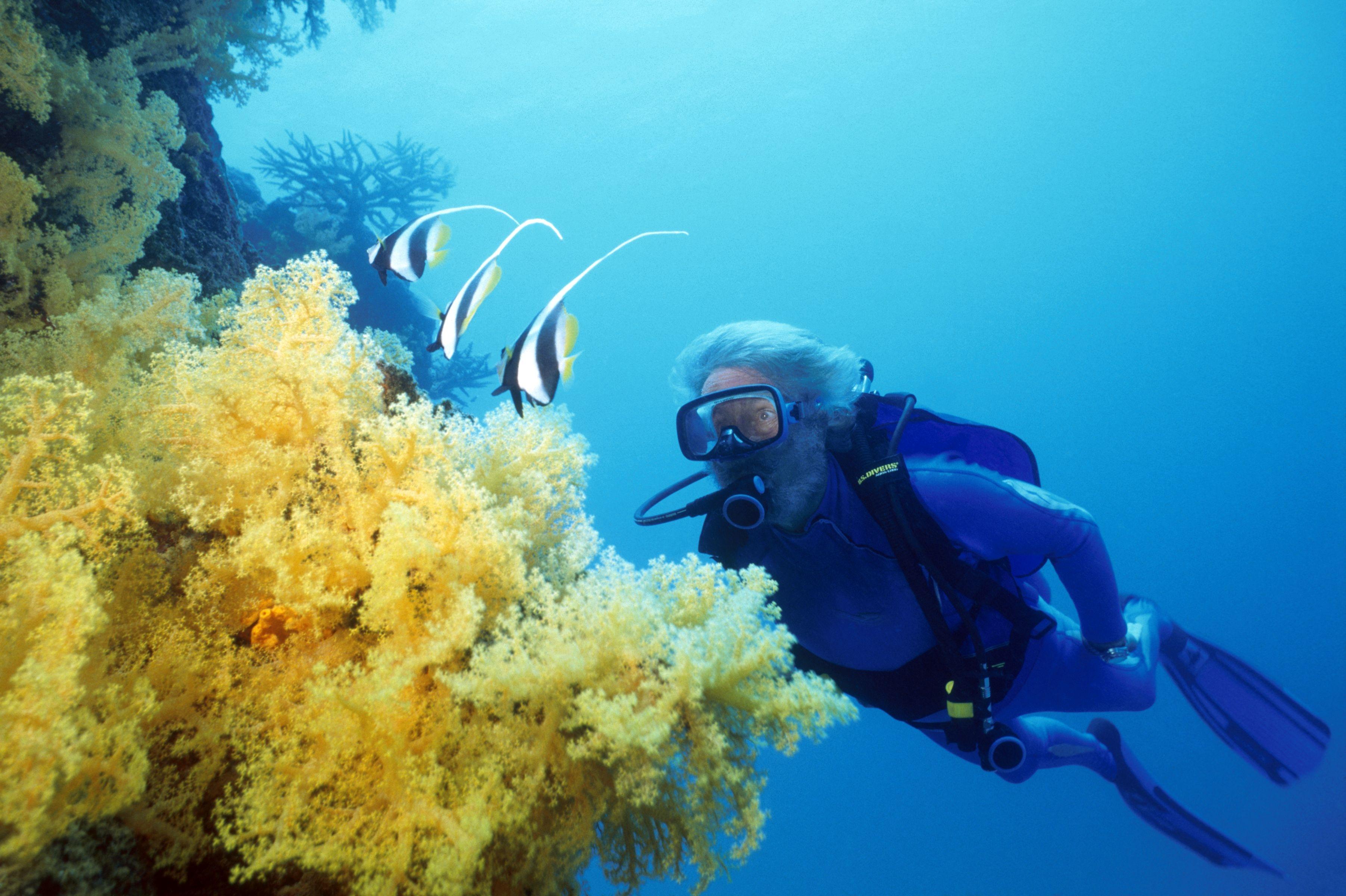
When the world's most exclusive resorts begin integrating marine protection into their core operations, it signals a shift beyond traditional tourism. In Fiji, this is exemplified by initiatives like those led by Jean-Michel Cousteau, whose legacy directly influences modern conservation efforts. At 87, he remains actively engaged in safeguarding ocean health, using his deep-rooted connection to Fiji as a living laboratory for sustainable practices.

The integration of conservation into luxury travel isn't a new concept—it's a necessity. With 30% of Fiji's coastline now protected as marine reserves, the country has become a global benchmark for balancing tourism with ecological stewardship. These protected areas serve as vital classrooms where travelers learn about sustainable practices while enjoying unparalleled natural beauty.

Why Fiji's Approach Stands Out

  • Coastal resilience is prioritized through community-led mangrove restoration projects that protect shorelines from erosion and storm surges
  • Real-time water quality monitoring systems are embedded in high-end resorts to ensure clean, safe, and responsible tourism practices
  • Collaborative fishery management initiatives with local communities ensure that marine biodiversity thrives even as tourism grows

What makes Fiji's model unique is its emphasis on active participation. Guests aren't just visitors—they're co-creators in the conservation narrative. At resorts like those featured in the latest Forbes coverage, travelers engage in hands-on activities such as coral reef monitoring and plastic waste removal, turning passive visitors into active stewards.

However, challenges persist. Rising sea levels and coral bleaching threaten to disrupt even the most carefully planned conservation efforts. To counter this, Fiji is pioneering innovative solutions, including AI-driven early warning systems for marine health and partnerships with international conservation NGOs to scale impact.

As a nation built on the ocean, Fiji's journey reflects a global need to rethink tourism's role in environmental preservation. The success of its model depends on continued innovation and a commitment to transparency—not just for the sake of the environment, but for the future of the people who depend on these ecosystems.