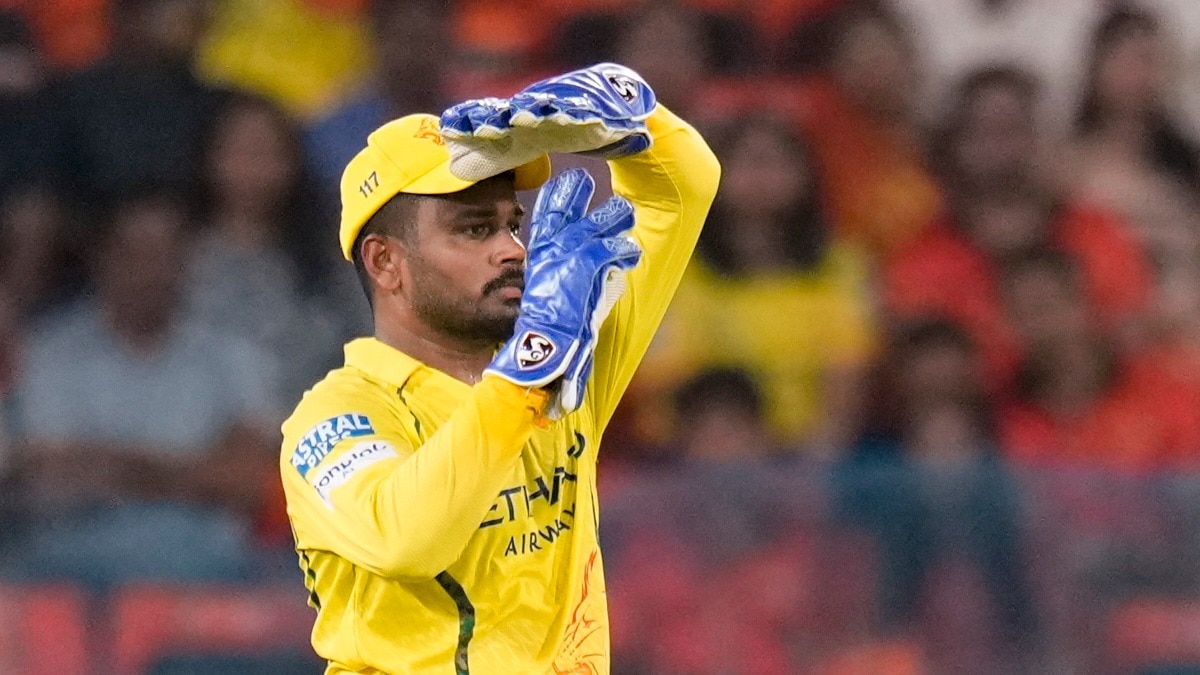
Why Sanju Samson Is Shaking Up CSK's Captaincy Debate: The Unseen Factor Behind IPL 2026

Editor 11 May, 2026 ... min lectura

As the Indian Premier League (IPL) 2026 season approaches, the cricket world is buzzing with speculation about Chennai Super Kings' (CSK) captaincy decisions. Amid the noise, Sanju Samson has emerged as a pivotal figure, with his recent statements offering clarity on why he won't lead the team. This isn't just a routine captaincy shuffle—it's a strategic move with deep implications for CSK's future and the broader IPL landscape.

Is Sanju Samson's Decision a Strategic Move?

Sanju Samson, a veteran Indian cricketer known for his consistency and leadership, has been vocal about his role in the CSK setup. His comments on not leading the team in the upcoming season have sparked debate. Unlike many players who seek captaincy roles for personal recognition, Samson has been focused on team dynamics and long-term success. His decision reflects a nuanced understanding of cricket's evolving structure.

Analysts suggest that Samson's stance is rooted in a careful assessment of CSK's needs. With the IPL 2026 season being a pivotal moment for franchise teams, leadership stability is critical. Samson has emphasized that his role at CSK isn't just about personal ambition but about ensuring that the team's performance aligns with their strategic goals.

What Does 'The Reason You Are Picking Malayalis...' Mean?

Samson's recent remarks about 'the reason you are picking Malayalis' have been widely interpreted as a critique of team composition. He's not rejecting the idea of Malayali players (a significant group in Indian cricket) but highlighting the need for balanced representation across all regions.

For CSK, which has historically relied on players from various backgrounds, this comment underscores the importance of diversity and inclusivity in team selection. It's a subtle yet powerful message about how cricket is evolving beyond regional biases.

  • Regional balance: Samson stresses the need for a mix of players from different Indian states to avoid over-reliance on one region.
  • Team cohesion: A diverse team can adapt better to different match conditions and strategies.
  • Long-term strategy: Ensuring that all players feel valued and included helps build a more resilient squad.

By addressing these points, Samson has shifted the focus from individual accolades to collective growth and sustainability.

The decision to not captain CSK in 2026 isn't just about personal preference—it's a calculated move to prioritize the team's immediate and future success. In a sport where leadership often hinges on tactical intelligence and adaptability, Samson's approach is a refreshing example of how modern cricket is being redefined.