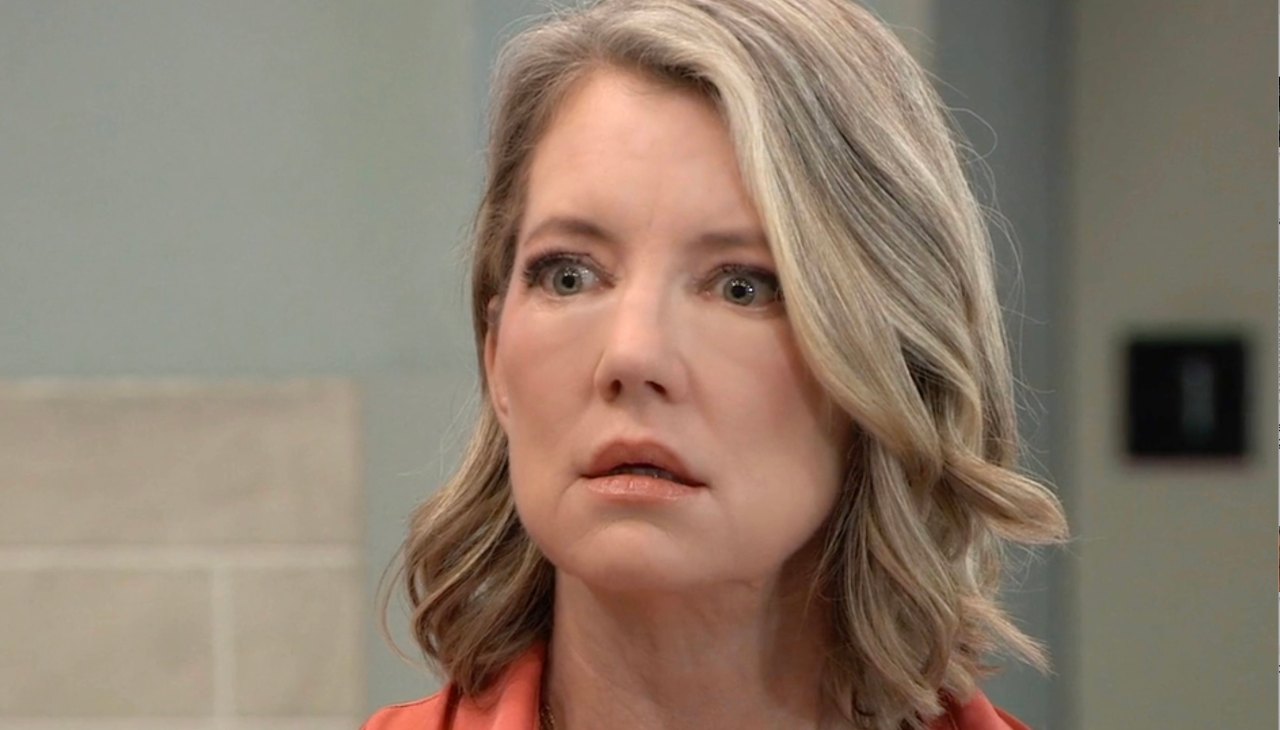
General Hospital, the long-running soap opera that has captivated audiences for over half a century, continues to deliver twists that keep viewers on edge. This week’s drama centers on a critical error with far-reaching consequences. When Nina accidentally injects Jack Brennan with Willow’s experimental medication meant to paralyze Drew, the ripple effects of this mistake threaten to unravel multiple character relationships.
The incident, unfolding on Friday’s cliffhanger, highlights the show’s signature style of interweaving personal and professional conflicts. As the fallout unfolds, Nina finds herself entangled in a dangerous web of mistrust and retaliation. This isn’t just about one mistake—it’s about the systemic nature of the show’s storytelling, where a single action can trigger a chain reaction of dramatic consequences.
Why does a medication mix-up matter in General Hospital?
The show’s creative team has long mastered the art of using medical scenarios to amplify emotional stakes. A misplaced injection isn’t just a plot device—it’s a narrative tool that forces characters to confront their vulnerabilities. In this case, the medication’s purpose—keeping Drew paralyzed—adds a layer of urgency and moral complexity, making the mistake feel both plausible and impactful.
- Real-world context: Hospital settings often rely on precise protocols for medication administration, which the show exaggerates for dramatic effect.
- Character dynamics: Nina’s accidental injection creates immediate tension with Sidwell, who is now threatened by Lulu’s revelations.
- Plot escalation: The incident triggers a confrontation between Dante and ‘Nathan,’ deepening the show’s signature multi-layered conflict.
The fallout from Nina’s error has already drawn attention from fans and critics alike. The episode’s focus on interpersonal fallout—such as Sidwell’s wrath and Lulu’s explosive revelations—demonstrates how the show balances realism with theatricality. This is a prime example of how General Hospital continues to innovate within the soap opera genre.
Behind the scenes, the production team has been working to maintain a balance between maintaining suspense and ensuring that the consequences of each action feel grounded. The show’s ability to weave together seemingly unrelated plotlines into a cohesive narrative is what keeps it relevant in an era dominated by fast-paced digital content.
As the story progresses, the implications of this medication mix-up become increasingly significant. With Nina now at the center of a crisis, the show has set up a scenario where trust and accountability will be tested in ways that resonate with modern audiences’ concerns about medical ethics and interpersonal conflict.