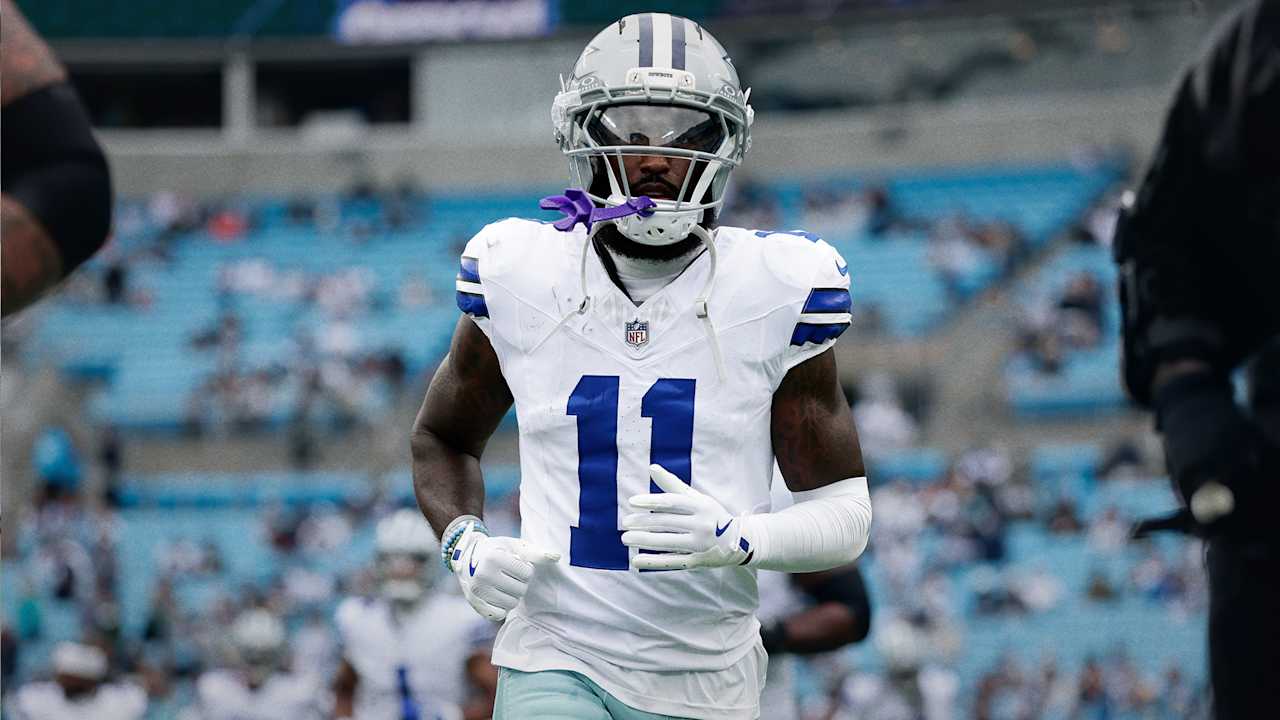
At the age of 28, Parris Campbell’s NFL journey has reached its conclusion. The Dallas Cowboys wide receiver, known for his dynamic playmaking and high-energy style, has officially retired after seven seasons in the league. This decision, announced just weeks before the 2026 season, marks a significant moment in modern NFL career trajectories, offering insights into the evolving landscape of athlete longevity and professional burnout.
Why 28? The Unseen Toll of NFL Play
Campbell’s departure comes amid growing concerns about physical and mental health in the league. While the average NFL player’s career spans 7–10 years, many athletes face unexpected health challenges that shorten their time in the pros. For Campbell, the decision to retire at 28 was not driven by a single injury but by a combination of chronic fatigue, inconsistent performance, and a growing awareness of the toll that constant high-stakes competition takes on the body and mind.
The Hidden Cost of High Performance
Unlike the typical 'lifelong athlete' narrative, Campbell’s case highlights the psychological and physiological pressures that can derail a career. Studies show that over 60% of NFL players experience physical injuries by their third decade, but Campbell’s story reveals a more insidious issue: the cumulative effect of repeated high-impact plays and the mental exhaustion that comes with the grind of professional football.
- Chronic fatigue from non-stop game demands
- Psychological burnout from high-pressure environments
- Early career misalignment with evolving physical demands
Campbell’s decision is a rare example of an athlete prioritizing long-term health over short-term success—a shift that’s gaining traction in the league as more players acknowledge the physical and mental toll of professional sports.
The Cowboys organization has not publicly addressed the details of his retirement, but Campbell’s move is part of a growing trend where athletes are increasingly taking control of their careers. This isn’t just about age—it’s about understanding the unique pressures that shape an athlete’s journey.
What Comes Next? The Future of Retirements in the NFL
As the NFL continues to grapple with athlete health and longevity, Campbell’s case offers a blueprint for proactive decision-making. With more players recognizing the risks of continuing to play despite symptoms, the league is expected to see a rise in early retirements, particularly among younger, high-impact athletes.
For Campbell, the retirement is a step toward a more sustainable approach to sports. His story isn’t just about ending a career—it’s about redefining what success looks like in professional sports.