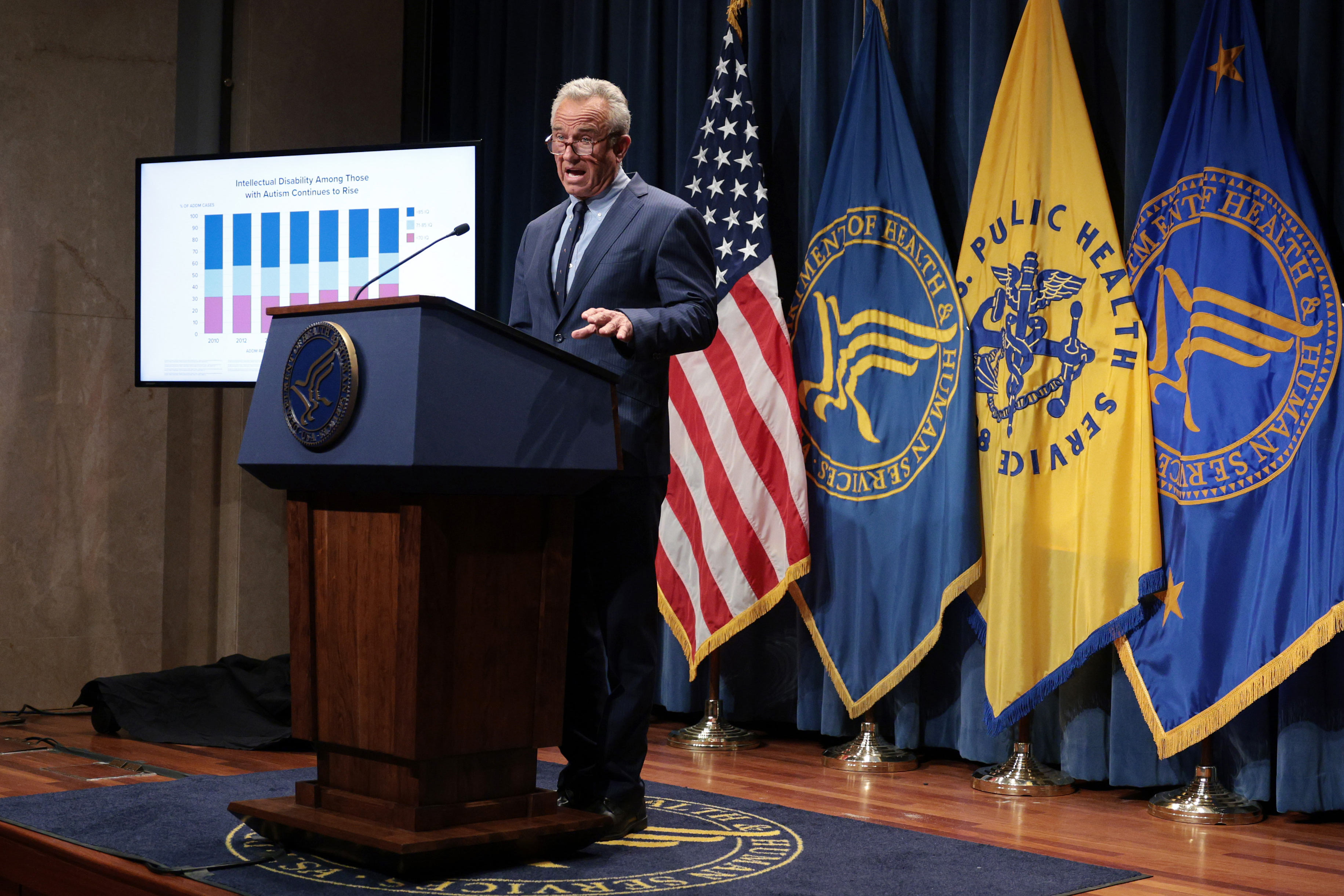
Former U.S. Attorney General and prominent anti-vaccine advocate Robert F. Kennedy Jr. has ignited a major controversy by seeking access to millions of Americans' medical records through the Department of Health and Human Services (HHS). His request, framed as part of an autism research initiative, has drawn intense scrutiny from medical professionals, policymakers, and public health advocates. The move has raised critical questions about privacy, data security, and the scientific basis for linking vaccines to autism—a claim long debunked by medical science.
According to the CDC’s 2024 report, there is no credible evidence that vaccines cause autism. The myth originated from a 1998 study by Andrew Wakefield, which was retracted due to ethical violations and undisclosed conflicts of interest. Despite this, Kennedy Jr. has repeatedly promoted the idea that vaccines correlate with autism, framing his access to medical records as a means to uncover patterns in a supposed 'vaccine-autism link.'
Why Is This Request Controversial?
Under federal law, access to medical records requires strict protocols to protect patient confidentiality. The HHS has not yet confirmed whether Kennedy Jr. has legally obtained the necessary permissions. Critics argue that the request violates the Health Insurance Portability and Accountability Act (HIPAA), which mandates safeguards for sensitive health data. Medical experts warn that even a small breach could lead to widespread misuse of personal health information.
- The CDC’s 2024 report explicitly states that vaccines do not cause autism
- Over 100 peer-reviewed studies confirm the safety of vaccines
- Legal experts highlight HIPAA compliance risks in this request
Kennedy Jr. has previously criticized the CDC’s guidance on vaccines, claiming it is 'baseless' and 'misleading.' This latest move has intensified debates about the role of government agencies in health data management. While his team claims the goal is to identify 'hidden patterns' in autism cases, critics note that the CDC already has robust systems for tracking vaccine-related health outcomes.
The controversy highlights the tension between individual privacy rights and public health surveillance. As medical records are among the most sensitive personal data, any attempt to access them without proper oversight risks eroding trust in healthcare systems. Kennedy Jr.’s actions have also sparked discussions about the politicization of health data, especially given his history of promoting unverified claims about vaccine safety.