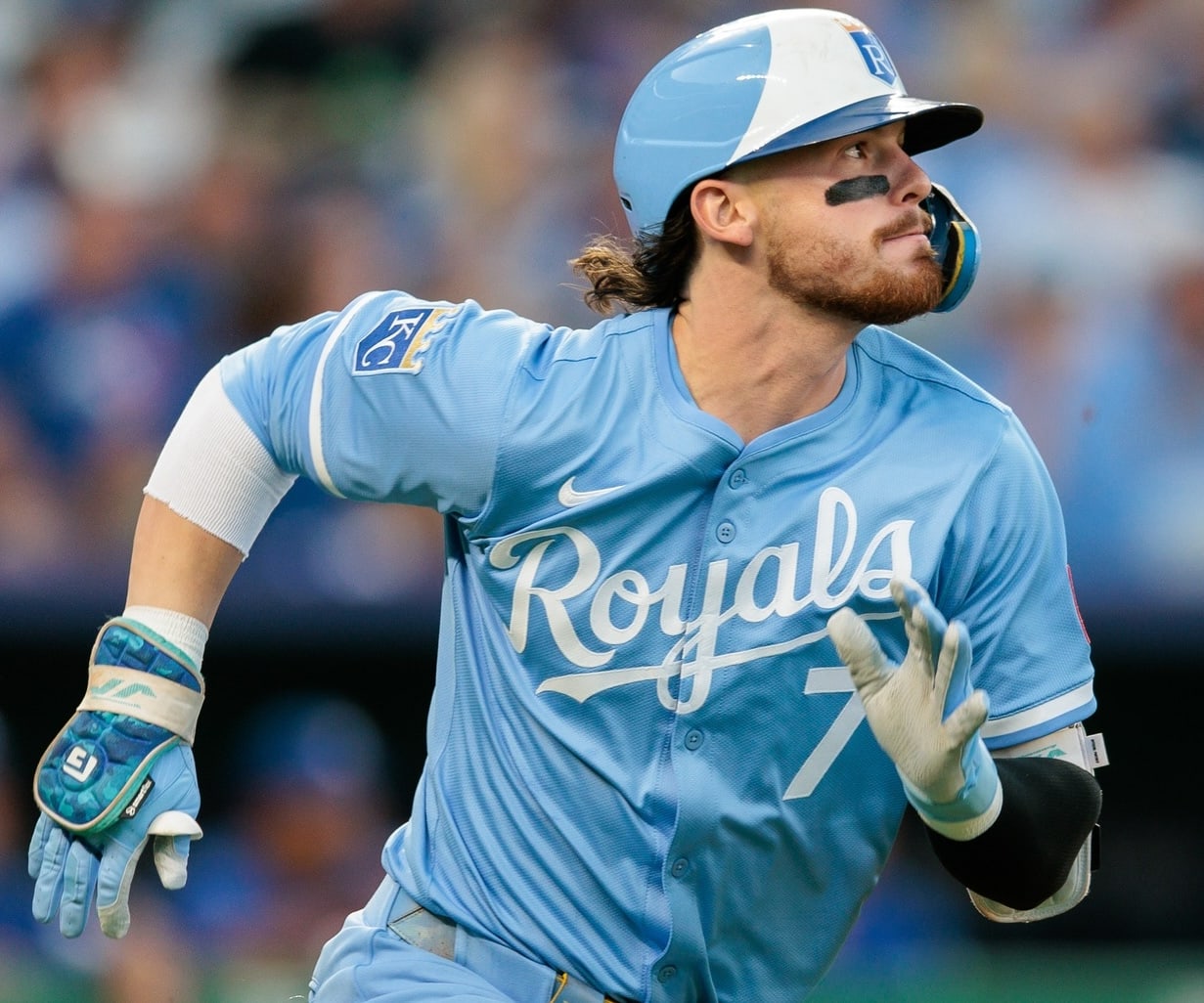
As the 2026 MLB season unfolds, Jacob Gonzalez has emerged as a compelling figure in the White Sox organization. His journey from a rookie’s first at-bat to career-defining moments highlights a unique intersection of talent, resilience, and strategic adaptation in modern baseball. Gonzalez’s performance has quickly become a focal point for analysts and fans alike, illustrating how the sport continues to evolve with new voices stepping into the spotlight.
Gonzalez’s breakthrough began with a pivotal moment on June 1, 2026, when he recovered a wide throw for a double play during a critical game against the Twins. This play, occurring in the bottom of the third inning, showcased his quick decision-making and ability to thrive under pressure—a hallmark of a player ready to contribute at the highest level. His performance in this high-stakes scenario demonstrated immediate impact, setting the stage for further development and recognition.
Building on this foundation, Gonzalez’s role as a replacement for the injured Munetaka Murakami has been particularly noteworthy. The White Sox have been navigating the complexities of roster adjustments since Murakami’s hamstring injury forced his absence. Gonzalez’s seamless transition into first base, where he has now logged four consecutive starts, has proven critical for the team’s offensive output. His ability to step up in the absence of a seasoned veteran has been a strategic asset, reflecting the evolving dynamics of modern baseball where adaptability often outweighs traditional experience.
Can a rookie’s first RBI truly signal a career shift?
Gonzalez’s first RBI of the season came on June 4, 2026, when he went 2-for-4 with two RBIs and a walk, marking a significant milestone in his career. This performance not only highlighted his growing confidence but also underscored his capacity to deliver under pressure. The significance of this moment extends beyond the box score—it represents a shift in how teams approach young talent, emphasizing the importance of versatility and timely execution in a league that increasingly values dynamic, adaptable players.
- Gonzalez’s first RBI came in a game where he demonstrated exceptional bat speed and hitting range
- His performance has been a direct response to the team’s need for depth at first base
- He has become a key example of how rookies can thrive in high-pressure situations
The narrative around Gonzalez’s development is further enriched by his role in the broader context of MLB’s evolving roster strategies. Teams are increasingly prioritizing players who can adapt to changing tactical needs, and Gonzalez embodies this trend. His journey reflects a broader shift in baseball from the traditional model of aging stars to a more fluid, team-centric approach where younger players can quickly integrate and contribute meaningfully.
Analysts suggest that Gonzalez’s success is not just a personal triumph but a reflection of the league’s increasing emphasis on player development and strategic flexibility. As the season progresses, his impact on the White Sox’s performance will be closely monitored, with many predicting that his ability to adapt to evolving team needs will be a key factor in his continued growth.