Rare Southern Lights Over SA? Aurora Australis Alert Issued! Don't Miss It!

Rare Southern Lights Over SA? Aurora Australis Alert Issued! Don't Miss It!

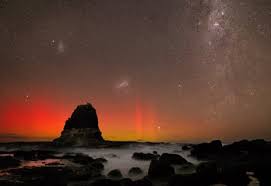
Get ready, South Africa! A rare celestial event might just paint our night skies with the breathtaking Aurora Australis, also known as the Southern Lights. Following a severe solar storm, experts predict that this natural light show could be visible much further north than usual, potentially reaching Pretoria and other inland areas.

What is the Aurora Australis?

The Aurora Australis is a stunning display of light caused by charged particles from the sun colliding with Earth's magnetic field. When a powerful solar flare sends a massive plasma cloud our way, it disrupts our magnetic field, creating these mesmerizing curtains of light.

This particular geomagnetic storm is classified as G4 to G5, making it an exceptionally rare and powerful event. Typically, the Southern Lights are only visible in Antarctica or the southernmost regions of New Zealand and Chile.

Could You See It From Pretoria?

While the best views are anticipated along South Africa's southern and eastern coasts, skywatchers in Pretoria and other inland locations might still catch a faint glow or shimmer. The We are South Africans Facebook Page suggests there's a real possibility of spotting them, even further inland than usual.

Tips for Spotting the Southern Lights:

  • Find a Dark Location: Escape the city lights! Head to a location with minimal light pollution.
  • Look South-Southeast: Focus your gaze towards the south to southeast horizon (specifically for Pretoria and central South Africa).
  • Avoid Bright Moonlight and Clouds: Moonlight and clouds will significantly reduce your chances of seeing the aurora.
  • Adjust Your Eyes: Give your eyes about 20-30 minutes in the dark to adapt and pick up faint glows.
  • Use a Camera: Even if you can't see much with your naked eye, try taking long exposure photos with a camera. The aurora might appear more vibrant in the images.

The recent solar activity is linked to the Sun nearing the end of its most active phase in its magnetic cycle, resulting in increased aurora activity over the past two years. Don't miss this chance to witness one of nature's most spectacular shows! Grab your camera and head out for a night of skywatching. Good luck!