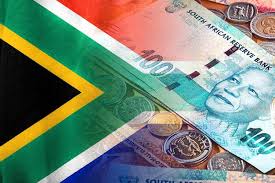
The South African Rand has surged, breaking below the R17/$ mark for the first time in over two years, a level last seen in January 2023. This significant move has sent ripples through the market, prompting analysts to reassess their forecasts and investors to re-evaluate their portfolios.
What's Driving the Rand's Strength?
Several factors are contributing to the Rand's recent appreciation:
- Inflation Target Adjustment: Finance Minister Enoch Godongwana's announcement of a new 3% inflation target, the first adjustment in 25 years, has boosted investor confidence.
- Weaker US Dollar: Recent US labour data suggests a potential interest rate cut by the Federal Reserve in December, weakening the dollar and making the Rand more attractive.
- Potential Credit Rating Upgrade: Investec's Chief Economist, Annabel Bishop, believes that Standard & Poor is likely to upgrade South Africa's credit rating, further supporting the Rand.
The Economic Impact
A stronger Rand has several potential benefits for the South African economy:
- Lower Inflation: A stronger Rand can help to reduce import costs, potentially leading to lower inflation.
- Interest Rate Cuts: A lower inflation target and a potential credit rating upgrade could pave the way for further interest rate cuts, stimulating economic growth.
- Job Creation: Lower interest rates can encourage investment and job creation.
However, it's important to note that a strong Rand can also negatively impact exporters, making their products more expensive for foreign buyers. The long-term impact of this Rand strength remains to be seen, but for now, the markets are reacting positively.