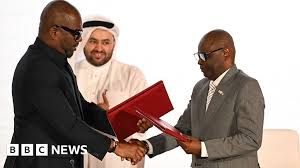
After decades of conflict, there's a glimmer of hope for the Democratic Republic of Congo (DRC). The government and the M23 rebels, backed by Rwanda, have signed a framework for peace in Qatar. This agreement aims to bring an end to the fighting that has ravaged the eastern part of the country.
What's in the Peace Deal?
The deal, brokered by Qatar, the US, and the African Union, includes eight protocols. Two of these protocols, focusing on ceasefire monitoring and prisoner exchange, have already been signed. Other key areas addressed include:
- Humanitarian access to affected areas.
- The return of displaced people to their homes.
- Protection of the judiciary.
This framework builds upon previous agreements signed in Doha, including a declaration of principles in July and a deal on ceasefire monitoring last month.
Challenges Ahead
While this agreement is a positive step, significant challenges remain. Kinshasa is demanding the withdrawal of Rwandan troops from its territory, while Kigali insists that the Congo-based FDLR rebel militia, largely made up of ethnic Hutus linked to the 1994 Rwandan genocide, must be disbanded first.
US Africa envoy Massad Boulos acknowledged that implementing the deal is crucial and that much work remains to be done. Previous attempts to secure peace have failed, and both sides have accused each other of violating earlier truce agreements.
Will This Time Be Different?
The M23 has stated that the talks in Qatar will address the "root causes" of the conflict, which is a crucial element for achieving lasting peace. The DRC government hopes that the framework will create "real and measurable change for the people" in the shortest time possible.
Only time will tell if this new agreement will finally bring an end to the decades of conflict in the DRC. The international community will need to remain engaged to ensure that the terms of the framework are fully implemented and that lasting peace is achieved.