Ethiopian Volcano Erupts After 10,000 Years! Ash Clouds Disrupt Flights!

Ethiopian Volcano Erupts After 10,000 Years! Ash Clouds Disrupt Flights!

Ethiopian Volcano Erupts After Millennia!

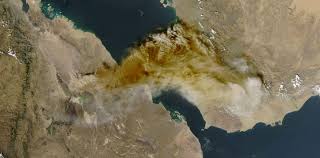
A long-dormant volcano in Ethiopia, Hayli Gubbi, has erupted for the first time in approximately 10,000 to 12,000 years, sending plumes of ash and smoke high into the atmosphere. This unexpected event has had far-reaching consequences, impacting air travel and local communities.

The eruption, which occurred in the Afar region of northeastern Ethiopia, has covered nearby villages in dust, posing challenges for farmers and livestock herders. Local officials have expressed concerns about the economic impact on communities that rely on livestock, as the ashfall has reduced grazing land.

Impact on Air Travel

The volcanic ash cloud has drifted across the Red Sea, reaching as far as India and disrupting flight operations. Several airlines have cancelled, delayed, or rerouted flights to avoid the ash, which can damage aircraft engines and reduce visibility. According to the India Meteorological Department (IMD), the ash cloud has reached altitudes of up to 15km above sea level.

  • Air India cancelled 11 flights.
  • IndiGo, Akasa Air, and KLM also affected.
  • Aviation regulators advise airlines to avoid affected areas.

Experts are monitoring the situation to determine how long the ash cloud will persist and its potential impact on air quality. The IMD estimates that the skies over Delhi should clear by Tuesday evening.

Geological Significance

The Hayli Gubbi volcano is located in the Rift Valley, a geologically active zone where tectonic plates meet. The eruption highlights the region's vulnerability to seismic and volcanic activity. The Smithsonian Institution’s Global Volcanism Program has confirmed that Hayli Gubbi has had no known eruptions during the Holocene epoch.

The eruption serves as a reminder of the unpredictable nature of geological events and the importance of monitoring volcanic activity to mitigate potential risks.