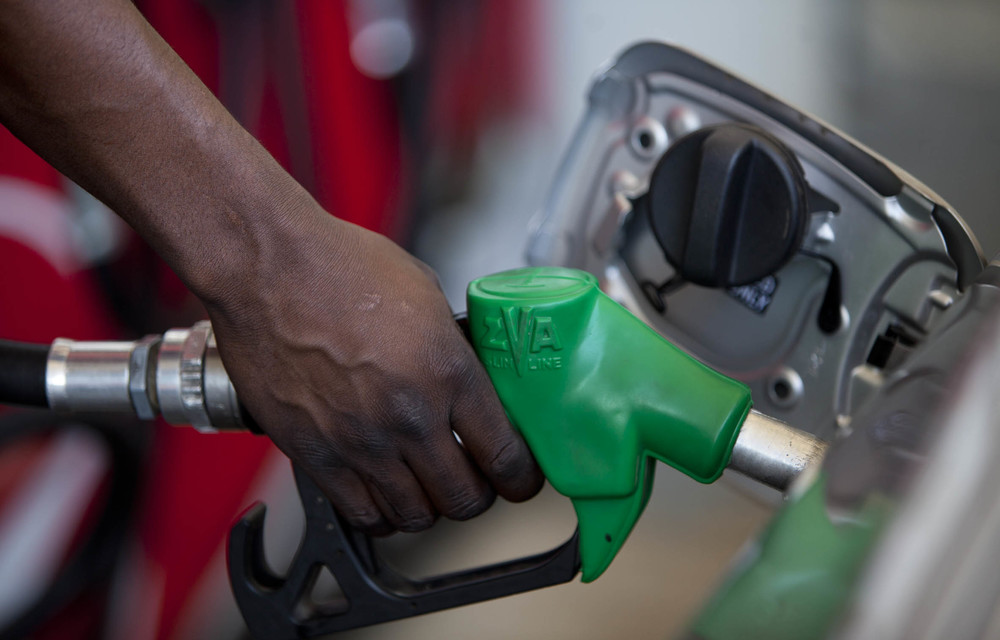
South Africa’s recent surge in petrol and diesel prices has sent ripples through households, businesses, and the broader economy. With inflation already at a critical level, this crisis has become a defining challenge for the nation’s economic stability. The situation isn’t just about fuel costs—it’s a symptom of deeper structural issues in the country’s energy sector and global market dynamics.
Recent data from the South African National Department of Energy shows a 12.8% year-on-year increase in average petrol prices since late 2023. This has placed significant pressure on low-income households, which spend up to 15% of their monthly income on fuel. The ripple effects extend beyond individual budgets, affecting transportation, agriculture, and industrial production. As the country navigates this challenge, the government and private sector must act swiftly to address the crisis.
Is South Africa’s Fuel Price Spike a Global Phenomenon?
One might ask: Are South African petrol prices simply a result of local factors, or are they part of a larger global trend?
While South Africa’s fuel prices have been rising in tandem with global oil volatility, the country’s unique position as a net exporter of minerals and a major player in the African energy market has created a complex interplay between domestic demand and international supply chains. The country’s reliance on imported crude oil, which accounts for over 90% of its fuel supply, makes it particularly vulnerable to global price fluctuations. Recent disruptions in the Middle East and the Russian-Ukrainian conflict have further exacerbated these challenges.
The impact of these global shocks is compounded by South Africa’s fragmented infrastructure. The country’s aging pipelines, limited refineries, and logistical bottlenecks have made it difficult to adjust to changing global conditions. This has resulted in a situation where even small shifts in global oil prices can trigger significant domestic price spikes.
How Is South Africa Coping?
Private financial institutions like Absa have stepped in with immediate, targeted interventions. For instance, Absa Rewards has increased the cashback rates for fuel purchases by 15%, offering a direct financial buffer to consumers hit hardest by the crisis. This move reflects a growing understanding that short-term economic relief is critical in addressing the immediate impact of high fuel prices.
- Financial institutions are exploring more aggressive cashback and incentives to help consumers manage fuel costs
- Government initiatives to streamline fuel distribution and reduce import bottlenecks are gaining traction
- Long-term strategies to diversify energy sources and reduce reliance on imported crude oil are being prioritized
These measures are part of a broader response to the crisis, but they require sustained effort to have a lasting impact. Without a comprehensive approach, the economic strain on households and industries will continue to deepen.
The situation in South Africa highlights the interconnectedness of global and local economic challenges. As the world becomes increasingly interdependent, understanding the nuances of local economies within global systems is crucial for effective policy-making and crisis management.