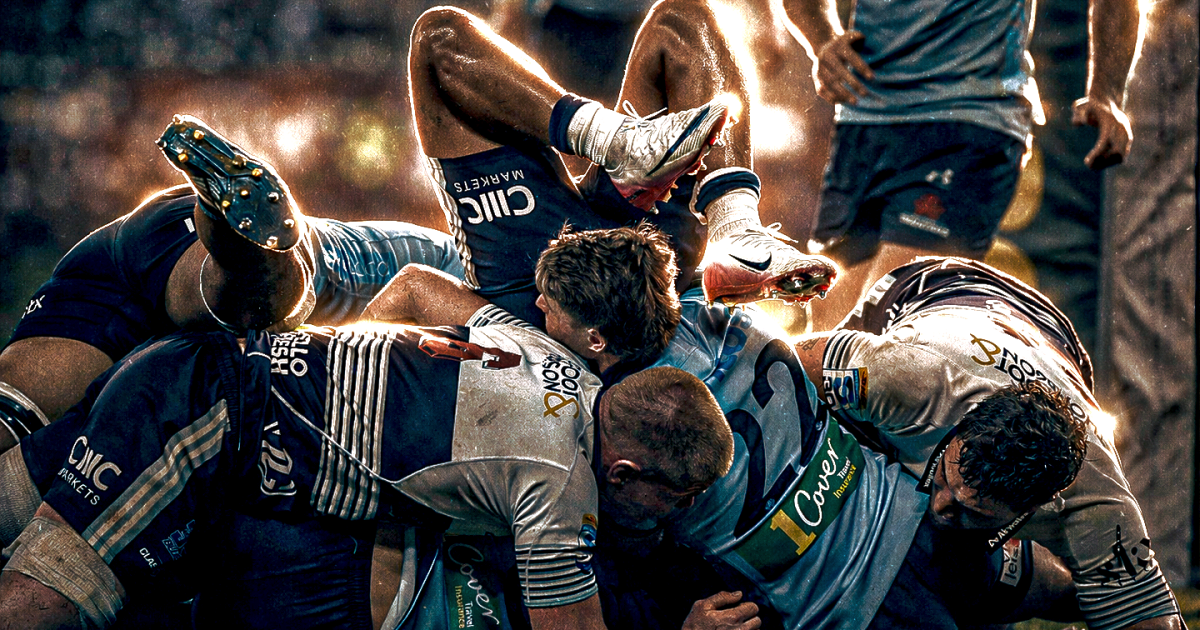
Rugby union is undergoing a profound transformation that's reshaping the sport's identity, player development, and competitive dynamics. This shift isn't just about faster players or more aggressive plays—it's a systemic evolution driven by technology, data, and evolving player expectations. As fans and analysts observe the modern game, one clear trend emerges: the game is accelerating faster than ever before, creating both opportunities and challenges for traditional structures.
Is Rugby Union Moving Too Fast?
At the heart of this transformation is the undeniable acceleration in match pace. Recent Six Nations Championship matches have demonstrated how teams now deploy high-speed attacks and rapid transitions with precision, often blurring the lines between offense and defense. This evolution isn't accidental—it's a direct response to the increasing speed of modern equipment and the demand for tactical sophistication.
Players are training with advanced biomechanics tools and real-time data analytics, allowing them to refine their movements and decision-making. For instance, the use of GPS tracking has enabled teams to optimize player positioning and energy management, reducing fatigue and improving on-field performance. This data-driven approach has made the game more dynamic, but also more complex to manage.
Why the Speed Matters
- Player Development: Younger athletes now benefit from tailored training regimens that align with their biomechanical profiles, ensuring optimal physical readiness.
- Strategy Complexity: Teams are designing intricate attack and defense systems that respond to real-time data, making the game more fluid and less predictable.
- Rule Adaptation: The emergence of an 'unofficial set-piece'—a spontaneous and highly effective attacking maneuver—has highlighted the need for regulatory adjustments to govern this evolving tactical landscape.
One pressing concern is the rise of the 'unofficial set-piece,' a creative and high-impact tactic that's becoming a staple in modern rugby. This innovation, often executed by teams using fast breaks and quick transitions, has challenged traditional rules and set-piece structures, forcing officials to adapt to a new reality where tactical creativity is prioritized over rigid compliance.
While these changes are positive, they also raise critical questions. Are the current rules keeping pace with the sport's rapid evolution? The 'unofficial set-piece' is a prime example of how the game is moving beyond its traditional frameworks, creating a need for thoughtful legal adjustments to maintain fairness and safety.
As rugby continues to evolve, the sport's leaders must balance innovation with stability. The challenge lies in fostering a future where speed and strategy enhance the game without compromising its core values of respect, safety, and inclusivity.