South Africa’s Workers’ Day, celebrated on May 1st, has long been a symbol of labor rights and national identity. As the country prepares for its 2026 edition, the focus shifts from historical commemorations to a dynamic, multi-city celebration that blends cultural vibrancy with economic opportunities.
Why Does Workers’ Day Matter Beyond Labor Movements?
Historically, May 1st marked the International Workers' Day, rooted in global labor movements. In South Africa, it’s been a platform for dialogue between workers and policymakers, particularly in the context of the country’s post-apartheid economic transformation. By 2026, this holiday has evolved into a strategic economic catalyst, with cities like Joburg and Cape Town leveraging the weekend to showcase innovation, creativity, and community-driven projects.
Unlike previous years, the 2026 Workers’ Day weekend is expected to feature a curated blend of events that highlight both local and international talent. From markets and exhibitions to live music and dance, the holiday has become a key moment for economic activity and social cohesion.
What Makes 2026’s Workers’ Day Unique?
While past events have focused on historical remembrance, this year’s celebration emphasizes inclusivity and sustainability. The integration of digital platforms and eco-friendly practices reflects a growing awareness of environmental impacts and digital equity in urban settings.
- Joburg’s focus on makers spaces like KAMERS/Makers and First Sundays provides a platform for emerging artists and entrepreneurs.
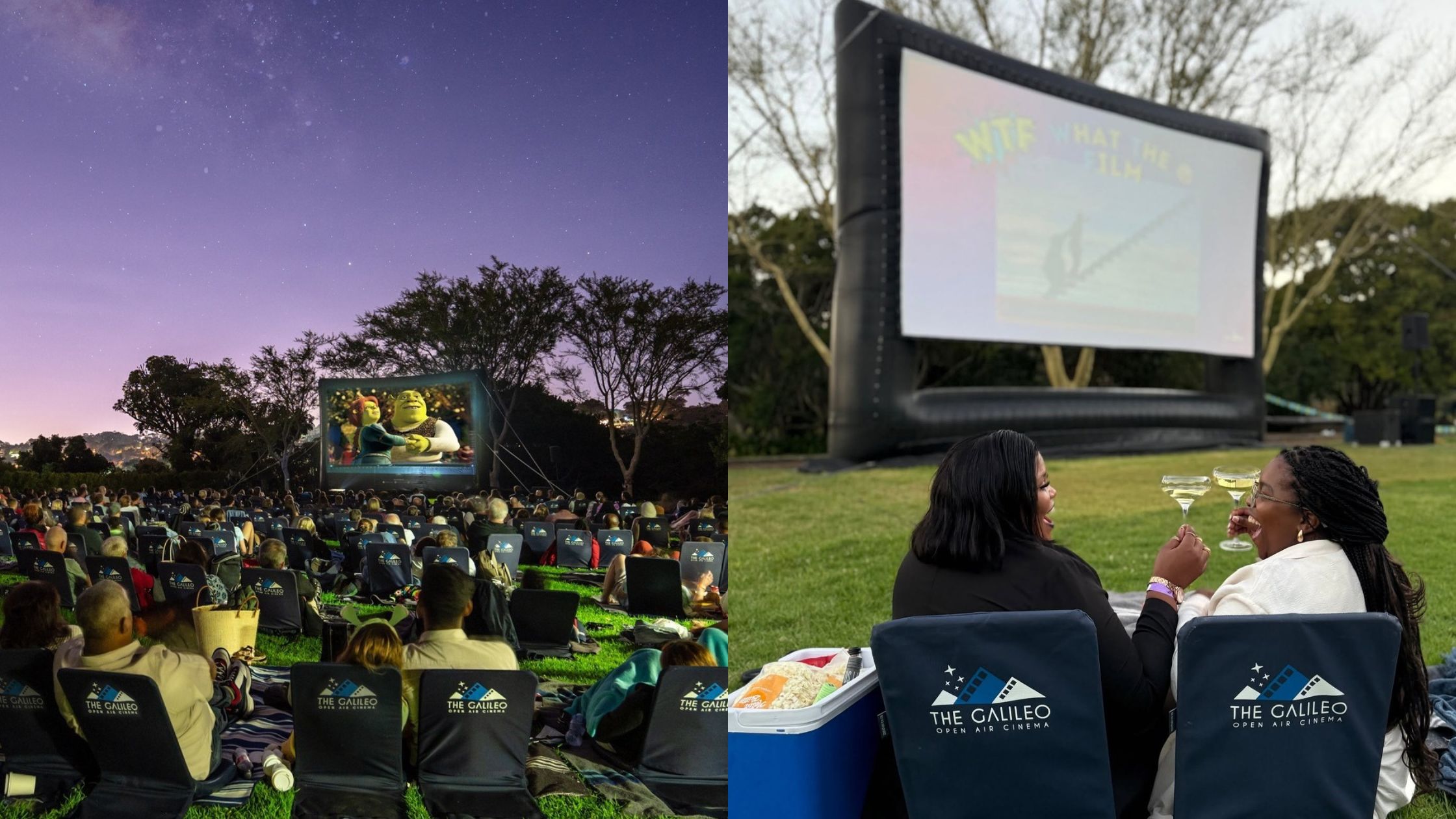
- Events such as the Workers’ Day long weekend in Cape Town highlight a shift toward community-driven initiatives and eco-conscious programming.
- Both cities are integrating digital equity into their event frameworks, ensuring broader access to cultural experiences.
The 2026 weekend is anticipated to bring a calmer, more focused vibe compared to previous years, with a stronger emphasis on quality over quantity. This approach aligns with South Africa’s broader goals of economic inclusivity and sustainable development.
As the country navigates economic challenges, this holiday serves as a reminder of the interconnectedness between labor rights, economic growth, and cultural expression. The 2026 Workers’ Day will not only celebrate past achievements but also chart a course for a more inclusive and sustainable future.