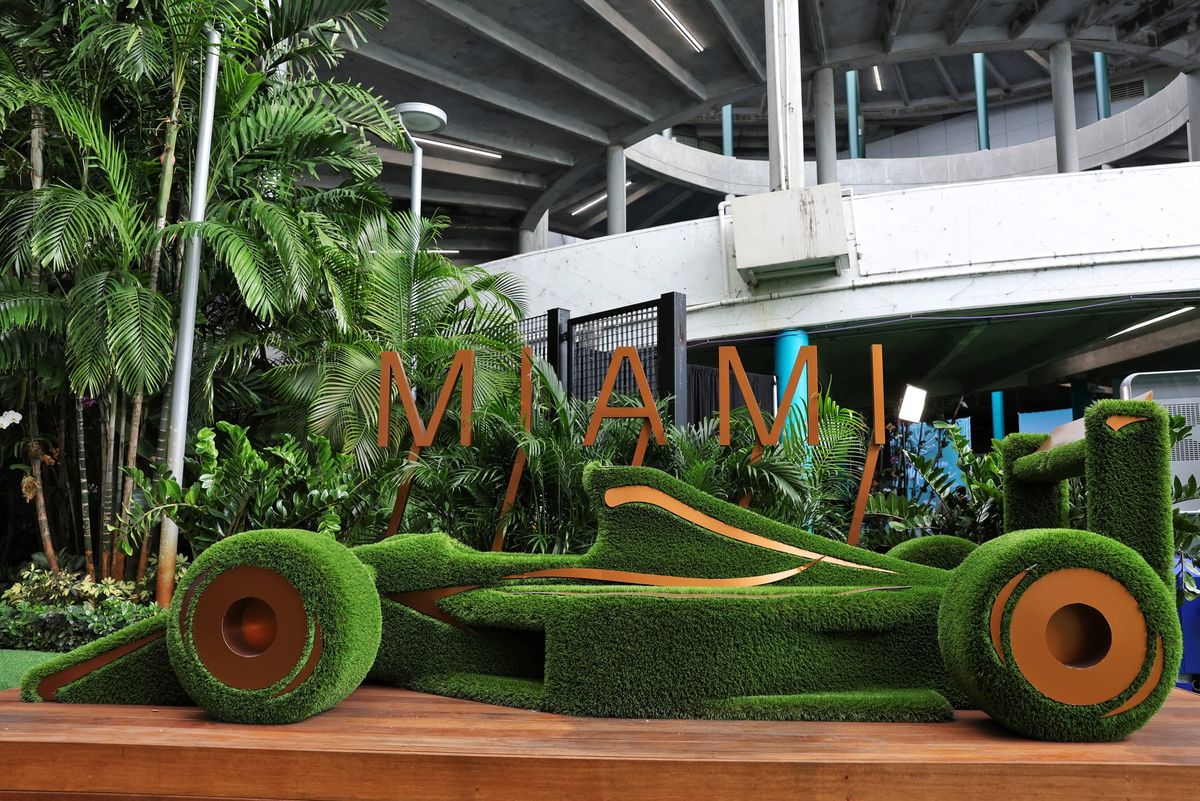
As Formula 1 makes its triumphant return to the Miami Grand Prix with a dramatic five-week break behind it, the race's fate is increasingly dictated by the skies above the city. This year's Miami Grand Prix, set to be held under the unique conditions of Florida's unpredictable weather, presents a critical test for teams and strategies that have evolved since the last time F1 returned to the region in 2025.
Can the Sky Dictate Strategy?
Florida's weather patterns are notoriously volatile, with thunderstorms capable of forming rapidly and unpredictably. The latest forecast for Miami's Grand Prix weekend suggests a high probability of severe weather conditions, including heavy rain and lightning, which could disrupt practice sessions and race dynamics. For teams that have spent weeks preparing for the event, this means a significant shift in strategy planning — from optimizing car setups to adapting to potential delays or cancellations.
One of the most critical considerations for teams is the potential impact of thunderstorms on race day. In 2025, the Miami Grand Prix saw a sudden change in weather conditions that forced teams to adjust their strategies mid-event, resulting in a significant shift in driver positioning and team performance. With this year's forecast indicating similar conditions, teams must now prepare for potential disruptions to the race schedule, including possible delays or even rescheduling of the race.
Teams have been working with local meteorological services to monitor the weather patterns closely, as Miami is known for its high frequency of thunderstorms during the spring and summer months. The impact of these weather events on race day is not just a question of timing but of strategic planning and resource allocation — particularly for teams that rely on precise data for their race strategies.
What's the Biggest Risk?
- Thunderstorm disruptions can lead to sudden changes in race conditions, affecting track performance and safety.
- Weather delays may force teams to adjust their practice schedules, impacting the quality of data collected.
- Track conditions can shift from dry to wet within hours, requiring immediate adjustments to car setups.
The risk of weather-related disruptions is a growing concern for teams, as the Miami Grand Prix has historically been prone to sudden weather changes. In 2025, the race saw a significant shift in weather conditions that led to a dramatic change in race dynamics, with teams that had prepared for dry conditions struggling to adapt to sudden downpours.
Teams have been working with local meteorological services to monitor the weather patterns closely, as Miami is known for its high frequency of thunderstorms during the spring and summer months. The impact of these weather events on race day is not just a question of timing but of strategic planning and resource allocation — particularly for teams that rely on precise data for their race strategies.
As the race approaches, teams are focusing on contingency planning for potential weather disruptions. This includes having backup plans for track conditions and ensuring that all teams are prepared for rapid adjustments to their race strategies. With the race set to begin under the threat of potential thunderstorms, the ability to adapt to changing weather conditions will be critical to success.