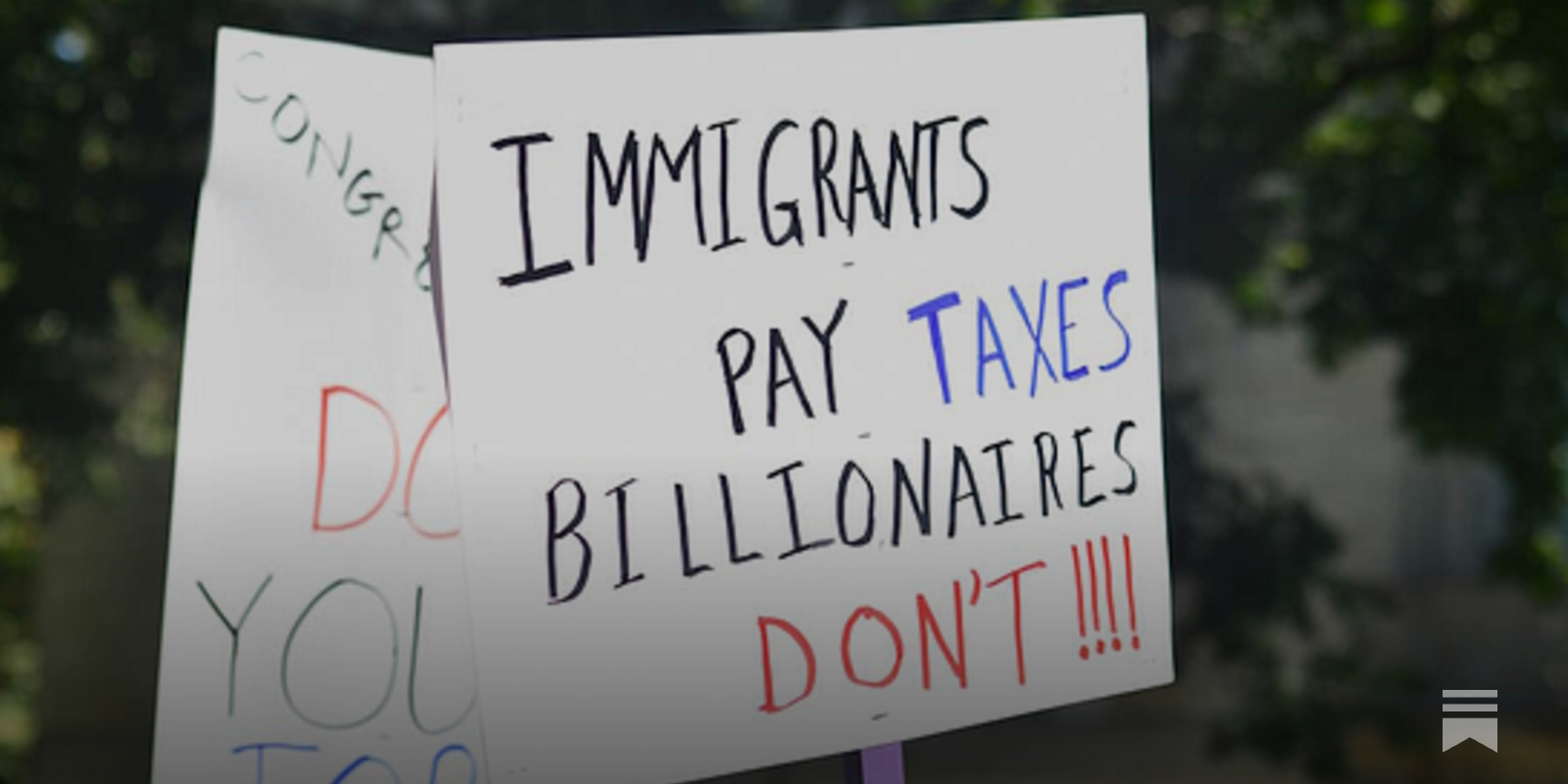
California’s push to implement a 'billionaire tax' has sparked intense debate, with critics arguing it’s a poorly conceived policy that undermines economic stability. The state’s proposed one-time 5% tax on assets over $1 billion has been widely criticized for its unintended consequences, particularly its impact on high-net-worth individuals.
At first glance, the idea of taxing the wealthy seems logical. After all, the U.S. has a long history of targeting the rich through progressive taxation. But California’s approach—focusing on a single, one-time tax on a specific asset threshold—ignores the complexity of wealth accumulation and the dynamic nature of financial markets.
Why the 'Wealth Tax' Fails as a Solution to Wealth Inequality
The core issue with California’s policy is its narrow framing. Unlike federal systems that consider income, assets, and wealth transfers across multiple dimensions, this tax only addresses a single point in time. As a result, it creates a false narrative that wealth is static and can be neatly measured.
Historically, wealth inequality has been a persistent challenge, but it’s not as simple as a one-time tax on assets. Wealth is not a fixed number—it’s a dynamic process involving investment, inheritance, and market fluctuations. When a billionaire’s wealth fluctuates due to market conditions, a single tax event fails to capture the full picture of their financial position.
- Asset volatility: Financial markets are inherently volatile, and a 5% tax on assets over $1 billion can create a 'tax shock' that triggers rapid asset liquidation.
- Asset shifting: High-net-worth individuals often move their assets across jurisdictions to avoid taxes, making the tax less effective than intended.
- Market timing: The tax is applied at a single point in time, which doesn’t account for how wealth accumulates over years through investment and inheritance.
For instance, the 2026 data shows that 8 billionaires fled California before the 'wealth tax' took effect, highlighting the policy’s failure to address systemic issues like asset liquidity and tax avoidance.
But what about the one billionaire who stayed? That individual’s story offers a critical insight: the policy’s success depends on how it’s implemented, not just the tax rate itself. This case shows that a well-designed system could work, but California’s approach lacks the nuance needed to adapt to real-world financial dynamics.
What Happens Next? A Better Path Forward
Instead of a one-time tax on a single asset threshold, policymakers should focus on long-term, progressive systems that account for the dynamic nature of wealth. This includes mechanisms like annual capital gains taxes, comprehensive wealth tracking, and international coordination to prevent asset shifting.
Real-world examples from other states and countries show that a more flexible approach can reduce wealth inequality without triggering a mass exodus of high-net-worth individuals. For example, France’s progressive wealth tax system, which includes annual assessments, has been more effective in addressing wealth concentration without causing significant economic disruption.
California’s current policy may seem like a quick fix, but it’s a short-sighted solution that ignores the complexity of wealth. Without a more nuanced approach, the 'wealth tax' will continue to fail as a tool for addressing inequality.