Cape Town Storms Trigger National Disaster Declaration as Schools Close Nationwide

Editor 10 May, 2026 ... min lectura

South Africa's Western Cape has plunged into chaos as a catastrophic weather event has been escalated to national disaster status, forcing widespread school closures across six provinces. The government's urgent declaration—effective Sunday, May 10, 2026—marks the first time in recent history that a severe storm system has triggered a national disaster classification for multiple regions.

How Did This Happen?

According to the National Disaster Management Agency (NDMA), the Western Cape, Eastern Cape, Northern Cape, Free State, North West, and Mpumalanga provinces are now under Level 8 severe storm warnings, the highest alert category for extreme weather. These warnings were issued after a massive storm system, fueled by unusual atmospheric conditions, swept across the country, causing flash floods, landslides, and power outages.

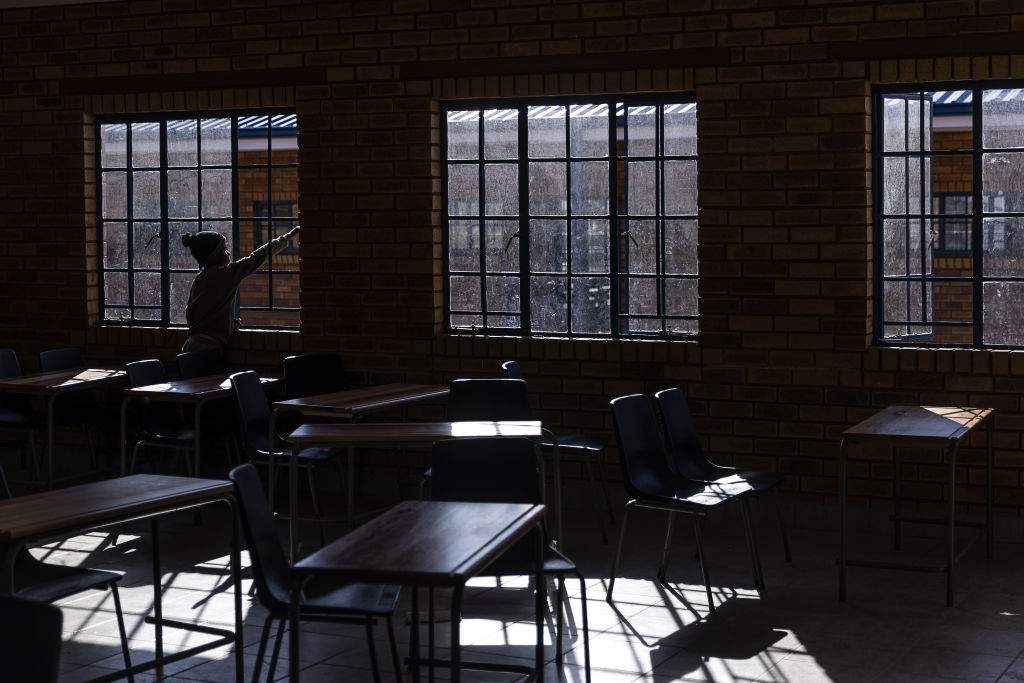
As of Sunday morning, over 1,500 schools in the Western Cape alone have been closed, with many in Cape Winelands—known for its mountainous terrain and vulnerability to weather extremes—facing immediate disruption. The closures are part of a broader response to the emergency, which has already affected hundreds of thousands of students and staff.

Why Is This Significant?

This is the first time a single weather event has been declared a national disaster in South Africa, highlighting the growing intensity of climate-related disasters. Historically, disaster declarations were limited to localized emergencies, but the unprecedented scale and impact of this storm have pushed authorities to act at the national level.

  • Over 1,500 schools closed in the Western Cape
  • Level 8 severe storm warnings issued in six provinces
  • First national disaster declaration for severe weather in South African history

Emergency officials warn that the situation could worsen, with more schools closing tomorrow as rain intensifies. The closures have disrupted academic calendars and raised concerns about the long-term impact on student learning and community stability.

What’s Next?

Residents in affected areas are urged to stay indoors and avoid travel. The government has activated emergency response teams and is coordinating with local authorities to ensure critical infrastructure remains operational. Schools are expected to resume operations on Monday, May 11, but only after a full safety assessment.

As the storm continues to bring heavy rainfall and wind, the National Disaster Management Agency (NDMA) has confirmed that the emergency response is ongoing. The situation underscores the urgent need for climate resilience planning as extreme weather events become more frequent and severe.