The Unseen Force: How Madhav Tiwari's IPL 2026 Impact Reshapes Cricket Strategy

Editor 27 May, 2026 ... min lectura

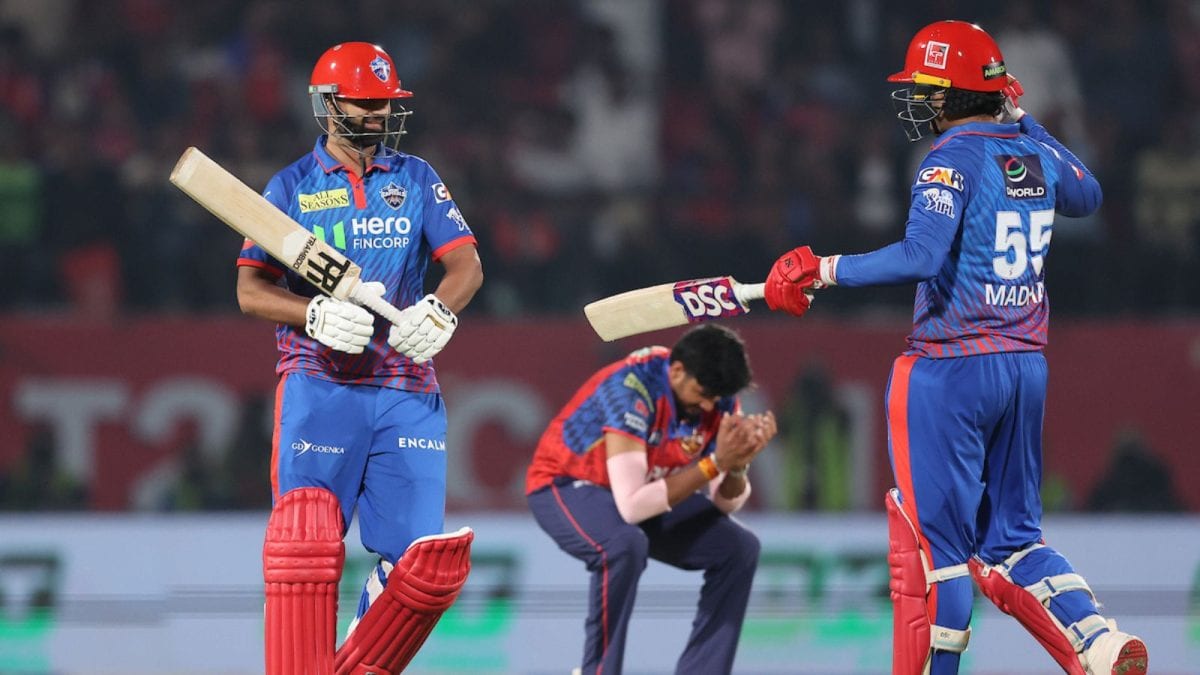
As the Indian Premier League (IPL) 2026 season unfolds, a new dynamic is emerging in the cricket landscape, driven by unexpected talent. Among the most notable performers is Madhav Tiwari, a fast-bowling all-rounder whose impact on the Delhi Capitals’ recent victory over Punjab Kings has sparked widespread discussion. This story isn't just about a single match—it’s a pivotal moment in cricket’s evolution toward more diverse and adaptive team strategies.

Madhav Tiwari, a 23-year-old left-arm fast bowler from Madhya Pradesh, has emerged as a key player for Delhi Capitals in the 2026 IPL season. His ability to trouble top-order batters like Priyansh Arya in the crucial match in Dharamsala highlights a critical shift in modern cricket: the growing importance of agile, high-impact performers who can adapt to evolving team needs. Unlike traditional specialists, Tiwari combines speed, tactical intelligence, and a knack for high-pressure situations, making him a model for future cricket development.

How Does a Player Without Domestic Experience Challenge Established Norms?

Tiwari’s journey is particularly noteworthy because he lacks significant domestic experience, a fact that often leads to skepticism in the competitive world of cricket. However, his performance in the IPL has proven that raw talent and strategic adaptability can overcome the barriers of limited early career exposure. This is especially relevant in a league where team selections are increasingly based on performance analytics and in-game adjustments rather than just past achievements.

  • Tiwari’s ability to bowl at high speeds (up to 145 km/h) with minimal fatigue
  • His tactical understanding of match dynamics, particularly in high-stakes games
  • His knack for capitalizing on opponent errors in critical moments

Crucially, Tiwari’s success isn’t isolated. It reflects a broader trend in cricket where teams are prioritizing versatile players who can contribute across multiple roles—batter, bowler, and strategist. This shift has been accelerated by the rise of data-driven decision-making, where players like Tiwari exemplify the value of unorthodox approaches.

Analysts like Dr. Arun Singh, a leading cricket researcher, emphasize that Tiwari’s impact demonstrates how modern cricket is moving beyond the traditional model of specialized players. His performance in the Dharamsala match, where he took key wickets in a tight contest, shows how even players with limited domestic experience can thrive in high-pressure environments.

The implications of Tiwari’s success extend beyond the IPL. As cricket leagues worldwide adopt more flexible team structures, players like him will become increasingly valuable. His story is a microcosm of the sport’s evolution toward inclusivity and innovation, where talent is measured not just by past achievements, but by adaptability and strategic intelligence.