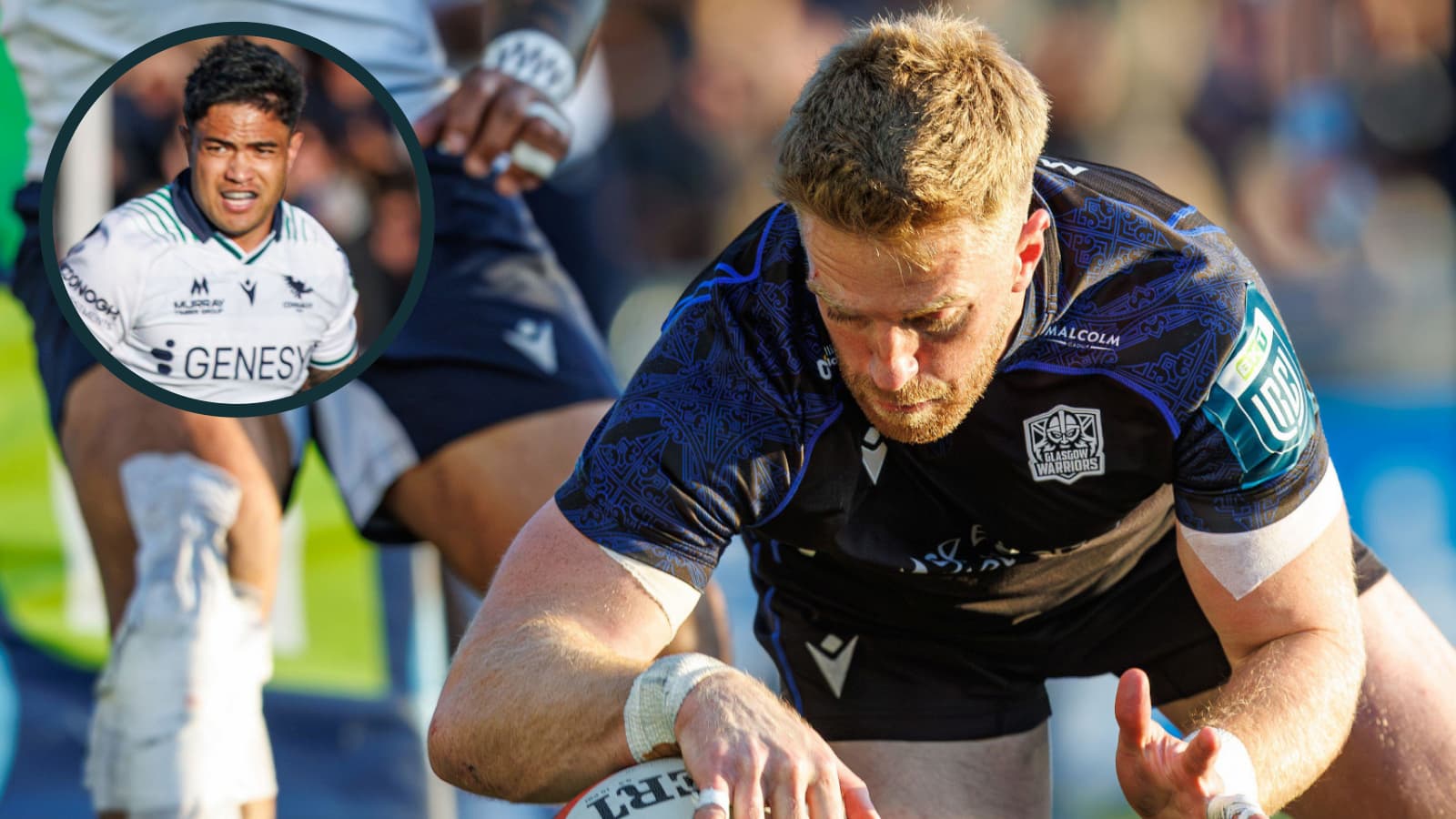
On May 29, 2026, Glasgow Warriors delivered a masterclass in tactical precision and individual brilliance, outclassing Connacht 28-14 in a United Rugby Championship (URC) quarter-final that set the stage for their semi-final clash. This victory marked a pivotal moment for the home side, cementing their place in the tournament's second phase with a commanding performance that highlighted the team's strategic depth and adaptability.
How did Glasgow Warriors secure their semi-final spot?
The Glasgow Warriors' victory was built on a foundation of calculated execution and dynamic team chemistry. From the opening whistle, they demonstrated a clear understanding of their opponents' weaknesses, capitalizing on tactical adjustments that saw them dominate the first half with a 14-0 lead. Kyle Steyn's first try—a critical moment that shifted the momentum—was the catalyst for this dominant performance, showcasing his ability to exploit gaps in the defensive line with precision and composure.
Key to their success was the seamless integration of multiple attacking phases, with players like James Schickerling and Jacob Oguntibeju contributing crucial scores that ensured Glasgow maintained control throughout the match. The team's ability to maintain a high-intensity pressure on the opposition's defense, especially in the second half, proved instrumental in securing their semi-final qualification.
- Steyn's two tries were pivotal in the first half, with each try demonstrating a different tactical approach—sometimes through quick ball circulation, other times through calculated breaks.
- The team's high-speed counters in the second half were a direct response to Connacht's defensive errors, showcasing tactical intelligence and adaptability.
- Despite Connacht's efforts to counterattack, Glasgow's consistency in maintaining possession and transitioning quickly to attack proved decisive.
While the win was significant for the Glasgow Warriors, it also highlighted the evolving nature of modern rugby, where individual brilliance and team cohesion are equally critical. The match served as a prime example of how effective preparation, strategic adjustments, and the ability to adapt to the flow of the game can lead to a successful outcome.
What does this victory mean for the future of the URC?
The Glasgow Warriors' success reflects a broader trend in the URC, where teams that prioritize quick transitions, high-intensity play, and individual excellence are gaining ground. With the tournament's semi-finals approaching, this victory underscores the importance of tactical flexibility and adaptability in a rapidly evolving rugby landscape.
As the competition moves toward its conclusion, the Glasgow Warriors' performance offers valuable insights into how teams can leverage their strengths and mitigate weaknesses to achieve success in a highly competitive environment.