Naomi Osaka's Bold Entrance at Roland-Garros: Fashion Meets Tennis

Editor 30 May, 2026 ... min lectura

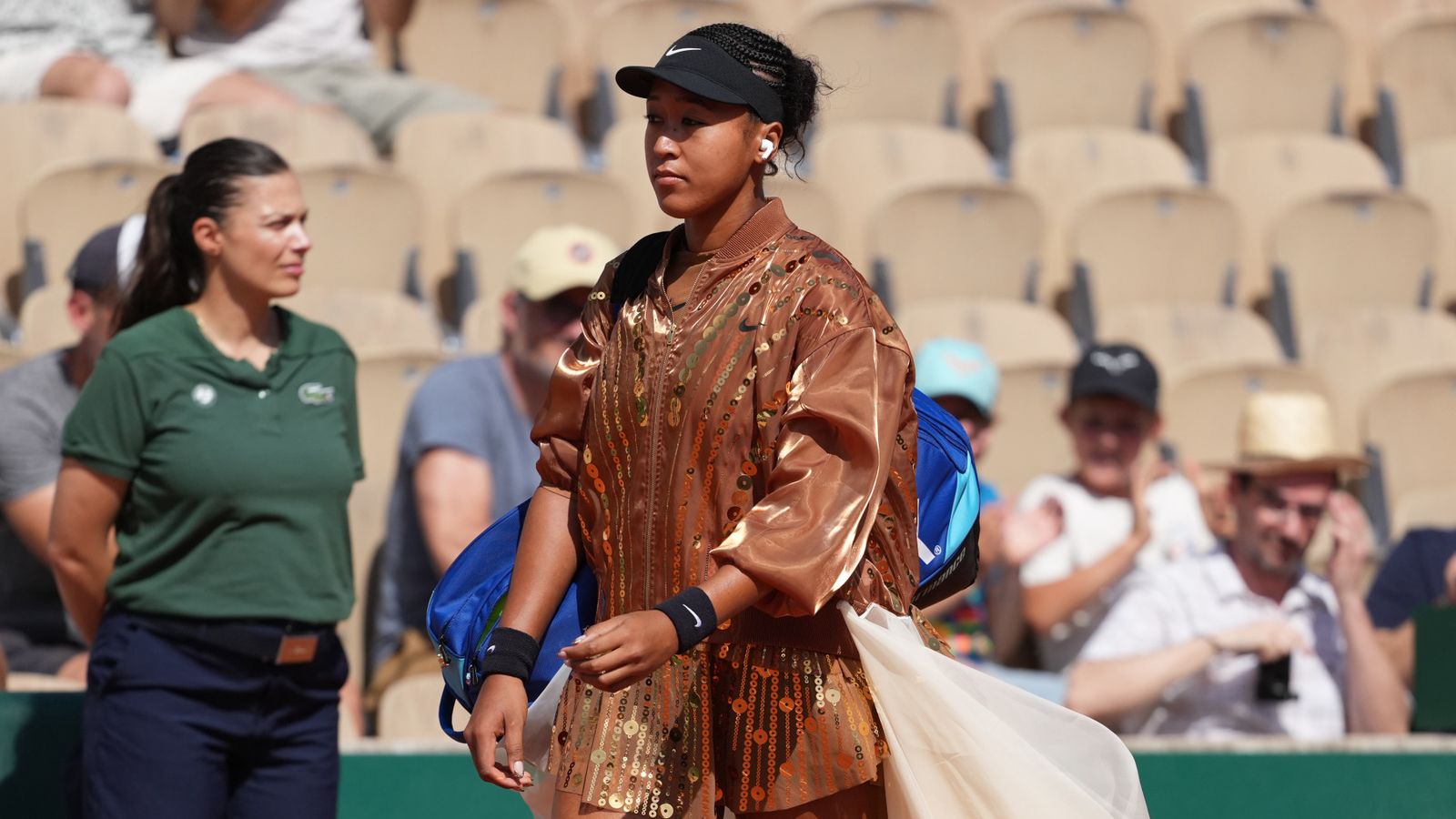
Naomi Osaka’s return to the French Open in 2026 marked a pivotal moment where tennis and fashion collided in unexpected ways. Her strategic choice of a sequined gold dress, reminiscent of the Eiffel Tower at night, sparked immediate comparisons to her previous arrivals. This wasn’t just a performance—it was a deliberate statement about identity, power, and the evolving relationship between athletes and the media.

Early in her career, Osaka faced criticism for her bold fashion choices, particularly after her first-round match against Laura Siegemund at the 2026 French Open. Siegemund’s remark that Osaka was 'not here for a fashion show' initially drew attention to the tension between athletic professionalism and personal expression. But Osaka’s response—her dramatic entrance in a shimmering gold outfit—redefined the narrative entirely. The dress, which many described as 'the Eiffel Tower at night,' became more than just an outfit; it was a visual metaphor for her journey as a global icon.

Osaka’s fashion choices have always been part of her identity. She has used her platform to challenge traditional gender norms, especially in a field where female athletes often face pressure to conform to societal expectations. Her decision to wear a sequined gown at Roland-Garros wasn’t accidental. It was a calculated move to assert her autonomy and creativity in a space where her influence extends beyond the court.

Why does this matter now?

As one of the most visible female athletes in history, Osaka’s style has become a cultural phenomenon. Her outfits reflect a broader shift in how athletes interact with the media and public perception. Unlike past generations, who were often confined to the 'athletic' aesthetic, modern athletes like Osaka leverage their style to express their individuality without compromising their professional identity.

  • Her sequined gold dress directly references the Eiffel Tower, symbolizing her connection to Paris and the French Open.
  • The dress challenges the 'womanosphere' narrative by refusing to be defined by external criticism.
  • Osaka’s approach highlights the growing role of athletes as cultural ambassadors, not just competitors.

While some critics argue that athletes should focus solely on performance, Osaka’s example shows that style and substance can coexist. Her ability to balance both has made her a role model for athletes worldwide, particularly those who feel pressured to conform to societal expectations.

The impact of this move extends beyond the court. It has sparked conversations about the role of athletes in shaping cultural trends and the importance of self-expression in sports. As Osaka continues to evolve, her fashion choices will likely influence future generations of athletes who seek to assert their identity through style.